Postural intake
Some teachers observe weight distribution, collar tilt, and hip hike before beginning. This does not replace imaging, but it informs drill choices and helps set realistic session goals.
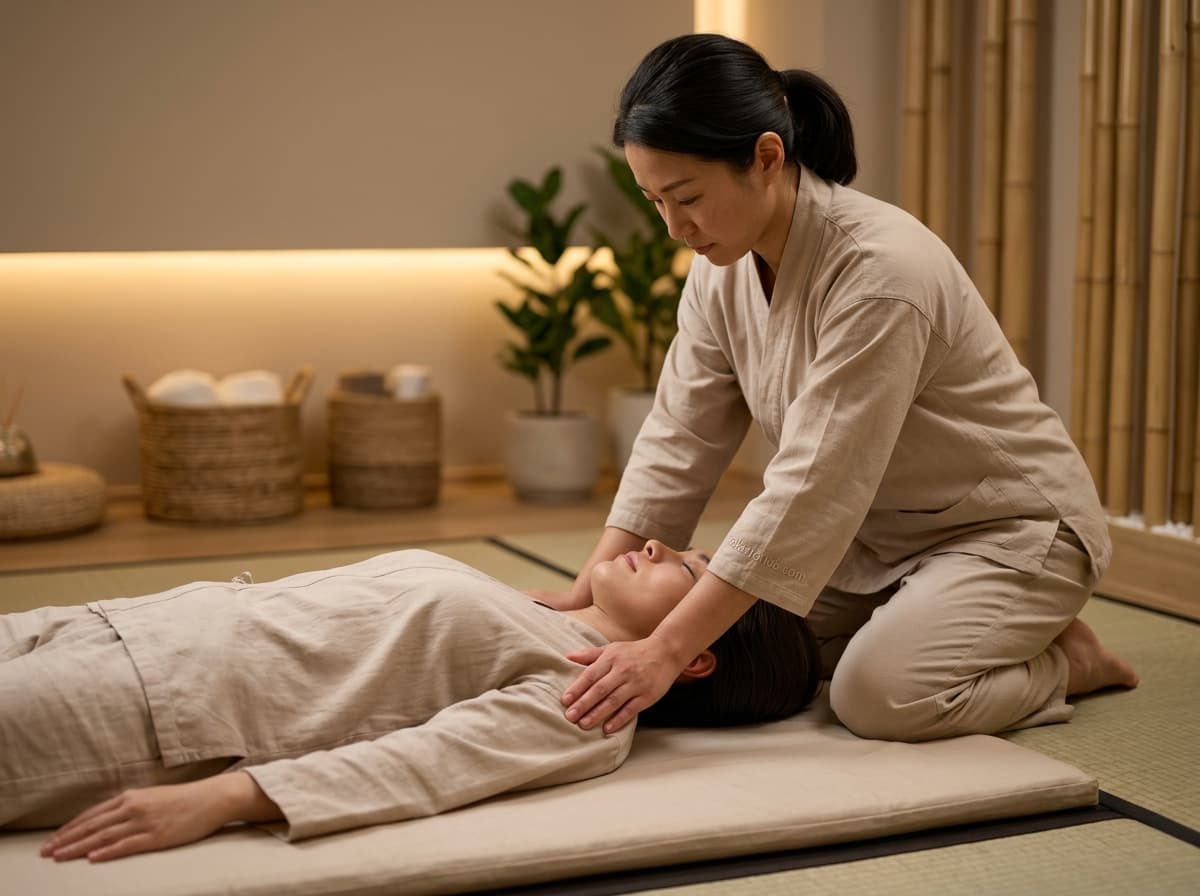
Yumeiho sits between disciplined Japanese bodywork and physiotherapy-informed practice: clothed floor sessions favour rhythmic presses, limb stretches, and cautious hip-spine mobilisations that support smoother gait — not metaphysical skeleton resets marketed as permanent pelvic cures.
Lineage clarity without fairy tales
Search traffic mixes Japanese corrective massage, pelvic tilt questions, martial arts recovery and Eastern European federation syllabi — yet the lived session is tactile and precise: thumbs map tension around the sacrum and glutes while the hips flex inside controlled arcs, guided by breath cues.
Developed from Masayuki Saionji's teachings, refined curricula emphasise symmetry through mobilisation rather than passive technique; honest practitioners narrate amplitude limits before hips reach the end of their comfortable range.
RelaxIOhub encourages comparing certifications, mat hygiene, the ratio of demonstration clips to supervised anatomy hours, and the therapist's willingness to defer clients with acute radicular pain, fresh fractures, inflammatory arthritis flares, or unstable cardiac rhythms.
Reality anchors
Hands-on literacy
Techniques borrow momentum physics rather than brute force novels.
Some teachers observe weight distribution, collar tilt, and hip hike before beginning. This does not replace imaging, but it informs drill choices and helps set realistic session goals.
Wave-like palm stacks travel along the erectors, lateral hips, and calves, synchronising with the client's inhale-exhale rhythm.
Femoral arcs rotate within a dialogue: labral histories, knee replacements, and pregnancy timelines all set the amplitude limits before the session begins.
Hamstring and sciatic sliders arrive slowly. The therapist anchors the shoulders so the client never twists unsupported.
Cupped palms tap rhythmically along the broad back where fascia welcomes resonance. Kidneys and floating ribs are always avoided.
Supine breathing resets and seated transitions with props nearby allow the nervous system to settle before standing.
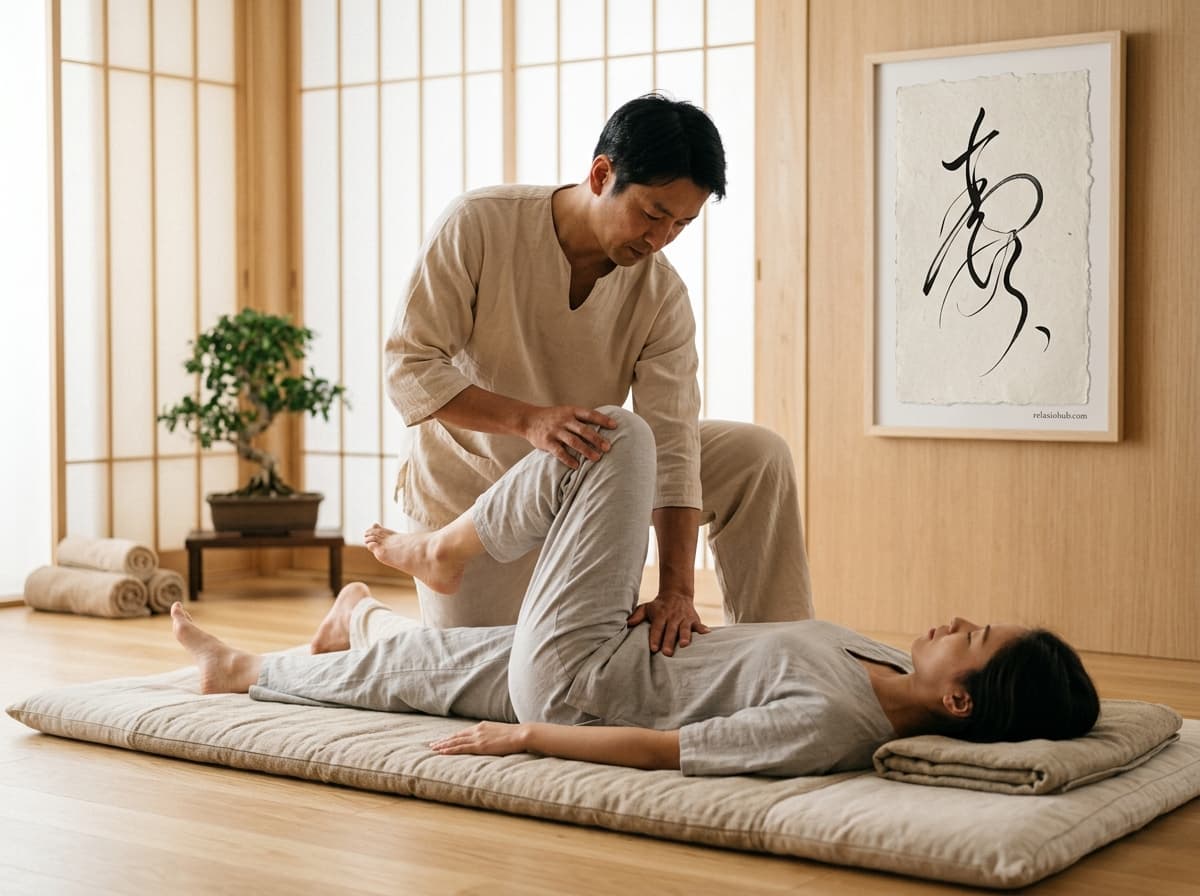
Why devotees schedule cycles
Clients cite lighter steps after desk weeks hips that cooperate when squatting groceries calmer ribs beneath keyboards subjective poetry still bows when scans shout pathology.
Repeated arcs build coordination between ankle, knee, hip, and spine — making smoother movement patterns more accessible outside the session.
Compression eases before pain becomes sharp, respecting the time fascia needs to yield without force.
Some therapists suggest small movement cues between visits, so the work extends beyond the mat into everyday walking.
Martial artists, dancers, and cyclists sometimes add Yumeiho between training cycles, when coaches have approved passive lengthening work.
Breath-bracketed stretches help distinguish familiar stiffness from a warning signal that needs clinical attention.
Releasing into a stretch on the exhale reduces protective tension and deepens the conversation between movement and sensation.
Timeline
Prior surgeries, osteoporosis, pregnancy, dizziness, blood thinners, clot history, and unstable joints all shape drill intensity. Honesty at intake avoids complications later.
Light compression through clothing lets the lumbar area soften before rotational work begins.
Pelvis, lumbar, and thoracic motifs rotate in sequence. Therapists swap sides to mirror the work symmetrically.
Breath is used as a timer. Knees do not bounce; ballistic momentum is never used in this method.
Slow transitions from kneeling to standing, water nearby, and clear guidance on when to contact a clinician if numbness appears.
Differentiate deliberately
Overlap happens stacking blindly hurts wallets.
Thai massage spans the entire skeleton with yogic folds. Yumeiho keeps a tighter focus on the pelvic belt. Ask whether your knees tolerate prolonged kneeling bridges before combining both.
High-velocity thrust techniques require a licence that a massage studio cannot replicate. Audible joint pops should not be offered outside a clinical scope.
Swedish glides work skin and superficial tissue. Yumeiho foregrounds clothed traction and joint sequencing. Booking both in the same afternoon is possible, but drink water and allow recovery time between.
Acute disc extrusion nerve compromise suspicion unstable fractures rheumatoid flare septic joints hypermobility Ehlers-Danlos without specialist choreography severe osteoporosis pregnancy lacking obstetric clearance hemophilia grades fresh surgical mesh abdominal repairs uncontrolled hypertension dizzy spells pacemaker interrogations incompatible with floor grappling collectively pause every protocol—massage cannot forge surgeon signatures.
FAQ
Gravity, footwear, training load, and daily stress all shift posture continuously. Ethical therapists offer mobility rehearsal — not a single-session skeletal reset.
Stretch tension can feel strong. Sharp or tearing pain is not normal — speak up, breathe, and ask the therapist to reduce amplitude. Enduring pain is never part of the protocol.
Some instructors adapt sessions carefully; others decline entirely. A written clearance from your obstetrician matters more than a studio's welcoming atmosphere.
The Saionji lineage spread through federation seminars and diligent curriculum translators. Local schools localised the pedagogy. Authenticity lives in syllabus transparency and supervised practice hours, not geography alone.
You can compare lineage certificates, mat hygiene standards, crisis-escalation policies, and studio honesty when photos contradict pelvic-miracle marketing claims.
Most clients notice gait changes after the first or second visit. A stable shift typically develops over four to six sessions — provided daily sitting habits and footwear choices change alongside the bodywork.
Both are floor-based and clothed. Thai massage covers the full skeleton through yogic folds. Yumeiho focuses on the pelvic-lumbar belt with rhythmic hip rotations; the amplitude is smaller but the joint dialogue is more precise.
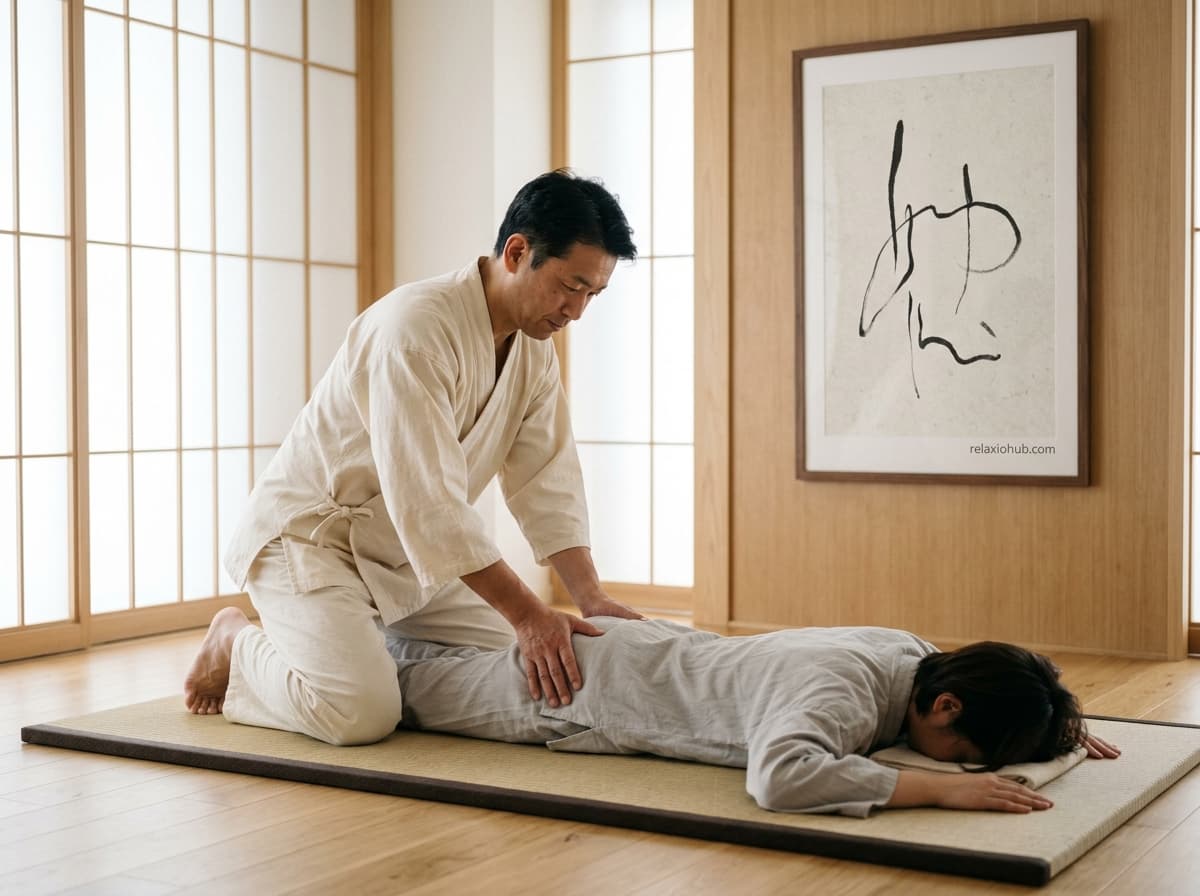
Joint stacking honesty beats influencer flexibility bait—hands prove lineage faster than hashtags.
Filter for federation transparency, honest emergency escalation policies, clean floor standards, and the humility to defer when scans contradict pelvic folklore.