Tui - pushing pressure
The therapist travels along a muscle line with steady forward pressure, often using the thumb, palm, or forearm to open a path before deeper work.
Chinese push-and-grasp bodywork for people who want precise pressure, rolling contact, and a more active reset than classic relaxation massage.
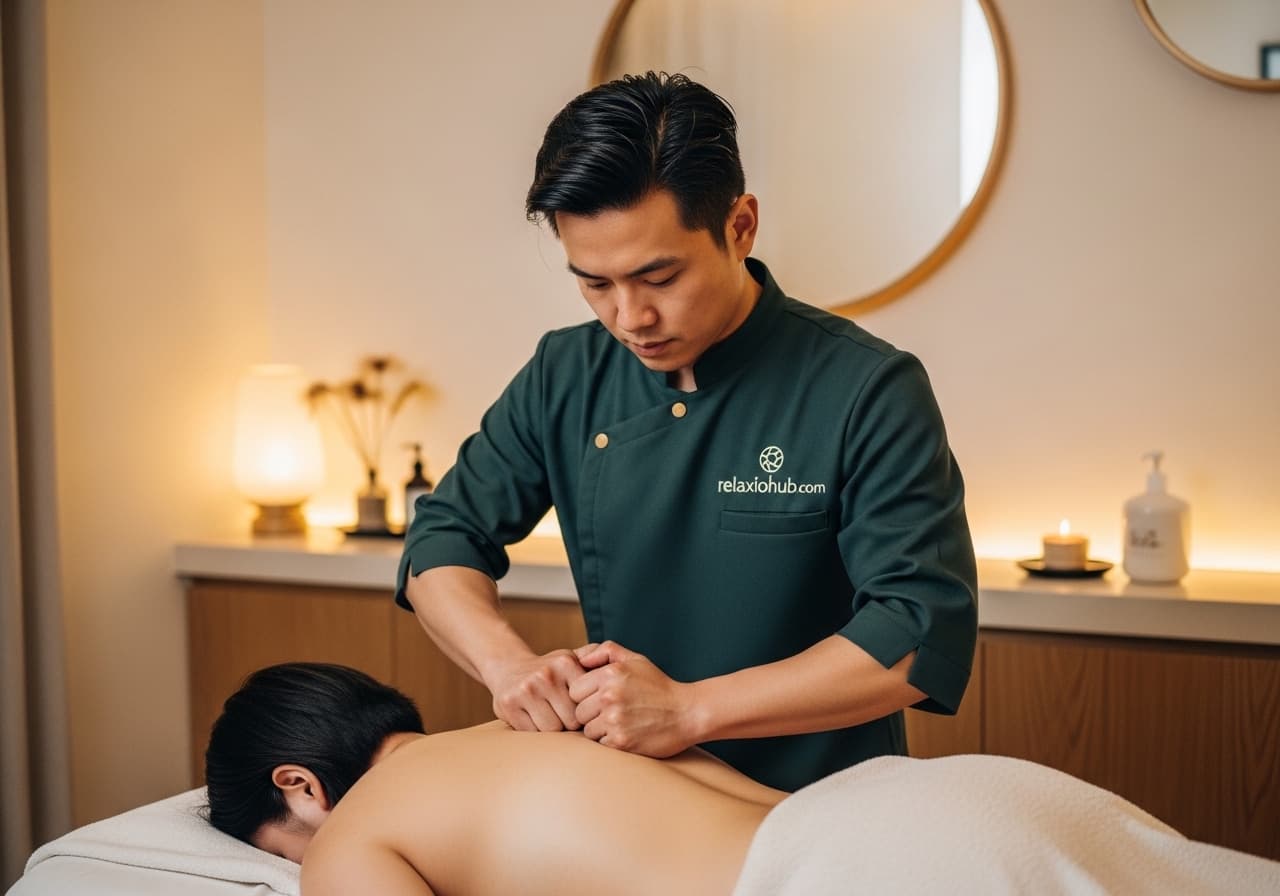
Massage overview
Tuina massage, often written Tui Na, comes from the Chinese words for pushing and grasping. In a modern wellness studio it usually feels more structured than a classic oil massage: the therapist alternates rolling, kneading, pressing, rubbing, shaking, and short grasping actions instead of staying with one smooth glide from start to finish.
The method grew from older Chinese anmo bodywork. Classical Chinese medical texts such as the Huangdi Neijing describe massage-like methods, while the specific name Tuina became prominent later, especially through Ming-era manuals and pediatric bodywork traditions. Today studios borrow the practical hand vocabulary without asking clients to believe in every historical theory behind it.
People search for Tuina when they want to understand whether it is relaxing, therapeutic, painful, or similar to shiatsu. The clearest answer is this: Tuina is usually targeted and rhythmical, sometimes brisk, and often used for neck, shoulder, back, hip, or limb tension. It should not be sold as a cure; acute pain, numbness, fever, fresh injury, pregnancy risks, or complex medical conditions need clinician advice first.
At a glance
Technique
Names vary by training line, but clients usually notice a recognizable sequence: warm the tissue, find the dense area, work it with changing hand shapes, then calm the response.
The therapist travels along a muscle line with steady forward pressure, often using the thumb, palm, or forearm to open a path before deeper work.
Soft tissue is gently held, lifted, or squeezed in short pulses. It can feel intense on shoulders and calves, so feedback matters.
A rolling hand action spreads warmth across broad areas without the slippery glide of Swedish massage.
Stationary pressure blends with small circular kneading to soften stubborn zones near the neck, back, hips, or limbs.
Some sessions include gentle mobilization, shaking, or range-of-motion work. It should feel guided, never forced or cracking-driven.
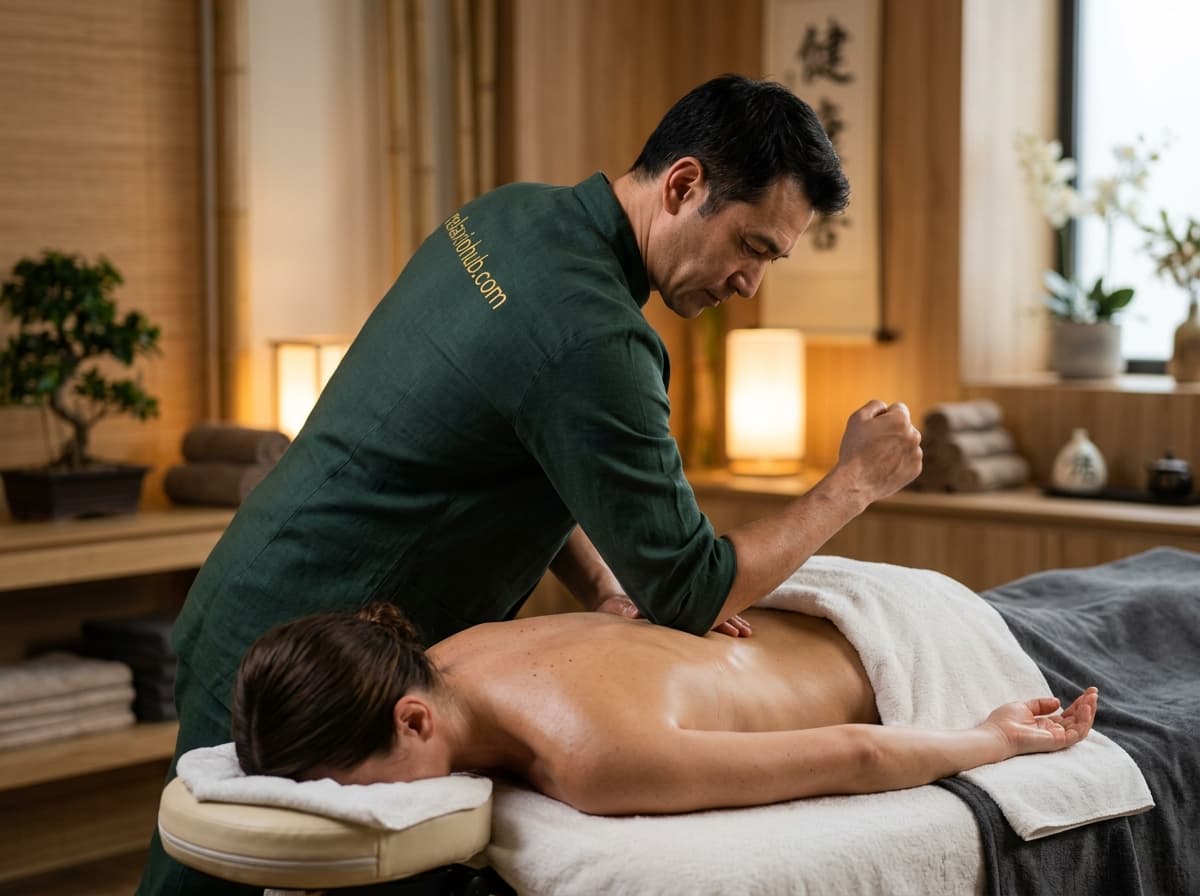
Effect
The value is practical: a session should help you understand how your body responds to targeted pressure, not promise medical miracles.
Push-and-grasp work can focus on small areas that feel missed by broad relaxation strokes.
Rolling and kneading patterns encourage a sense of circulation and softening after long static posture.
When pressure and gentle mobilization are well paced, neck, shoulder, or hip movement may feel less guarded.
The changing rhythm makes it easier to notice where you tense up and when pressure becomes too much.
Good Tuina depends on check-ins, especially around joints, spine-adjacent areas, and tender muscle bands.
Compared with slow spa massage, Tuina often leaves people feeling alert, lighter, and physically reorganized.
Process
You describe the main complaint, sensitive areas, medical cautions, and whether you prefer clothed, draped, or oil-light work.
The therapist prepares the back, neck, shoulders, or limbs so deeper grasping does not land on cold tissue.
Dense zones receive alternating pushing, pressing, kneading, and grasping while the therapist watches your breathing and muscle response.
Lighter contact, shaking, or calm palm pressure helps the body settle so the session does not end on a sharp stimulus.
Choose wisely
Search results often group Eastern techniques together. The differences matter when you are choosing the right profile.
Shiatsu usually feels slower and more pause-based, with thumb or palm pressure held through clothing. Tuina tends to use more rolling, grasping, and varied hand actions.
Thai massage is often mat-based and stretch-forward. Tuina may include movement, but the center is manual pressure and tissue work rather than partnered yoga shapes.
Acupressure can focus on sustained point pressure. Tuina is broader: points may appear, but so do pushing, kneading, rolling, and grasping sequences.
Tuina can be firm. Be conservative when symptoms are new, sharp, systemic, or medically unexplained.
FAQ
Tuina is Chinese push-and-grasp bodywork using rolling, pressing, kneading, rubbing, and grasping techniques. In wellness studios it is best understood as targeted manual therapy, not a guaranteed cure.
It can feel firm and intense, especially on shoulders, calves, or dense back tissue. It should not feel sharp, electric, or bruising; ask the therapist to reduce pressure immediately.
Often yes, because many Tuina techniques work through fabric with little or no oil. Some studios adapt it to a draped table session, so confirm the setup before arrival.
Shiatsu is usually slower and more pause-based. Tuina uses a wider hand vocabulary, including pushing, grasping, rolling, and kneading in a more changeable rhythm.
Many people book it for back, neck, and shoulder tension because the work is targeted. If pain is acute, radiating, or linked to injury, get medical guidance first.
A focused session can be 45 minutes, while full back-limb work often needs 60-75 minutes. Very short sessions may miss the warm-up that makes firm pressure safer.
No. Tuina has roots in traditional Chinese medicine, but a wellness booking does not replace diagnosis, physiotherapy, or physician care for medical conditions.
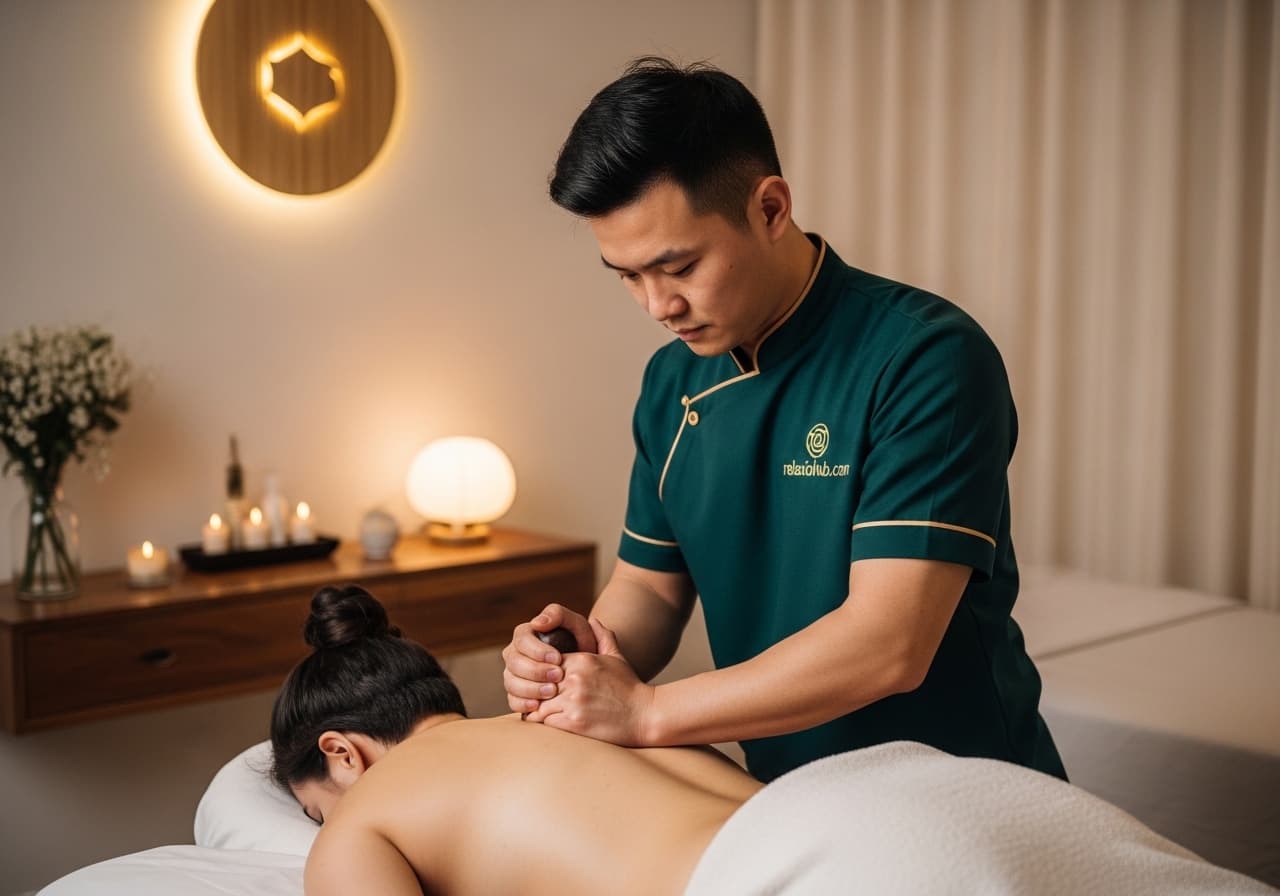
The best Tuina sessions feel firm and negotiated: pressure eases when breathing tightens or tissue has already answered.
Therapists
Practitioners across Ukraine who provide this massage type. Choose a specialist and view their profile.
Choose your city on the home page and look for profiles that mention Tuina, Chinese massage, push-grasp techniques, or Eastern bodywork.