Assessment of posture and gait
The practitioner watches how you stand, breathe, shift weight onto the feet, and turn the torso — without shame or theatrical diagnosis.
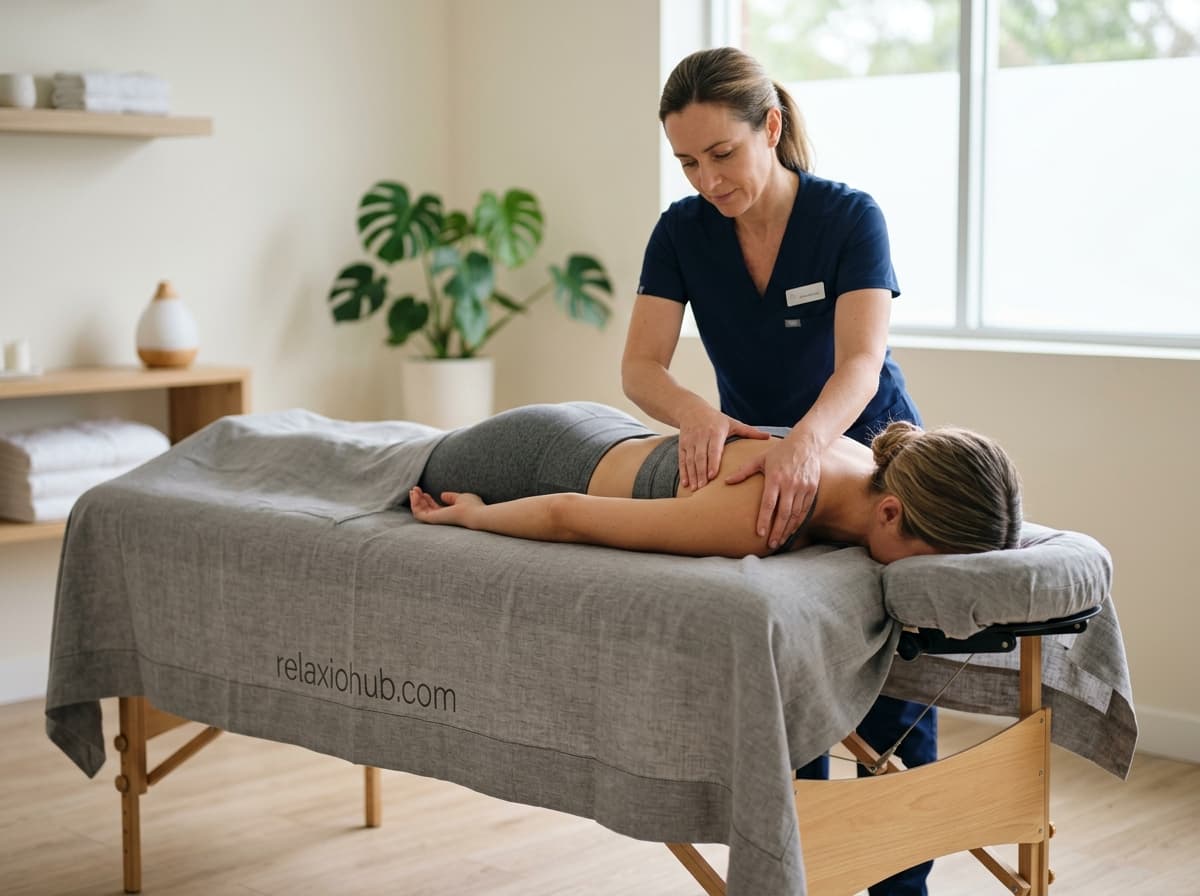
Rolfing works with fascia, posture, and how the body holds itself in gravity. This is not simply “deep massage”: the practitioner slowly opens lines of pull, asks you to move and breathe, so tissues and coordination begin to work as one system.
Structural integration
Rolfing, or Rolfing Structural Integration, formed around the work of Dr. Ida P. Rolf — a biochemist who sought a way to influence not only a single painful muscle, but the organization of the whole body. At the center of the method is fascia: the connective-tissue network that envelops muscles, bones, nerves, and organs and helps different body parts glide relative to one another. When this network is overloaded by habitual postures, injuries, or repetitive movements, a person may feel “compressed,” skewed, or less mobile.
Ida Rolf described the work as Structural Integration: the body should not merely relax on the table, but organize itself better in the field of gravity. So a session often combines slow deep contact with a request to make a small movement, change the breath, or notice the support of the feet. A Rolfer does not “adjust bones” and does not make a diagnosis; they work with soft tissues and movement patterns so the body seeks a more economical vertical.
The name Rolfing is a trademark of the Rolf Institute of Structural Integration (RISI) — the organization Ida Rolf founded for training and certifying practitioners; when choosing a practitioner it is worth asking for confirmation of training at RISI or a similar institution. This is intensive bodywork practice, not a medical guarantee: it may give a sense of space in the chest, easier walking, or better body awareness, but acute pain, neurological symptoms, and injuries first need a doctor.
At a glance
How it works
A session may look restrained, but inside there are many precise decisions about pull, support, and movement.
The practitioner watches how you stand, breathe, shift weight onto the feet, and turn the torso — without shame or theatrical diagnosis.
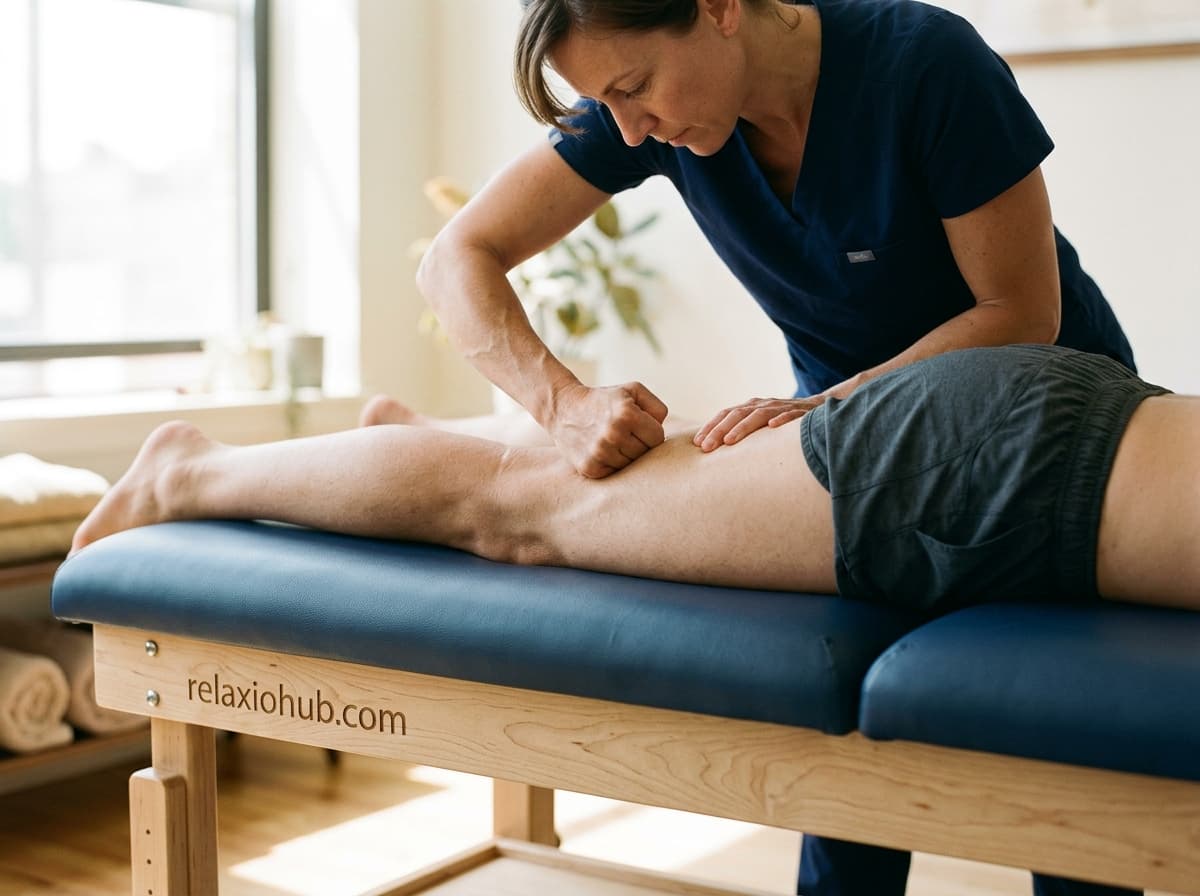
Palm, fingers, knuckles, or forearm slowly enter the tissue and wait until the layer begins to change its glide.
You may be asked to lift a foot, turn the head, or exhale — so the tissue learns not only to “let go,” but also to move differently.
Releasing the sides, diaphragm, and rib cage can feel like more room for inhale without forceful pressing.
After the table the practitioner checks how changes show in support, gait, head carriage, and the sense of vertical.
Expected effect
We speak about the experience of movement and posture, not a promise to cure a diagnosis.
After work along fascial lines, a step, torso turn, or arm raise may feel less “glued.”
A person does not merely hear “straighten up,” but feels where the body holds extra effort.
Rolfing often begins changing the vertical from how the feet take weight and pass it into the pelvis.
When the ribs and diaphragmatic zone compress less, inhale often feels wider and calmer.
Shoulders, pelvis, neck, and legs stop being separate complaints — the practitioner looks for the links between them.
Depth must be negotiated; bruising, fear, or sharp pain do not make a session deeper.
Scenario
The Rolfer needs to know about surgeries, hernias with neurological symptoms, osteoporosis, pregnancy, inflammation, and acute pain.
You may walk, sit, raise an arm, or bend so the practitioner sees the pattern, not one “pain point.”
Contact is slow and often deep; intensity is adjusted with words, breath, and movement.
After the session it matters to notice how support, step, head turn, or the sense of space in the chest has changed.
Comparison
Similar words about fascia do not mean the same experience.
Rolfing best matches this request, especially if the practitioner explains the series and movement integration.
Myofascial massage may be a simpler choice if a full structural series is not needed.
Classic or Californian massage is closer to that expectation.
Deep fascial work needs caution in conditions where tissues or the nervous system are not ready for an intense stimulus.
FAQ
Massage more often focuses on relaxing muscles. Rolfing works with fascia, posture, movement, and how the body organizes itself in gravity.
The method is linked to Dr. Ida P. Rolf, a biochemist who developed Structural Integration and founded an institute to train practitioners.
It is a classic series of ten sessions: the first work with surface layers, the middle with deeper support, the final ones integrate movement.
It can be intense, but pain should not make you hold your breath or endure fear. A good practitioner adjusts depth.
Look for a training description, mention of Structural Integration, clear method boundaries, contraindication screening, and an explanation of how the series actually runs.
The Rolf Institute of Structural Integration (RISI) is the training organization Ida Rolf founded in the USA. Certified Rolfers complete a structured program and take exams. When choosing a practitioner it is worth asking for confirmation of training — that is what distinguishes Structural Integration from general “fascia work.”
Sessions 1–3 open the surface fascial layers and breathing; sessions 4–7 — deeper support structures (pelvis, spine, shoulder girdle); sessions 8–10 integrate changes into gait, posture, and coordination. The exact route depends on the practitioner and the client’s request.
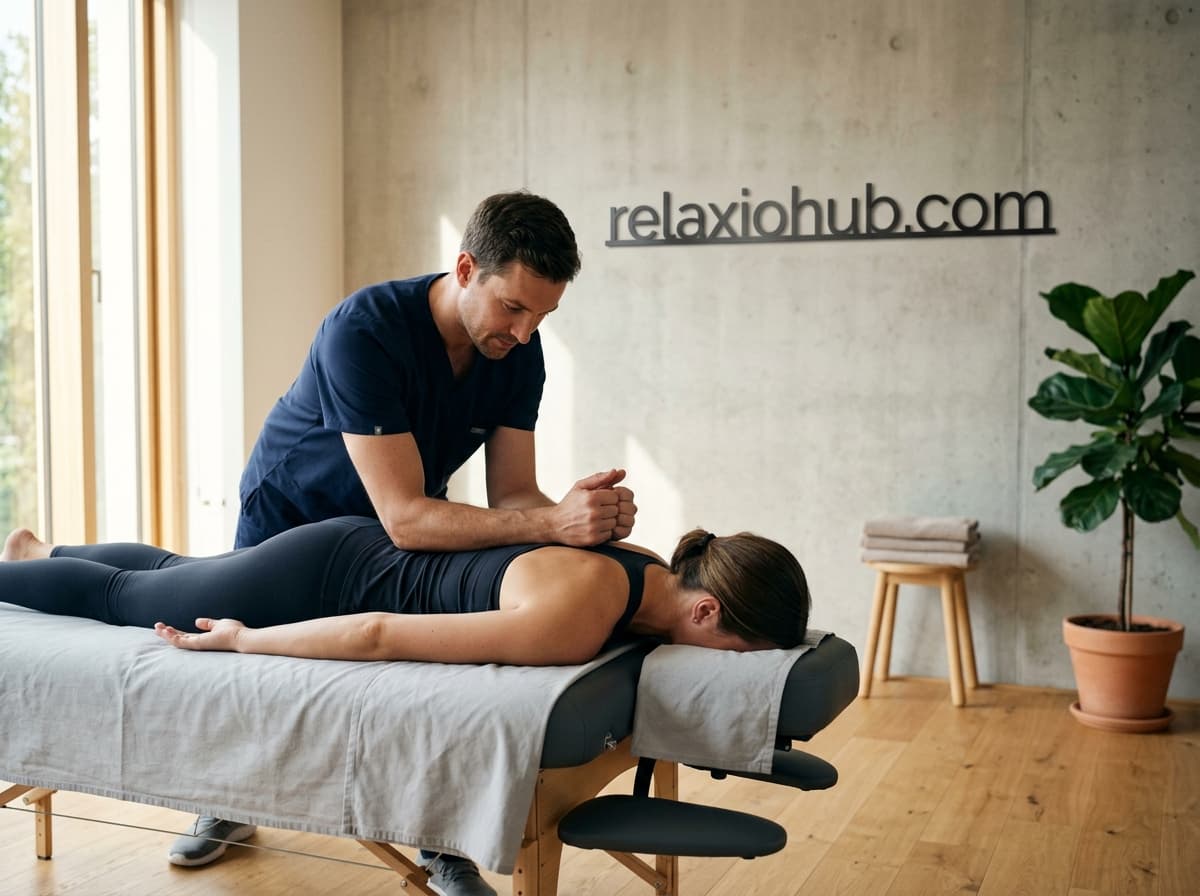
Slow contact gives tissues time to respond: in Rolfing what matters is not deeper pressure, but the direction of the body’s organization.
Compare profiles with a description of Structural Integration, fascia work experience, Ten-Series, safety screening, and realistic expectations without medical guarantees.