Placing the fabric
The practitioner positions the rebozo under the pelvis, shoulders, back, head, or legs so body weight is distributed broadly.
Rebozo massage uses a long woven shawl as a soft bodywork tool: the practitioner supports the body with fabric, rocks it, wraps it, creates light compression, and helps the client feel gentle unloading without harsh pressure.
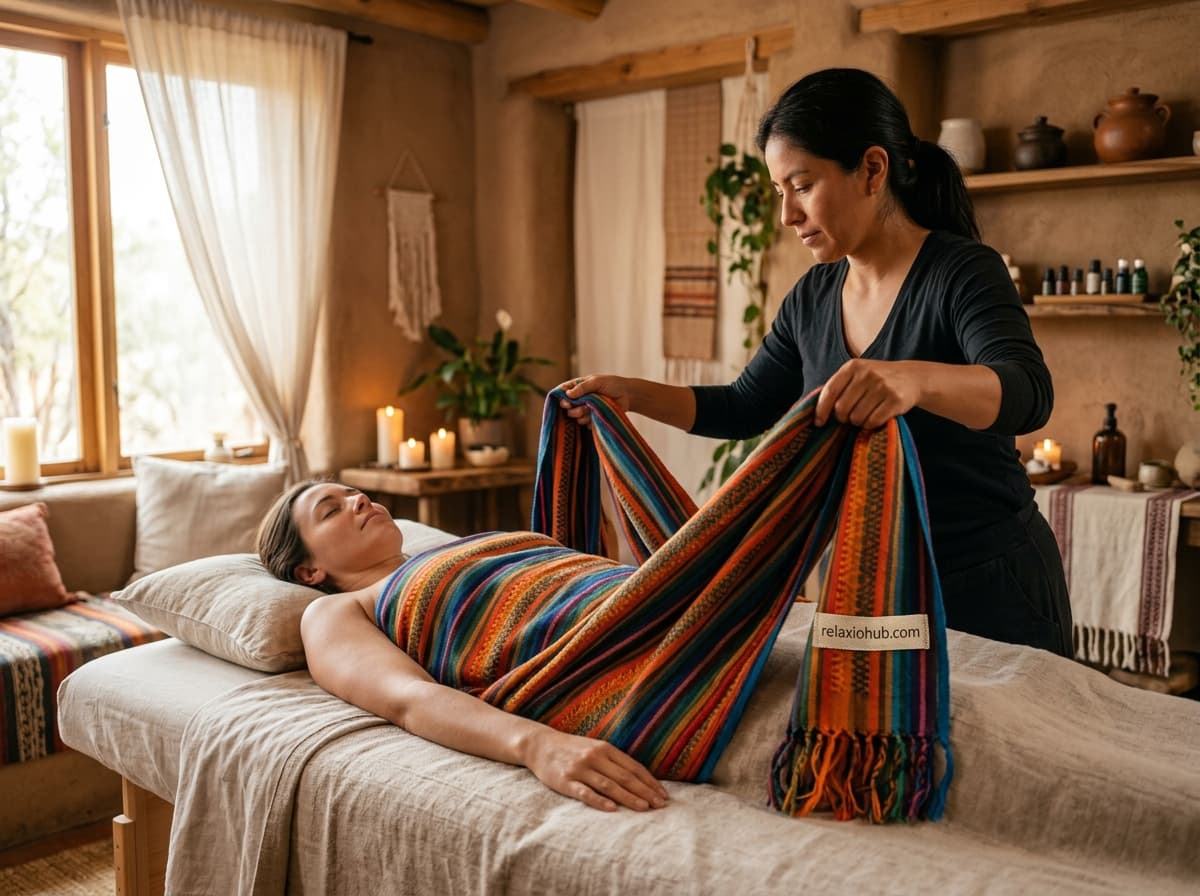
Fabric, motion, and settling
Rebozo massage is a bodywork practice using a long Mexican shawl called a rebozo. The practitioner does not work only by kneading muscles with the hands: fabric is placed under the shoulders, pelvis, belly, legs, or head, then a body area is lifted by a few centimeters, softly rocked, supported, and sometimes gently wrapped. For the client, it often feels closer to rhythmic cradling than to strong classic massage.
The history of rebozo is tied to Mexico: the shawl was part of daily clothing, a way to carry babies, protect from sun, keep warm, and express cultural identity. In traditional midwifery, Mexican parteras used the rebozo to support pregnant women, gently rock the pelvis, relax the belly, and perform postpartum closing rituals. The modern spa format borrows these principles carefully: fabric becomes a tool of support, not a promise to 'fix' the body.
Rebozo is practiced most widely in Mexico, Guatemala, the United States, Canada, Spain, the Netherlands, Germany, Poland, Czechia, Ukraine, the United Kingdom, France, and among doula, prenatal/postnatal, and bodywork communities in Europe and Latin America. People search for “rebozo massage,” “rebozo closing ritual,” “Mexican postpartum massage,” and “rebozo pelvic rocking,” so a useful page should explain both cultural roots and modern boundaries without exoticizing the practice.
At a glance
Rebozo shawl method
Rebozo requires very attentive force: fabric can support the body, but it should not pull joints, restrict breathing, or make the client feel trapped.
The practitioner positions the rebozo under the pelvis, shoulders, back, head, or legs so body weight is distributed broadly.
The fabric is moved in short rhythmic waves, creating a cradling feeling and relaxation without direct finger pressure.
The shawl may hold the shoulders, pelvis, or whole body, giving a sense of boundaries, warmth, and support.
Brief fabric compression is done slowly and only to a comfortable level, without restricting the chest or belly.
Rocking the pelvis or lower back can help the client feel softer motion in areas that often hold tension.
After rocking, the body gets a few seconds of stillness so the nervous system can register the change.
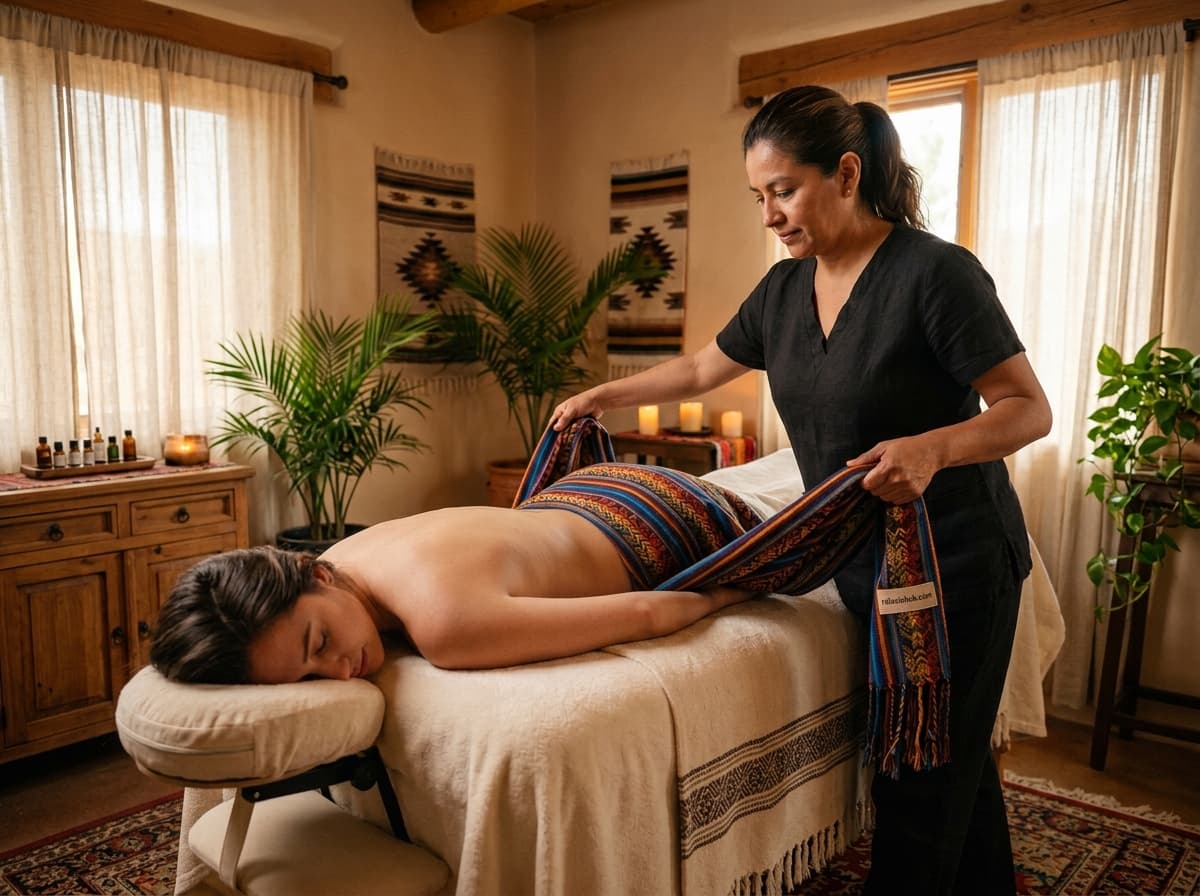
Expected effect
The effect depends on the practitioner, pace, safe positioning, and the client's comfort with wrapping. This is supportive wellness bodywork, not medical treatment.
Repeated fabric waves may create a cradling sensation that helps the body move into a slower rhythm.
Rebozo suits people who want contact and unloading but do not enjoy strong muscle compression.
In postpartum and women's rituals, fabric can create a sense of being held, warmed, and cared for.
If breathing narrows or the client tenses, the practitioner reduces compression or stops the movement.
Wrapping and compression should happen only after explanation, with the option to stop the technique at any moment.
Receiving Rebozo firsthand helps doulas, midwives, and prenatal therapists understand fabric placement, pelvic rocking sequence, and closing ritual consent from the client's perspective.
Timeline
The practitioner asks whether wrapping is comfortable, and checks for claustrophobia, pregnancy, postpartum status, injuries, pain, or vascular limits.
The rebozo is placed under one area and a very soft short rocking sequence tests how the body responds.
The practitioner may move to shoulders, pelvis, back, legs, or head without mixing too many techniques at once.
If the client agrees, a short shoulder, pelvic, or full-body wrap is added with slow settling.
After the fabric work, the body rests, breathing steadies, and the client reconnects with support before standing.
Comparison
These are different forms of body contact, and Rebozo is chosen less for pressure depth and more for the feeling of support.
Rebozo fits when you want soft shawl-based support rather than deep muscle kneading.
Lymphatic drainage is a better choice when the main request is very light manual work along lymphatic directions.
Classic massage is more direct if you want the practitioner's hands, oil, and work with specific muscles.
Because this format uses wrapping, rocking, and compression, breathing, vascular health, injuries, and psychological comfort matter as much as muscles.
FAQ
It is massage and bodywork with a long Mexican rebozo shawl: the fabric supports the body, gently rocks it, wraps it, and creates light compression.
Rebozo comes from Mexican culture: it is a traditional shawl used in daily life, baby carrying, women's practices, and partera midwifery work.
It is most often practiced in Mexico, Guatemala, the United States, Canada, Spain, the Netherlands, Germany, Poland, Czechia, Ukraine, the United Kingdom, and France.
People usually expect a feeling of support, settling, gentle unloading, clearer body contact, and more defined boundaries after wrapping.
No. Postpartum rituals made Rebozo well known, but soft rocking and fabric support can also be used in a general wellness session.
Not with a skilled practitioner. Wrapping is always explained before it starts, and the client can stop or adjust compression at any moment. Anyone with claustrophobia concerns should mention this at the start of the session.
Look for profiles that describe Rebozo experience, fabric work, consent around wrapping, contraindications, postpartum limits, and a gentle first-session pace.
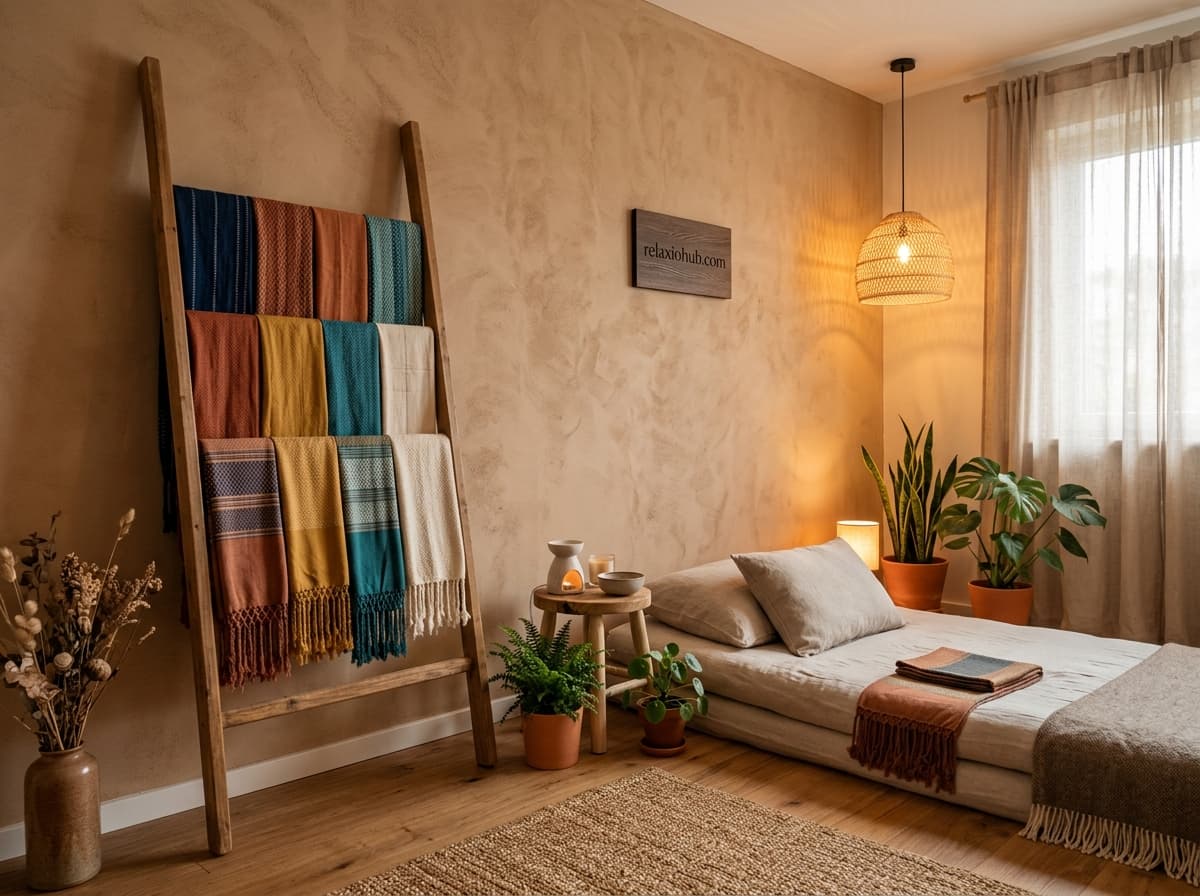
In Rebozo, fabric creates a sense of boundaries and support; the client keeps the right to stop or change compression.
Compare profiles that describe rebozo techniques, fabric-work experience, postpartum limitations, expected effects, contraindications, and gentle formats for a first session.