RelaxIOhub
Sequential compression you can dial to comfortOften paired after manual lymph drainageZero-oil modality that suits post-flight heavinessDistal-to-proximal wave: from ankle to upper thigh

Pressotherapy

Pressotherapy is pneumatic bodywork built from inflatable chambers that swell in orderly waves against legs, abdomen, or arms — a calm, rhythmic squeeze-and-release aimed at coaxing stagnant fluid toward central circulation and leaving limbs feeling lighter — not scraping fascia or kneading knots the way palms do.

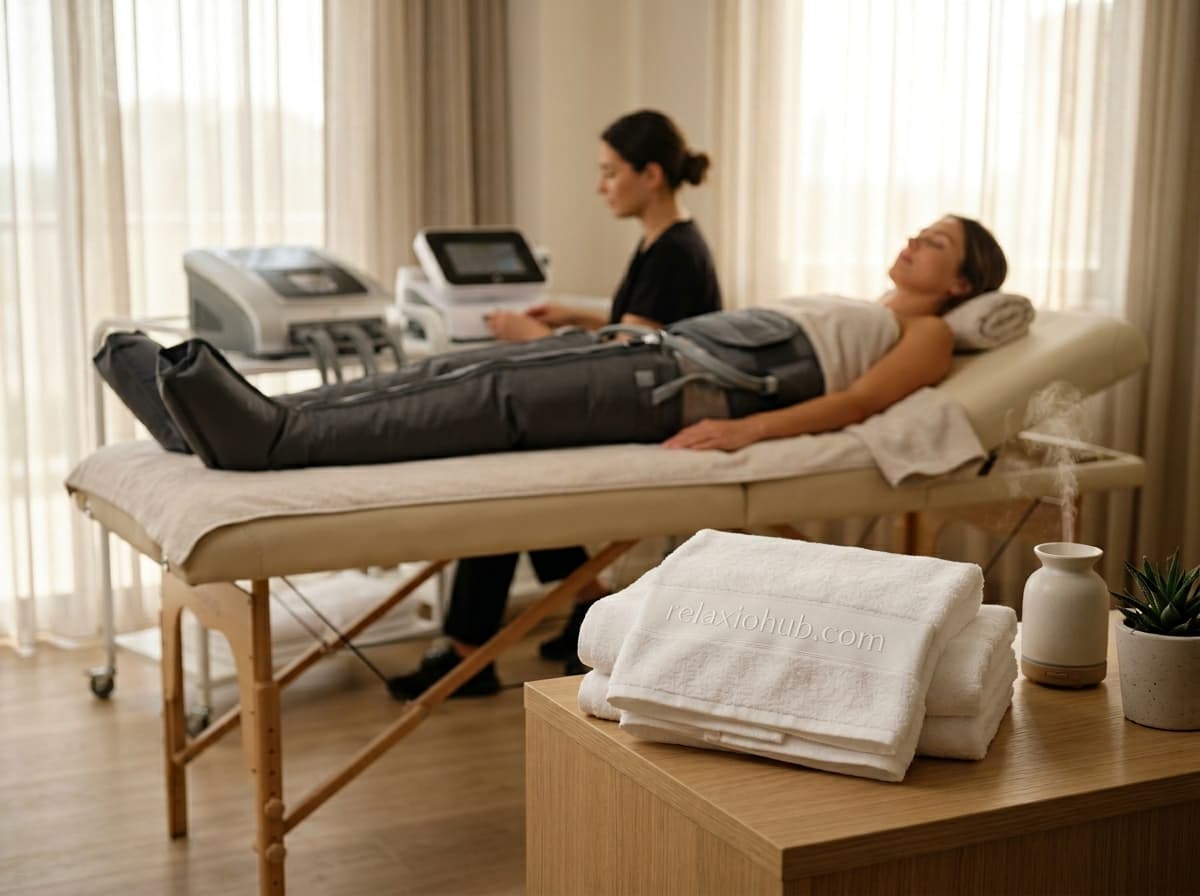
Client relaxing while compression therapy sleeves gently inflate around the legs

Air-driven waves on the skin

What pressotherapy is in a modern massage-and-wellness studio

Searchers land here looking for pressotherapy, compression boots, lymphatic pressotherapy, pneumatic massage, post-flight leg treatment, sports recovery sleeves, or aesthetic body contouring add-ons. The hardware is medical-adjacent but in boutique settings it is positioned as comfort-first circulatory support when contraindications are respected.

A typical experience feels like a firm hug that travels: chambers nearest the foot or wrist inflate first, then pressure marches upward in calculated steps so tissue is nudged instead of choked. Heat wraps, aromatherapy, or LED panels sometimes frame the table, yet the core sensation is cool-to-warm air pressure with a metronome cadence you can usually adjust within a safe band.

Pressotherapy is adjunctive care, not a substitute for vascular medicine, oncology lymph protocols, or prescription compression garments issued for diagnosed lymphedema. Responsible studios publish machine brand specifications, liner hygiene protocols, and clear referral criteria — distinguishing aesthetic programs from clinician-coordinated edema management.
At a glance

Facts people validate before slipping into cuffs

Timing
Single-table sessions commonly run 30–45 focused minutes excluding outfit changes; bundles may shorten each pass but repeat weekly.
Sensation compass
You should feel deep pressure envelopes, gradual release, maybe warmth returning — never numb toes, icy pins, crushing pain below the knees, or claustrophobia that steals your breath.
Pairing etiquette
Many studios manual-drain proximal zones first, then let machines finish distal flushing; reversing order matters when chronic edema is on the intake form.
Clothing hygiene
Disposable tights, fresh socks, sanitized boot liners, or personal leggings keep shared cuffs skin-safe — reputable studios spell this out plainly.

Behind the hiss of valves

How practitioners structure a pneumatic sequence

Sequence matters more than the LED colour strip on the tower: direction, dwell time, and pauses imitate what careful hands teach about drainage pathways.

Sizing, consent, vitals-lite screen

Cuffs are fitted so overlap is snug but arterial flow stays traceable via capillary refill checks; questionnaires flag pregnancy trimesters, DVT histories, implanted devices, neuropathy without protective sensation.

Prep for skin and lymph gates

Gentle skin brushing or manual pump at collarbones/abdomen sometimes opens the freeway before cuffs push fluid — protocol varies per training lineage.

Distal-first inflation choreography

Distal chambers engage first — pressure propagates proximally in calibrated pulses, emulating the rhythm of lymphangion peristalsis (40–70 contractions per minute at rest) and minimising reflux into already-congested zones.

Gradient pressure tailoring

Therapeutic targets typically range 30–90 mmHg; clinician-prescribed lymphedema protocols adjust individually. Sliders must stay well below arterial occlusion pressure — capillary refill checks before and during session are standard in responsible studios.

Belt pathways for abdomen mode

When offered, torso wraps broaden the story from legs-only spas to clients tracking bloating sensations after travel or hormone shifts.

Cooldown and transition

Deflation unfolds slowly so blood pressure moods stay steady; hydration prompts, pacing before standing, and contrast with cold gel rolls may follow when appropriate.

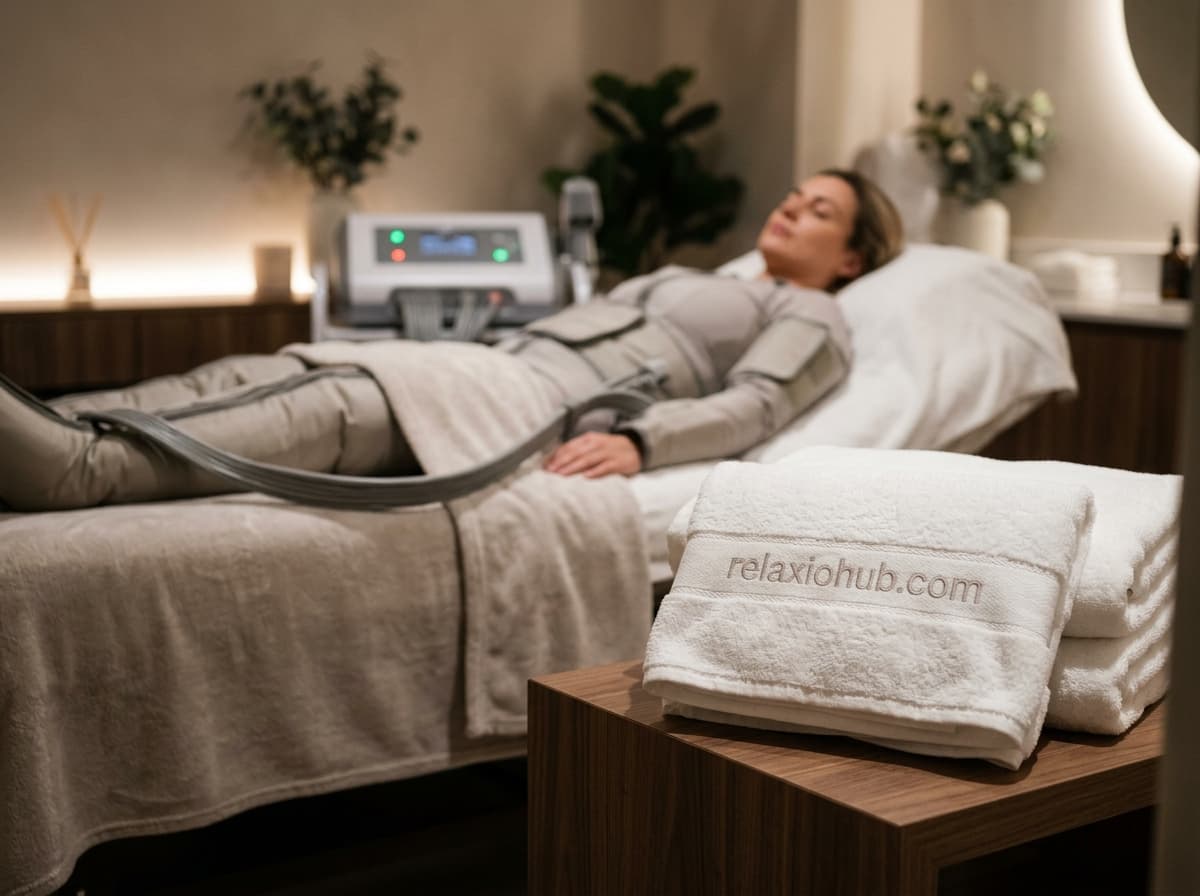
Wide shot of pneumatic compression cuffs wrapping the legs during a rhythmic pressotherapy session
Cadence replaces choreography: orderly chamber inflation reads as a lighthouse sweep along the calves instead of chaotic vibration.

Comfort stories clients repeat

Benefits anchored in physiology, not billboard miracles

Wellness narratives must stay tethered — machines support subjective lightness, exercise recovery scaffolding, and partner care alongside massage, never overnight silhouette remodelling guarantees.

Rhythmic coaxing toward central return

Intermittent pressure waves echo the skeletal muscle pump when you lack steps that day due to desks, airplanes, or post-event fatigue.

Microcirculation pep talk without oils

Non-greasy finish makes midday bookings viable for commuters who dislike showering twice after traditional massage oils.

Edema-awareness companion days

Clients tracking mild ankle puffiness alongside clinicians sometimes choose gentle studio passes between higher-acuity outpatient wraps.

Low-friction glide into sleep inertia

The predictable cadence hypnotizes busy nervous systems similarly to weighted blankets minus heat overload.

Stackable with hands-on modalities

Pairing timelines with fascia work, fascia tools, or sports massage stacks sensation types so recovery plans feel textured.

Venous return scaffold between training sessions

Athletes rotating machines into contrast-therapy protocols report quicker leg rebound without adding impact — cuffs bridge the gap between sports massage appointments.

Timeline

Typical pneumatic visit arc

1

Intake + hydration baseline

Recent flights, menstrual bloating spikes, rheumatology meds, varicose vein procedures, clotting histories, implanted pumps.

2

Disposable barrier layers

Wicking leggings or studio-provided tights keep cuffs from direct sweat contact; ankles align with labelled chamber seams.

3

Program pick + manual primer

Lymph-lite, sporty flush, abdomen-inclusive, aesthetic bundle — whichever name is honest about pressure ceilings.

4

Valve-wave ride

You monitor toe colour, whisper adjustments if cuffs climb too fiercely, breathe diaphragmatically to keep anxiety low.

5

Re-entry coaching

Slow standing, electrolyte-water reminder, reschedule spacing, cues on pairing with elevate-legs-evening rituals.

Pick wisely

Pressotherapy versus nearby modalities

Intent overlap sparks confused bookings — separating lanes saves money.

Manual lymphatic drainage vs pneumatic cuffs

Hands map nodes, soften fibrosis, personalize angles; cuffs extend mechanical encouragement once pathways are coached or when touch-light days are preferred.

Deep-tissue Swedish massage vs air compression

Kneading addresses trigger points and fascial adhesions; pressotherapy skips myofascial stripping yet can follow as a flushing epilogue.

Medical-grade compression stockings prescribed for venous disease

Clinician-calibrated gradients outrank discretionary studio cuffs for diagnosed chronic venous insufficiency — never interchange without guidance.

Before and after

Before

  • Skip heavy lotion on limbs that slide into cuffs so liners grip predictably.
  • Wear movable layers; restrooms beforehand reduce mid-sequence interruptions.
  • Mention wearable cardio tech or insulin pumps — magnetic closures on some liners matter.
  • Light carb-protein snack an hour ahead steadies glucose for vasovagal-prone visitors.

After

  • Walk slowly off the table; dorsiflex ankles a few reps to reaffirm sensation.
  • Hydrate thoughtfully — not chugging liters in panic unless your clinician directs it.
  • Log unusual numbness exceeding 30 minutes or mottling; escalate to urgent care if sudden chest pain or breathlessness appears.

Who may consider it

  • Desk workers combining weekend races who want low-effort recovery between sports massage weeks.
  • Post-long-haul travelers managing subjective leg heaviness once acute clot risk windows are understood.
  • Brides or event clients pairing honest bodywork formats with transparent expectations about temporary contour perception.
  • Athletes rotating cuffs into contrast therapy suites alongside cold immersion under staff supervision.
  • Anyone curious how pneumatic compression feels before investing in home recovery devices.

When cuffs stay off

Studios must pause or refer out for active infection, suspected thrombosis, unstable heart failure, severe arterial disease, untreated hypertension spikes, advanced kidney failure fluid swings, or pregnancy without obstetric clearance.

  • Acute DVT, phlebitis with heat, or unilateral calf swelling that appeared suddenly without ultrasound clearance.
  • Open ulcers, uncontrolled dermatitis, or surgical sites still steri-stripped along cuff paths.
  • Severe peripheral artery disease with resting limb pain or gangrenous changes.
  • Implanted defibrillator pockets or fresh stent sites when manufacturer contraindicates external compression.
  • Active cancer-related lymphedema programs that require certified lymphedema therapist oversight beyond spa hardware.

FAQ

Search-shaped answers

Does pressotherapy melt cellulite permanently?

It can temporarily influence how smooth skin feels by supporting fluid movement alongside lifestyle factors, but it is not a permanent fat-reduction protocol and professional studios avoid guarantee language.

How often should sessions repeat?

Wellness clients space visits weekly or biweekly; event-driven stacks may condense but should still honour skin recovery and clinician advice if edema has a diagnosed cause.

Is it painful?

Expect firm hug-level pressure — sharp nerve zings, dizziness, or blanching toes mean you should halt and reassess cuffs or medical risk.

Can I combine with lymphatic drainage massage?

Yes, sequencing is common, but therapists should dictate order based on your presentation and clearance status.

What is the difference between manual lymphatic drainage and pressotherapy?

Trained hands map nodes, address fibrotic areas, and adapt angles to individual anatomy; pneumatic cuffs extend mechanical reinforcement between sessions or when a lower-touch recovery day is preferred. Both methods complement rather than replace each other.

Is pressotherapy safe after long-haul flights?

With physician clearance ruling out acute DVT, a gentle studio pass can reduce subjective leg heaviness post-flight. Do not substitute wellness compression for clinical evaluation if unilateral calf swelling appeared suddenly during or after travel.

Should pressotherapy come before or after massage?

Most therapists sequence manual lymphatic drainage first to open proximal nodes and pathways, then use cuffs for distal reinforcement. Optimal sequencing depends on your intake history and the practitioner's assessment.

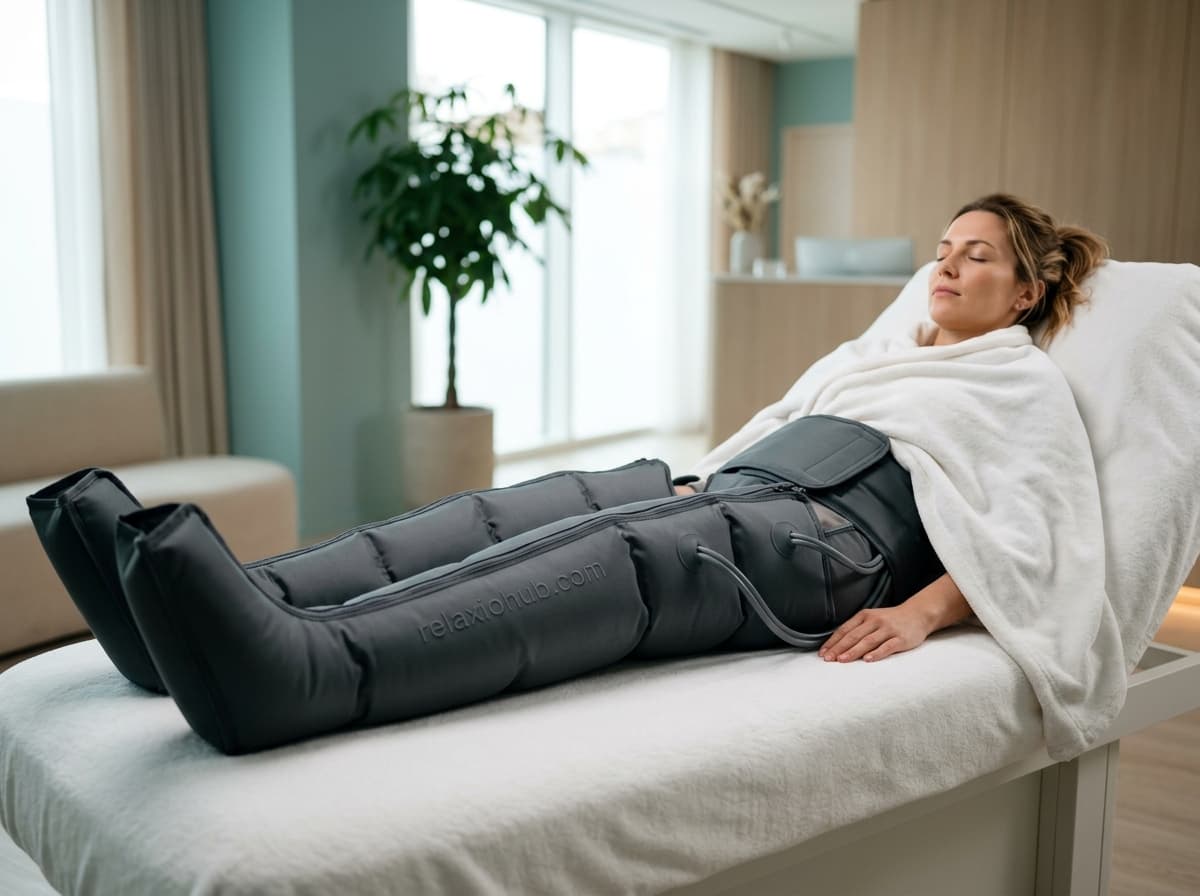
Close detail of pneumatic compression cuffs showing segmented air chambers resting over fabric liners

Segmented chambers act like domino conductors: orderly inflation keeps the sensation therapeutic, not random heat.

Therapists

Who offers Pressotherapy

Practitioners across Ukraine who provide this massage type. Choose a specialist and view their profile.

Find a pressotherapy-ready studio in your city

Compare profiles documenting chamber brands, laundering cadence for cuffs, clinician referral etiquette, stacking policies with lymphatic therapists, and candid language about cellulite timelines.