Central pathway preparation
Brief sequences near the collarbone region prime flow before limb work—you might sense easier chest breathing.
Barely-there pressure—under 30 mmHg—and a predictably slow rhythm: for a lighter-body feeling after travel puffiness or tight clothing without aggressive muscle kneading.
Massage overview
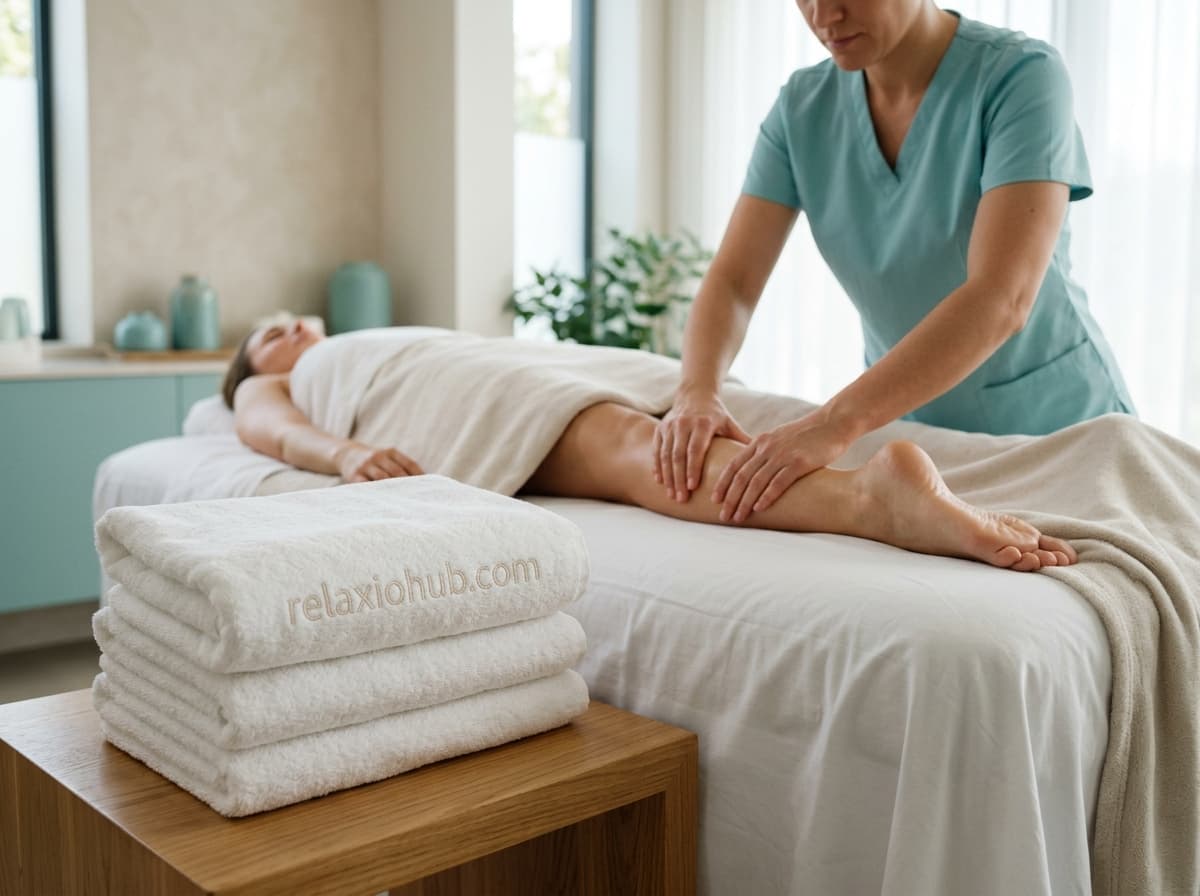
In wellness practice, lymphatic drainage massage is a sequence of very light, slow contacts along the skin surface: the therapist guides interstitial fluid movement without digging into muscle bellies. Pressure stays within 20–40 g/cm²—below the threshold that dilates blood capillaries—to engage the lymphatic network specifically without adding venous load. The slow tempo—10–15 strokes per minute—simultaneously shifts the nervous system toward parasympathetic recovery mode; guests often fall asleep within the first quarter of the session.
Some studios borrow principles related to manual lymph drainage (MLD) by Vodder—a protocol developed in 1932 for precise work along lymphatic chains—but a salon session does not replace medical care for lymphedema or post-oncology swelling: that pathway demands certified specialists and physician coordination. In a salon setting, the focus is on: easing subjective puffiness and restoring comfort after travel or long upright days.
People often pick it when classic or sports massage feels too intense yet light touch yields relief. Fever, acute inflammation, unexplained one-sided swelling, or sudden limb enlargement warrant medical evaluation first—not massage.
At a glance
Technique
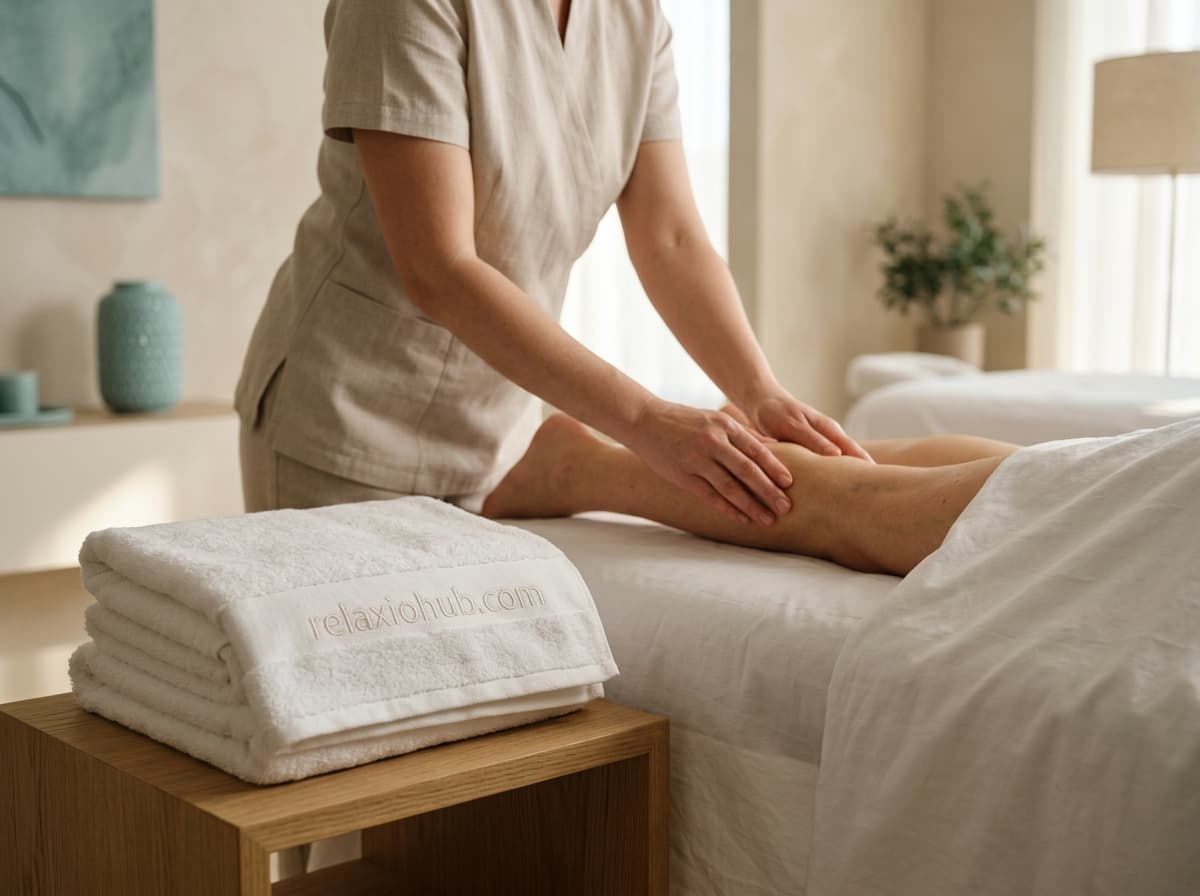
Protocols differ by school, but bodies recognize three cues: slowness, sequencing, and absence of painful depth.
Brief sequences near the collarbone region prime flow before limb work—you might sense easier chest breathing.
Rhythmic strokes follow anatomical basins; skin shifts under the palm without deep shear.
Micro-releases between phases mimic a wave—not bruising compression.
Superficial circular passes around the midsection; after abdominal surgery always defer to physician clearance.
Broad slow contacts settle the nervous system instead of hyping it post-session.
Effect
Motivations below stay inside wellness boundaries without promising disease-level lymph cures.
After standing shifts, heat waves, or flights the superficial rhythm often restores a lighter sensation.
Light contact warms the surface without pressure-induced sore spots.
If deep tissue overwhelms you, lymphatic-style pacing offers structure at low intensity.
Persistent one-sided swelling, pain, or post-radiation changes need clinical pathways—not casual spa guessing.
A tempo of 10–15 strokes per minute—slower than any other massage style—signals the nervous system to enter repair mode; guests often drift to sleep within the first ten minutes without any aids.
After liposuction, rhinoplasty, or arthroscopy, lymphatic drainage—with surgeon clearance, typically two to four weeks post-op—helps reduce swelling and bruising without placing pressure on suture lines.
Process
Therapists ask about surgeries, swelling patterns, varicosities, infections, pregnancy, meds—the answers steer routing.
Regions progress through light cycles; tempo stays lower than Swedish classics.
Brief rest off the table, hydration, and gradual return to training avoid shocking circulation after a first visit.
Choosing the format
Searchers mix spa lymphatic massage with clinical manual lymph drainage. These three wellness scenarios stay ethical.
Emphasize legs and gentle decompression; skip booking during fever or suspected DVT.
Book a full-length session with minimal oil and constant feedback about comfort.
Maintenance lightness without medical indications—slow cadence if new symptoms appear.
Encouraging lymph return is inappropriate during active infections, acute thrombotic events, or unstable cardiac or renal conditions without physician clearance.
FAQ
Classic work often kneads muscle at moderate depth. Lymphatic drainage stays superficial and slow with different sequencing goals—not trigger-point excavation.
Clinical MLD follows strict protocols for lymphedema and post-surgical cases. Spa sessions may resemble technique but are not interchangeable with treatment; diagnosed swelling needs physicians and certified therapists.
No. Mild skin traction may occur; sharp pain or breathlessness means stop and seek care.
Without medical orders, every 2-4 weeks is typical maintenance; post-travel visits can be one-offs or short series per therapist guidance.
Skin may look smoother briefly from hydration and circulation shifts. Sweeping detox or anti-cellulite guarantees lack evidence—prioritize realistic comfort outcomes.
Yes, but timing is the surgeon's call: first sessions are typically cleared two to four weeks after liposuction or rhinoplasty once sutures are removed and inflammation has settled. Starting too early or too intensely can displace oedema in unintended directions and slow healing.
Manual lymph drainage by Vodder—developed in 1932—is a clinical protocol with exact sequencing for specific lymphatic regions. A spa session may borrow those principles but does not equal certified medical MLD. Ask your therapist about their credentials if you have diagnosed lymphoedema or post-surgical swelling that requires clinical management.
Therapists
Practitioners across Ukraine who provide this massage type. Choose a specialist and view their profile.
Valeria
Оксана
Віктор
Катерина
Ксенія
Тетяна
Katerina
Людмила
Катерина
Поліна
Альона
Надія Світла
Choose your city on the home page and browse profiles listing lymphatic drainage or related techniques.