Skin check
The practitioner asks about sensitivity, sunburn, allergies, and reactions to aloe, agave-based ingredients, plant gels, or aromatic additives.
Hakali is a Mexican spa massage with de-spined nopal cactus paddles, warm cactus gel, aloe, and soft manual work. People choose it for a cooling, skin-softening, gently restorative feeling after sun and heat.
Mexican cactus bodywork
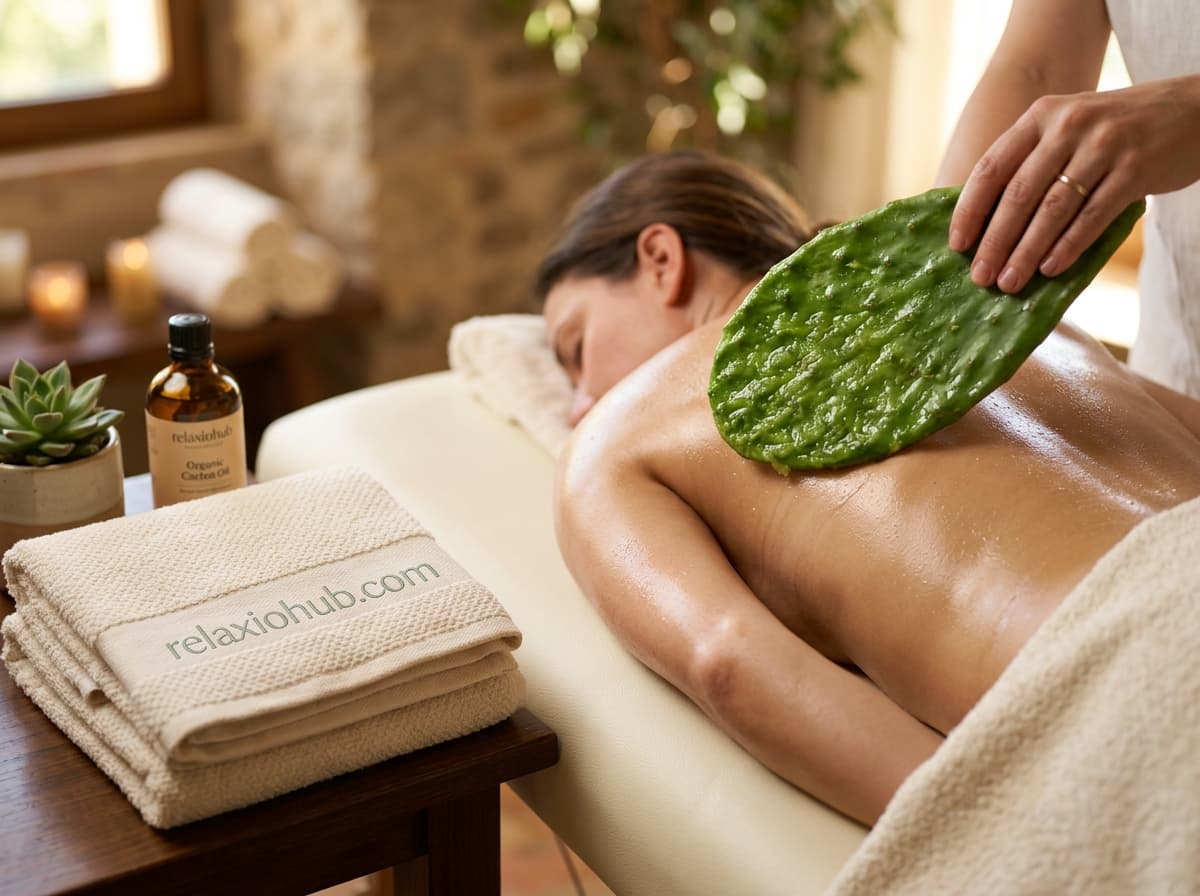
Hakali massage is a Mexican spa format where the practitioner uses de-spined nopal cactus paddles, warm cactus gel, aloe or a cream base, and calm massage strokes. The nopal is not meant to scratch the skin: it is prepared so its surface works like a smooth botanical tool for gliding, soft pressure, and cool contact.
The name Hakali is associated with local Huichol usage for nopal, the prickly pear cactus that is part of Mexican food, symbolism, landscape, and body care. The modern massage format became known through resort spas around Punta Mita and other Mexican wellness spaces, where local flora was combined with light massage, aloe, and agave-inspired body-care notes.
Hakali is most strongly associated with Mexico: Nayarit, Punta Mita, Jalisco, the Riviera Maya, desert-inspired spa resorts, and practitioners who work with nopal. Outside Mexico, similar cactus massage or nopal spa treatments can appear in the United States, the Caribbean, Spain, the UAE, Italy, and selected luxury spas that offer after-sun seasonal rituals. People looking for this treatment often search for “hakali massage,” “cactus massage Mexico,” “nopal massage,” “Mexican cactus spa treatment,” and “cactus massage.”
At a glance
Technique
In Hakali, plant preparation matters: the cactus should be de-spined, smooth, clean, and comfortable in temperature.
The practitioner asks about sensitivity, sunburn, allergies, and reactions to aloe, agave-based ingredients, plant gels, or aromatic additives.
Cactus paddles are cleared of spines, cut, or warmed so they provide soft gel and safe gliding.
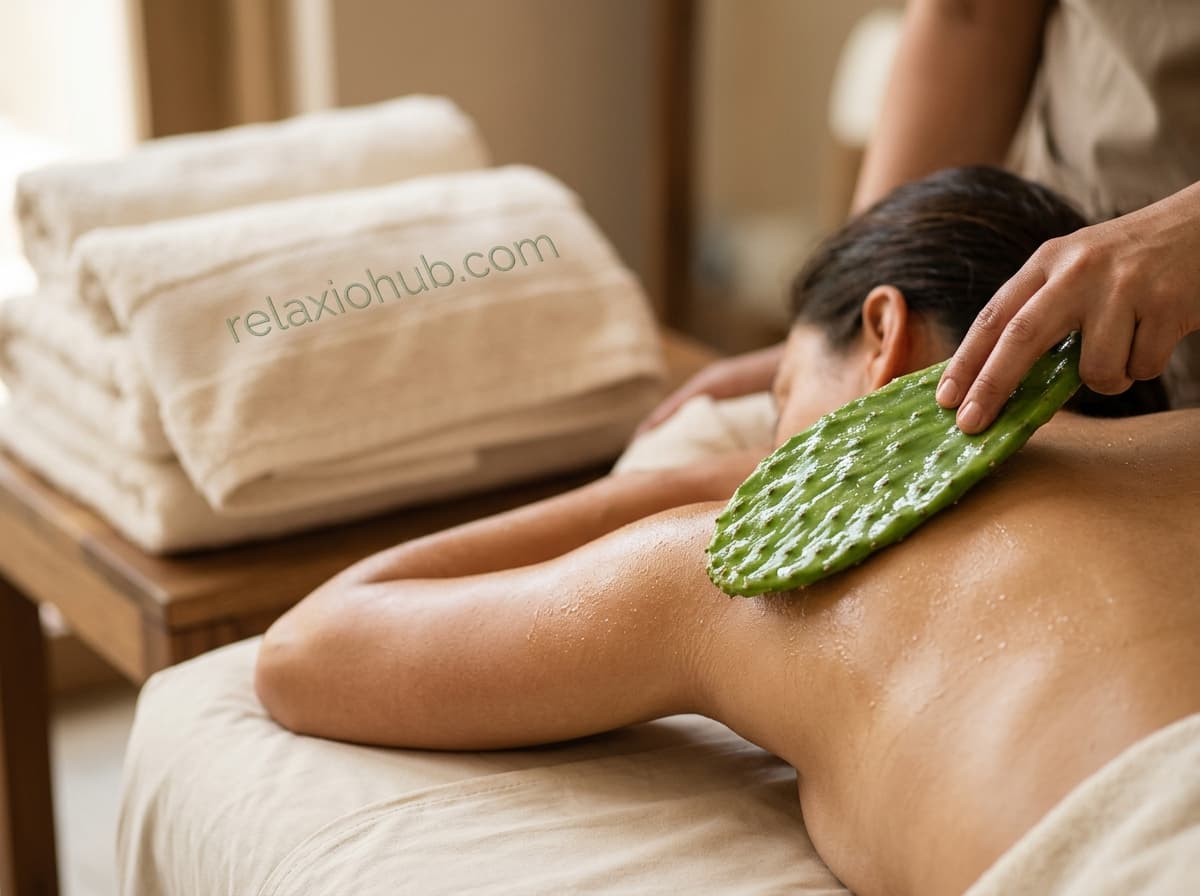
Warm cactus gel, aloe, or a cream base creates moist glide and protects the skin from friction.
The practitioner combines hands and the botanical tool: long strokes, light circles, and soft pressure without pain.
Some protocols add slow stretches for shoulders, arms, or legs so the spa care does not feel static.
At the end, remaining gel is gently removed or massaged in, and the skin gets a few quiet minutes before dressing.
Expected effect
Hakali is wellness body care, not a medical procedure. The expected effect depends on the skin, nopal preparation, cream base, and pressure level.
A smooth cactus paddle creates an unusual but soft feeling of a natural tool moving across the skin.
Cactus gel, aloe, or cream may leave the skin feeling softer to the touch after the session.
The format is often chosen in resort climates when the body wants a cooling, calm after-beach ritual.
The practitioner's hands and nopal work gently, making the session suitable for people who do not want strong compression.
Spines must be fully removed and the gel ingredients agreed with the client, especially when skin is sensitive.
The cooling nopal gel and gentle pace help skin recover from heat exposure without irritation or added friction.
Timeline
You mention allergies, irritation, fresh tanning, burns, rashes, and sensitivity to aloe, fragrances, or agave-based ingredients.
The practitioner shows the prepared nopal and may test a short contact on a small area to confirm comfort.
Long hand strokes, cactus-paddle gliding, soft circles, and light work on the back, legs, or shoulders are combined.
Gel or cream may stay on the skin for a few minutes if the protocol allows it and the client feels comfortable.
The practitioner removes remaining product, suggests avoiding direct sun right away, and asks you to watch for skin reactions.
Comparison
Hakali is worth choosing when Mexican spa character and skin care matter more than deep muscle work.
Hakali fits if nopal, cactus gel, aloe, and a local Mexican character are part of what you want.
An aloe wrap or moisturizing body care may be better when you do not need massage contact.
Classic, sports, or deep tissue massage makes more sense if the main request is stronger pressure.
Lomi Lomi massage may suit you better if you are drawn to a Hawaiian technique using long forearm strokes and a spiritual context, rather than a Mexican spa format.
The main risks are not massage force, but skin condition, allergies, nopal preparation quality, and fresh sun exposure.
FAQ
It is a Mexican spa massage with de-spined nopal cactus, cactus gel, aloe or cream base, and soft manual massage strokes.
Hakali is associated with a local Huichol name for nopal. The modern massage format became known in Mexican resort spas, especially around Punta Mita.
It is primarily associated with Mexico: Nayarit, Punta Mita, Jalisco, and the Riviera Maya. Similar cactus spa treatments may appear in the United States, the Caribbean, Spain, the UAE, and Italy.
People usually expect a cooling feel, softer-feeling skin, mild relaxation, after-sun freshness, and pleasant botanical contact.
No. In a safe protocol, the nopal must be completely de-spined. If the practitioner cannot confirm this, it is better to decline.
Look for profiles that describe nopal or cactus gel work, product ingredients, contraindications, allergies, and experience with after-sun spa care.
Lomi Lomi is a Hawaiian technique using long rhythmic forearm strokes with a spiritual dimension. Hakali is a Mexican spa ritual with nopal cactus and gel. Both are gentle, but they draw on different cultural traditions and tools.
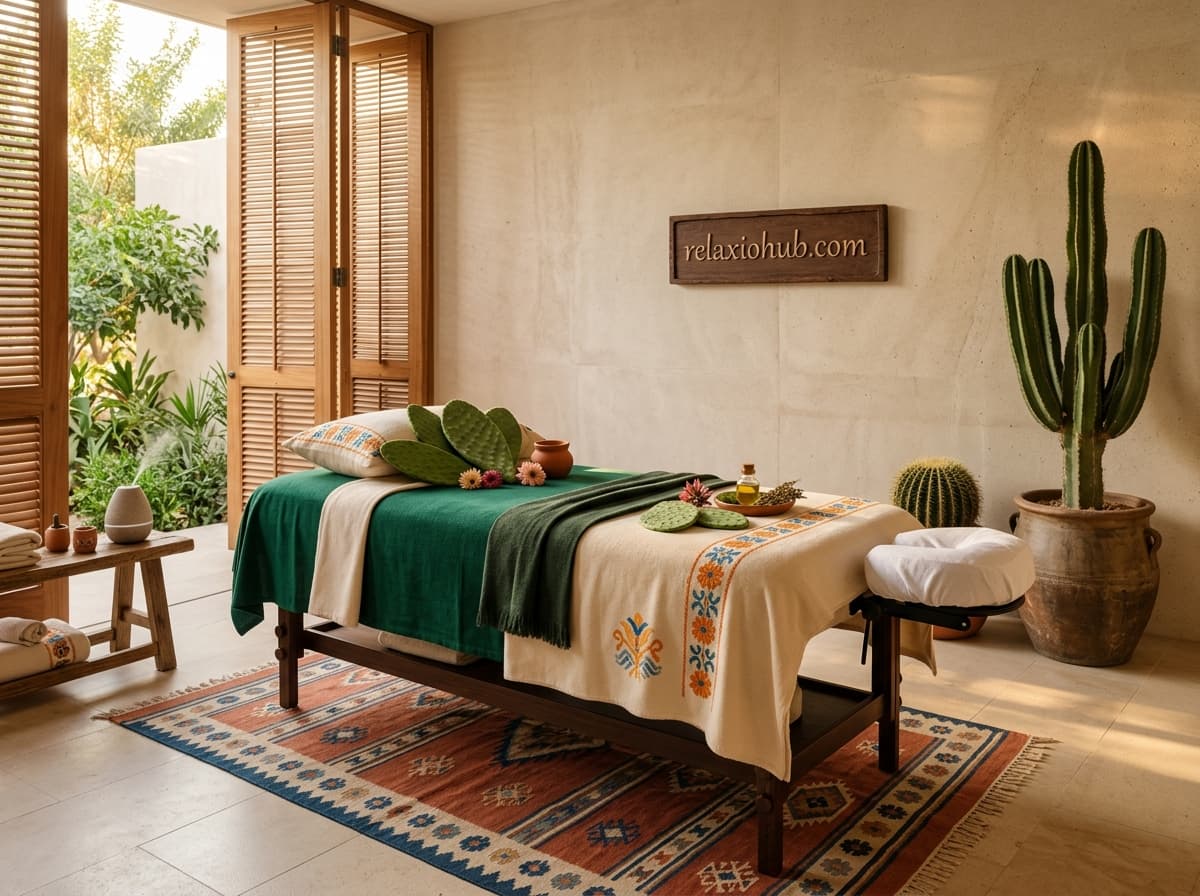
In Hakali, preparation matters more than drama: nopal should be smooth, clean, and comfortable for the skin.
Look for practitioners who specify their product ingredients, nopal source, contraindications, and experience with Mexican or cactus-focused spa work. Compare portfolio photos and real post-session reviews.