Thermography of the story
Recent sprains, compartment syndromes, migraine auras, implant sites, and anxiety about cold all get airtime before metal touches you.
Cryomassage marries deliberate cold contact with living hands: metal or glass tools pull heat from the skin in short, narrated windows while palms keep the nervous system from interpreting the visit as a shock. The goal is crisp sensation and lighter legs after training—not a frostbite audition or a promise to freeze fat away in one afternoon.
Semantics that searchers actually mean
Guests arrive from queries mixing cryotherapy, sports recovery, anti-inflammatory hope, cellulite buzzwords, and curiosity about CO₂ or nitrogen marketing. Clear formats separate whole-body cryo chambers from table work: cryomassage stays local, tactile, and paced so capillaries get a controlled wake-up call instead of a numb white patch nobody timed.
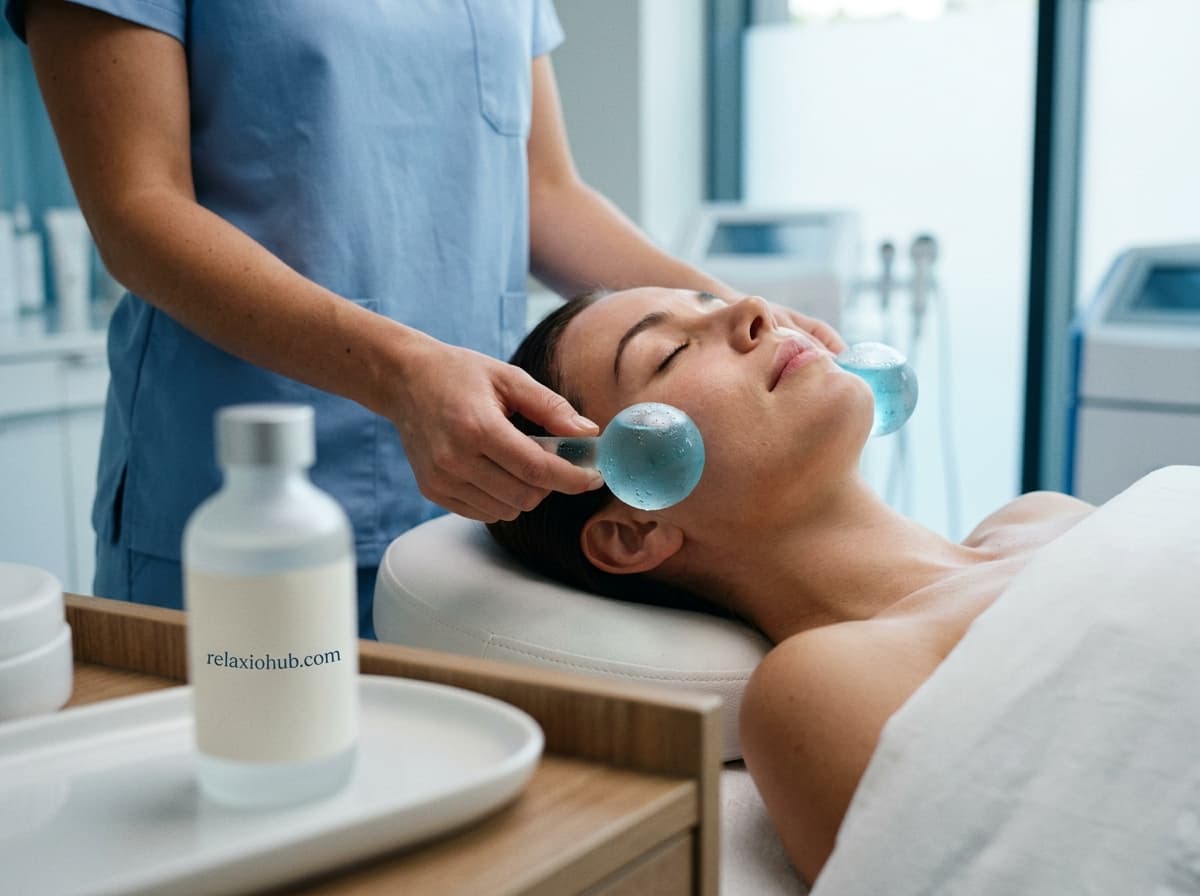
Common choreography layers stainless rollers, cryo globes, phase-change packs in fabric sleeves, or controlled vapour jets along manual effleurage. You feel a brightening metallic chill, then a flush of warmth when hands return—therapists should narrate seconds of exposure, never "hold your breath until it stops hurting."
Professional profiles should list contraindications beside pretty photos: Raynaud's phenomenon, cold urticaria, peripheral artery disease, pregnancy without obstetric sign-off, impaired sensation, open dermatitis, and certain arrhythmia histories shift the plan from spa fantasy to medical triage.
Snapshot
How the cold actually moves
Great cryomassage never parks static ice on sleeping nerves; it rides maps drawn by fascia and sport history.
Recent sprains, compartment syndromes, migraine auras, implant sites, and anxiety about cold all get airtime before metal touches you.
Sleeves, thin towels, or glycerin gels keep stainless or glass from welding to damp skin while still transmitting chill.
Tools roll along hamstrings, IT bands, or trapezius ramps with the same directionality as effleurage so lymphatics feel invited not ambushed.
Palms or forearms sweep immediately after each cold pass, teaching proprioceptors that the body still owns the thermostat.
Some formats chill along jaw and orbital rims for puffiness-sensitive clients—lighter pressure, shorter seconds, zero lung-freeze theatrics.
Blankets, herbal tea, and slow sitting cap sessions so vasoconstriction does not meet sudden standing like a trapdoor.
Why athletes and desk bodies book it
People describe legs that feel longer after flight days, calmer IT bands post tempo runs, and faces less puffy after salty dinners—subjective wins that still respect anatomy exams when pain shouts.
Cold pulls blood vessels into a brief squeeze then invites reactive warmth—skilled pairing with massage keeps the oscillation smooth.
Novel temperature wakes interoception when repetitive Swedish months turned everything beige.
Runners and lifters often slot cryomassage after heavy microcycles when DOMS tolerates touch but craves contrast.
Studios that log pass counts per zone and refuse silent suffering earn repeat visits from trauma-informed clients.
Predictable chill plus predictable hands can lower the adrenaline hangover from open-plan offices when contraindications are clear.
Protocol limits dwell time and keeps the tool in motion at all times: the therapist watches for pink (normal) and stops at white (not normal).
Timeline
Raynaud's, asthma triggered by cold air, diabetes neuropathy, pacemakers near treatment fields, and Accutane-dry skin change the map.
Five to ten minutes of classic glide tells tissues the table is collaborative before steel arrives.
Therapist alternates lateral lines, logs time aloud, watches colour return before repeating.
Compresses, palm friction, or gentle joint flossing reminds vessels they may dilate again.
Hydration, avoid saunas same hour if skin is angry, message clinic if blisters or mottling persist beyond two hours.
Choose deliberately
Overlap is fine; confusion about intent is not.
Stones rest with gravity; cryomassage tools travel and dialogue with effleurage—ask which philosophy your session follows.
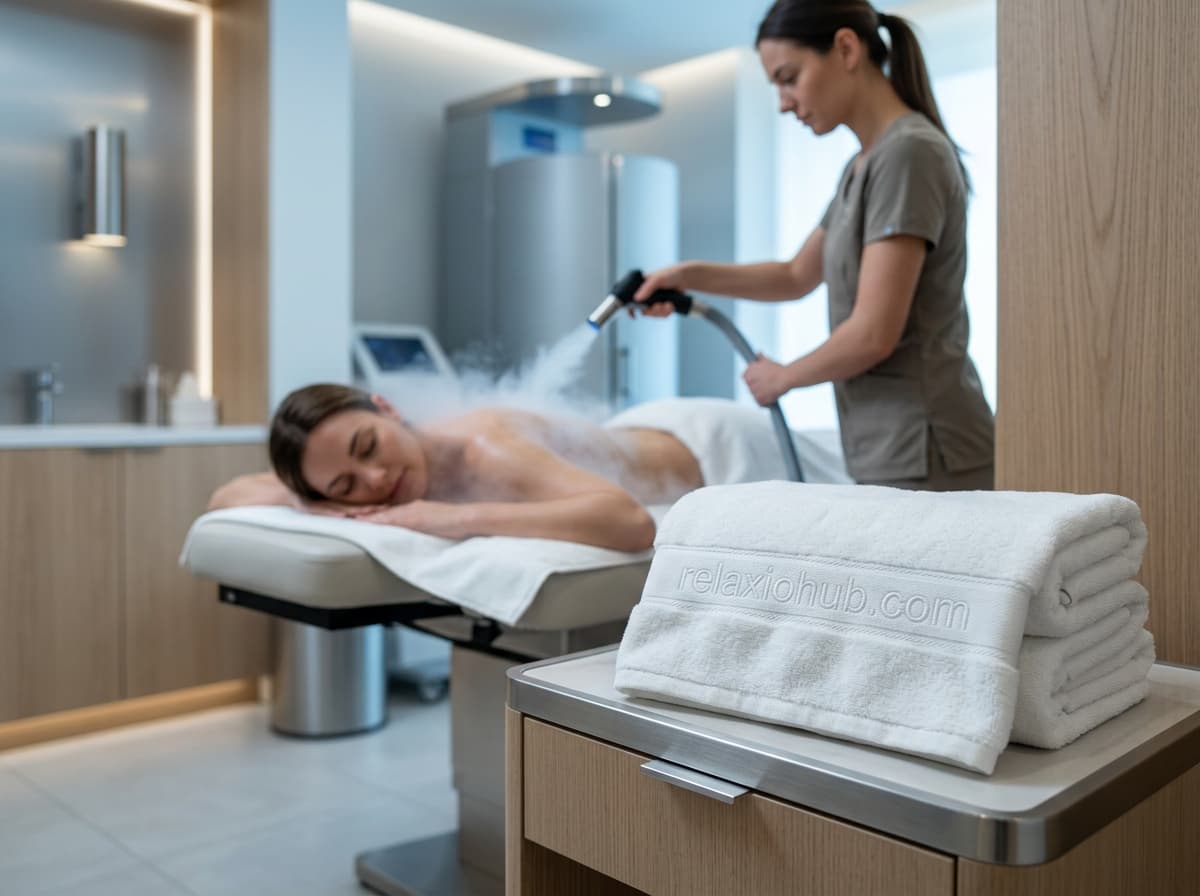
Chambers mist the entire shell for minutes; table cryomassage focuses on muscle belts and never replaces emergency icing protocols.
Air sleeves compress rhythmically without steel chill—stacking both same day may overload sensitive vasculature unless clinicians agree.
Cold urticaria Raynaud's with ulcers cryoglobulinemia symptomatic peripheral artery disease uncontrolled hypertension crisis pregnancy without obstetric note severe asthma triggered by cold air open wounds or infected eczema at treatment paths cold injury history with tissue breakdown and impaired protective sensation collectively earn deferral or medical co-sign—not quiet heroics.
FAQ
No. Non-invasive fat devices use proprietary suction and cooling protocols regulated as medical devices. Table cryomassage pairs cold tools with manual therapy for sensory recovery—it should not market millimetre measurements off your waist.
Brief blanching can happen if passes run too long ethical therapists abort immediately warm the area and document the lesson skip macho endurance culture.
Some obstetricians green-light gentle extremity work others veto any vasoconstriction playbooks bring written guidance studios should refuse vague maybe answers.
Homemade ice packs often stay static and untimed cryomassage couples motion limited dwell and immediate manual rewarming trained eyes watch colour return before the next pass.
Compare device transparency training lineage photos of ventilation for CO₂ tools emergency escalation scripts and willingness to say no when Raynaud's shows up on intake.
Absolute contraindications include Raynaud's phenomenon, cold urticaria, and cryoglobulinemia — cold triggers vascular attacks or protein reactions in these conditions. Also contraindicated: peripheral vascular disease, DVT or recent venous thrombosis, open wounds, active skin infections or eczema in flare, uncontrolled hypertension, impaired skin sensation (neuropathy, post-surgical), and pregnancy without obstetric clearance.
The mechanism is vasoconstriction during cold contact followed by reactive vasodilation — a hyperemia flush — when the tool lifts and warm hands return. This contrast cycle can support the sports recovery window after DOMS-producing training blocks and temporarily reduce acute local puffiness via lymphatic flush. The key distinction from static ice: the tool stays in motion, limiting cold dwell time and preventing tissue damage while maximizing the contrast response.
Hunt profiles that cite temperature bands contraindication courage and choreography between cold and heat—not only glossy fog machines.