Chiller discipline
Timed cooling—not forgotten freezer experiments—keeps stones predictable.
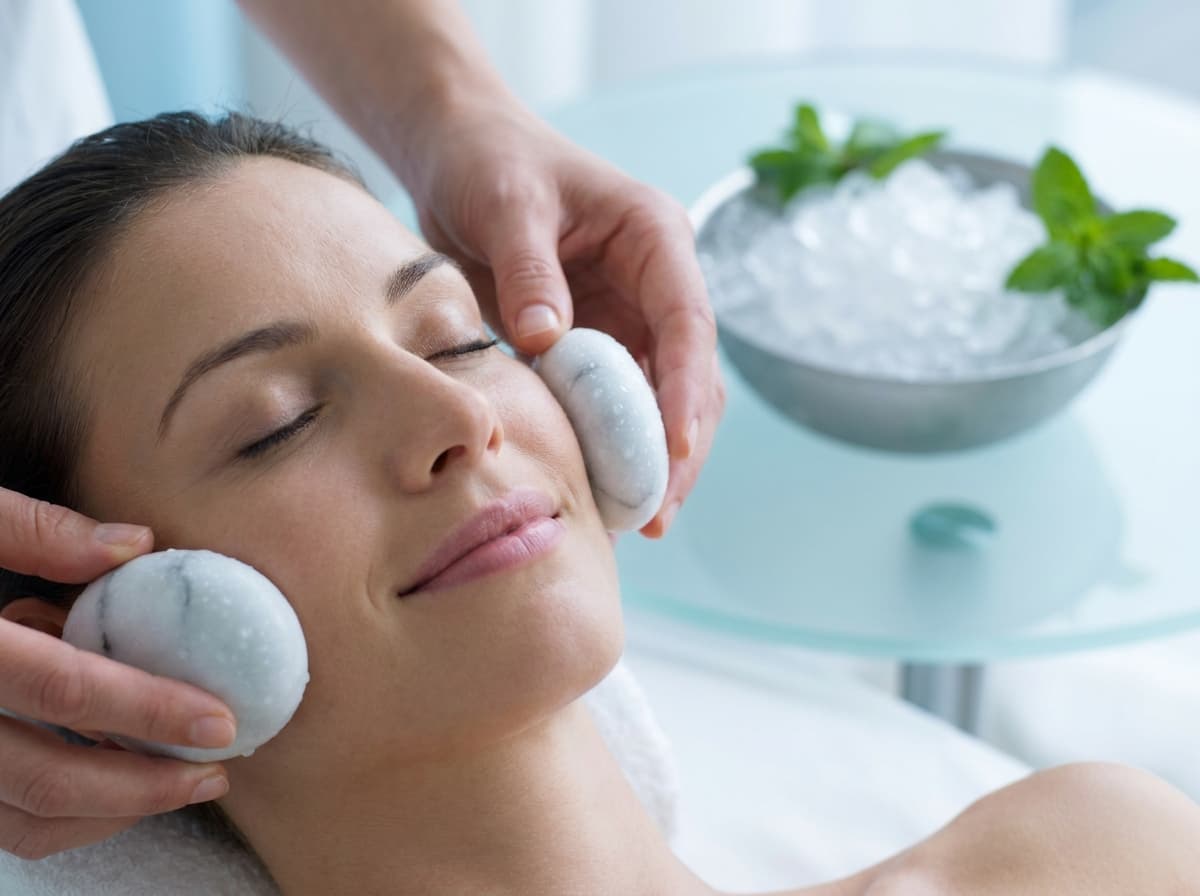
Cool marble or basalt stones create surface brightness without freezing tissue: therapists chill stones to a moderate range, keep contacts brief, and alternate with warm palms so the vascular response stays measured and visible.
Thermal SPA literacy
Studios usually imply polished stones rested in commercial refrigerators or stone chillers until mildly cold—not tongue-sticking freezer slabs. Stones sit atop linens or glide through light carrier oil in broad vectors. Brief static placements replace marathon icing so superficial nerves register freshness instead of numb trauma.
This remains wellness storytelling, not outpatient cryotherapy. Clear copy describes sensory contrast—think lighter legs after hot shifts or mental clarity after muggy commutes—not guaranteed lymph miracles, cellulite deletion, or injury cures.
Versus hot stone massage you invert the thermal thesis: heat sedates deeply while moderated cold reads as brisk and tightening at the epidermis. Contrast protocols blending both exist but demand upfront choreography—never a stealth cold finale after an hour of roasting rocks.
Snapshot
Technique
Controlled temperature pacing defines the protocol — brief contacts, predictable intensity, no competitive endurance.
Timed cooling—not forgotten freezer experiments—keeps stones predictable.
Static placements happen through fabric or glide mediums instead of bare ice kisses.
Wide posterior or calf passes distribute conductivity evenly.
Palms reperfuse surface vessels between chill chapters.
Lounging post-session beats sprinting into cold air without layers.
Why book
Cool sensory resets without clinical cryosauna machinery.
Short chill pulses feel invigorating after heat waves or standing-heavy shifts.
Smooth slabs spread sensation versus pinpoint ice cubes grinding fascia.
Carriers cut friction so chilled passes skim instead of scrape.
Therapists should narrate zones, durations, and remove stones instantly if vasospasm symptoms arise.
Brief cold contact activates the sympathetic nervous system, which explains the mental clarity and alertness many guests report after sessions.
In contrast protocols paired with hot stones, cold segments amplify vascular tone — the dilation-constriction cycle acts as dynamic conditioning for superficial vessel walls.
Flow
Flag Raynaud's, cold urticaria, migraines triggered by neck chill, pregnancy without OB clearance, or anemia with dizziness.
Micro protocols swap chilled placements or glides with classical strokes and warm palms.
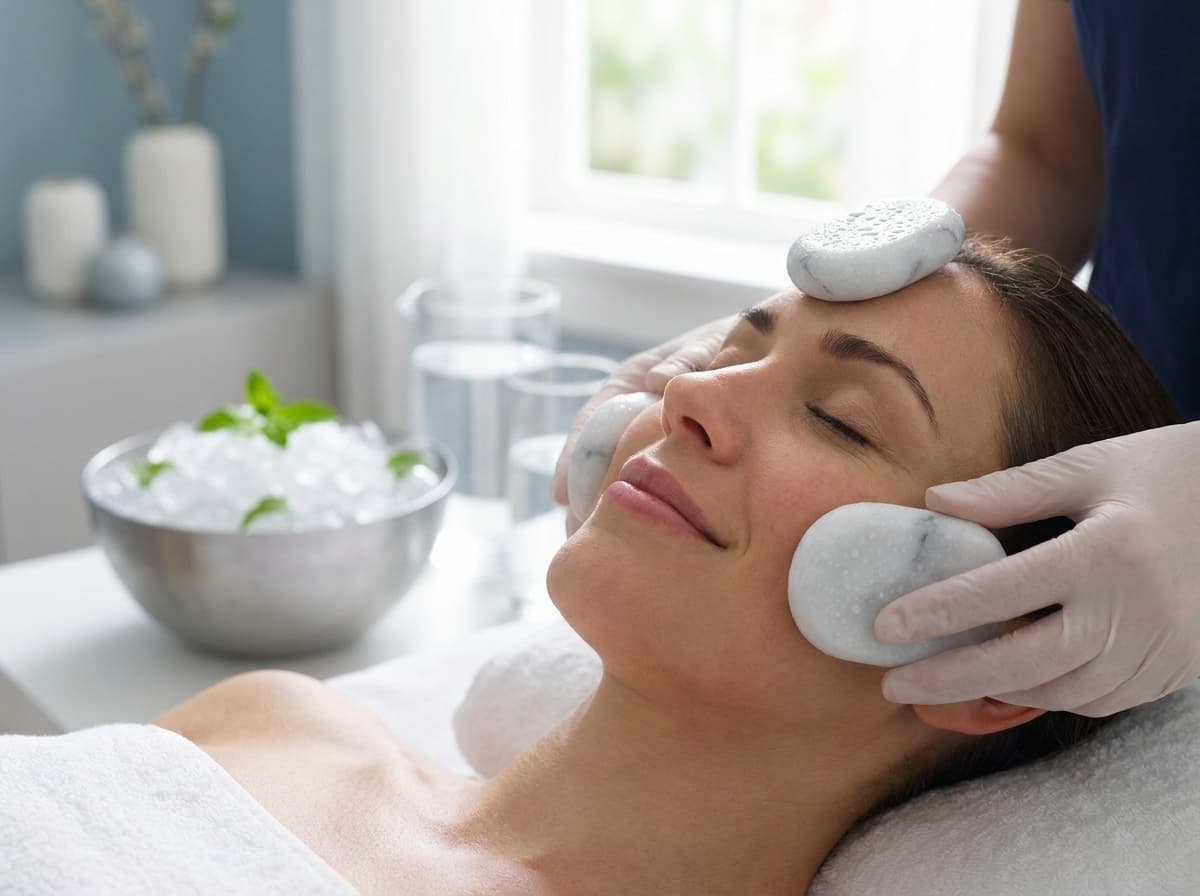
Chilled stones glide over priority zones — back, calves, décolletage; brief static holds alternate with movements. The therapist monitors for blanching, vasospasm, or numbness cues and adjusts placement duration in real time.
Hydrate as desired, dress warmly, skip plunge pools unless explicitly part of the agreed session plan.
Choosing the format
Three intents beside hot stones or classic oil massage.
Pairings belong in the intake—not as ambush finales after lava stones.
If deep-tissue pressure concerns you, cold stones skew sensory rather than therapeutic.
SPA relief narratives still differ from hospital-grade compression therapy.
Cold triggers sharper vascular responses than heat.
FAQ
Contrast formats exist but must be scripted during intake—never as surprise endings after prolonged heat.
SPA stones operate in a warmer range than clinical cryo chambers and do not substitute for prescribed rehabilitation protocols.
Subjective cool relief differs from clearance for acute tears or alarming swelling—consult a clinician before treating injuries with cold stones.
Occipital chill helps some guests and triggers others—begin with brief contacts and narrate any symptoms to your therapist.
Maintenance roughly every 3–5 weeks unless vascular symptoms suggest a longer interval.
Marble and granite have higher thermal conductivity than basalt: they reach chiller temperature faster and sustain an even surface cool throughout skin contact. Basalt remains the traditional choice for hot stone work because its dense structure retains heat longer.
Cold contact triggers vasoconstriction in superficial vessels, redistributing blood toward the core. With repeated cycles, the Hunting reaction sets in — alternating constriction and dilation. When the session ends and stones are removed, vasodilation produces the characteristic freshness and alertness guests describe.
Therapists
Practitioners across Ukraine who provide this massage type. Choose a specialist and view their profile.
Choose your city and review profiles for chill protocols, stone dwell times, contrast transparency with hot sessions, and refusal to promise medical outcomes.