Effleurage along muscle lines
Long enveloping strokes set tempo and direction. They heat tissue, reveal dense spots, and bridge into deeper work without a sudden jump in pressure.
A Western wellness technique built on long gliding strokes, progressive warm-up, and steady pressure along the muscle grain — you feel held, not worked on.
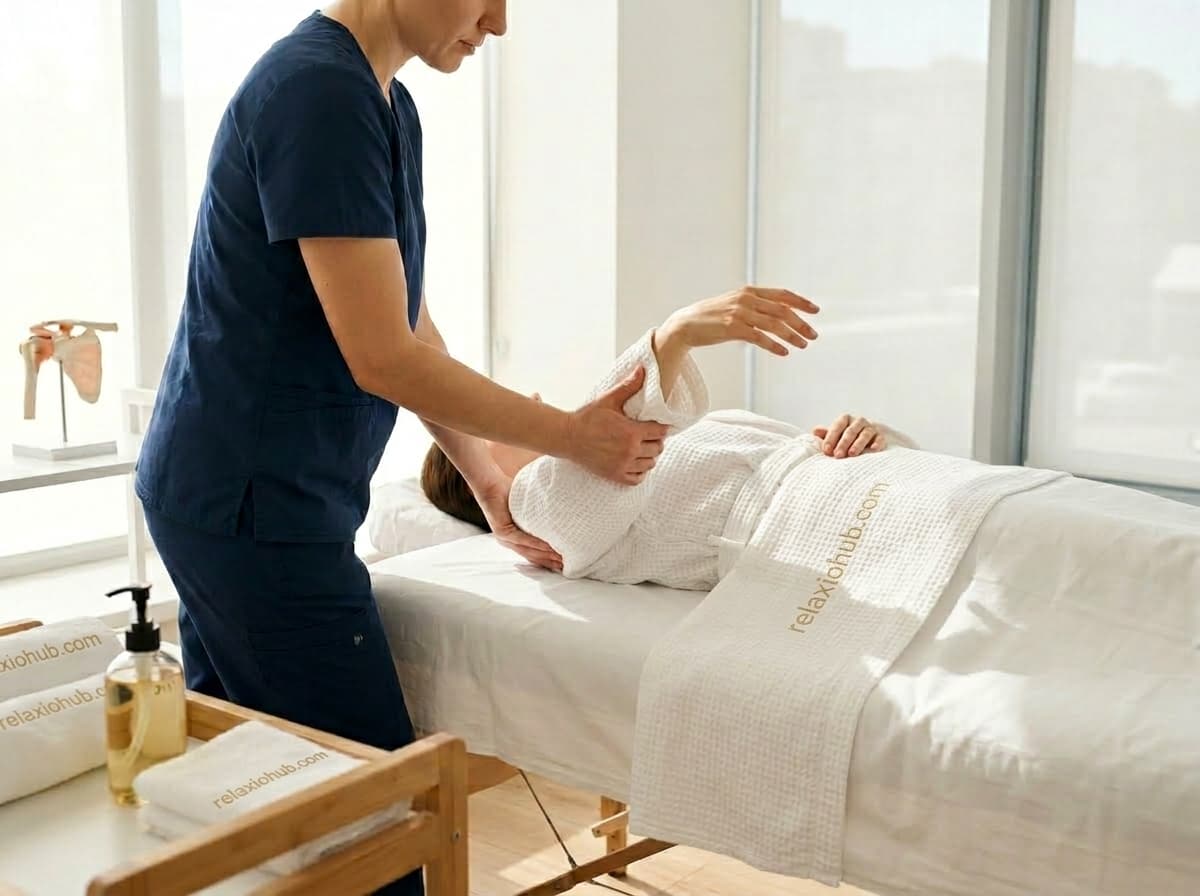
Massage overview
Swedish massage is organized like a story arc: soft strokes prepare the tissues, kneading and friction handle stubborn tension, and slow finishing strokes help you settle into calm. People often choose it as a first massage because intensity builds gradually — the body learns to trust each stroke before anything deeper arrives.
The hallmark is long strokes that travel along muscle groups. Predictable direction and repetition let your nervous system trust the touch instead of bracing for surprises. Skilled therapists keep continuous contact so pressure feels supported rather than abrupt.
It fits desk-fatigue across the back and shoulders, tight hips after walking or lower-body training, and anyone who wants a repeatable self-care ritual. It is not medical treatment—seek professional advice for acute pain, fever, or complex diagnoses.
At a glance
Technique
The toolkit mirrors classic Western massage, but pacing matters most: warm superficial layers first, then address tone, then close with calming strokes.
Long enveloping strokes set tempo and direction. They heat tissue, reveal dense spots, and bridge into deeper work without a sudden jump in pressure.
Soft lifting, rolling, and compression eases that heavy feeling in the back, thighs, and calves as pressure ramps gently so the nervous system stays open.
Short cross-fiber or circular movements warm localized zones—often neck, upper traps, or lumbar regions—and loosen stiffness after static posture.
Rhythmic tapping or chopped strokes add gentle stimulation toward the later portion of working large muscle groups. Swedish sessions keep this phase brief and mindful.
Fine vibration or ultra-slow gliding completes the arc, steadies breathing, and anchors the feeling of relief.
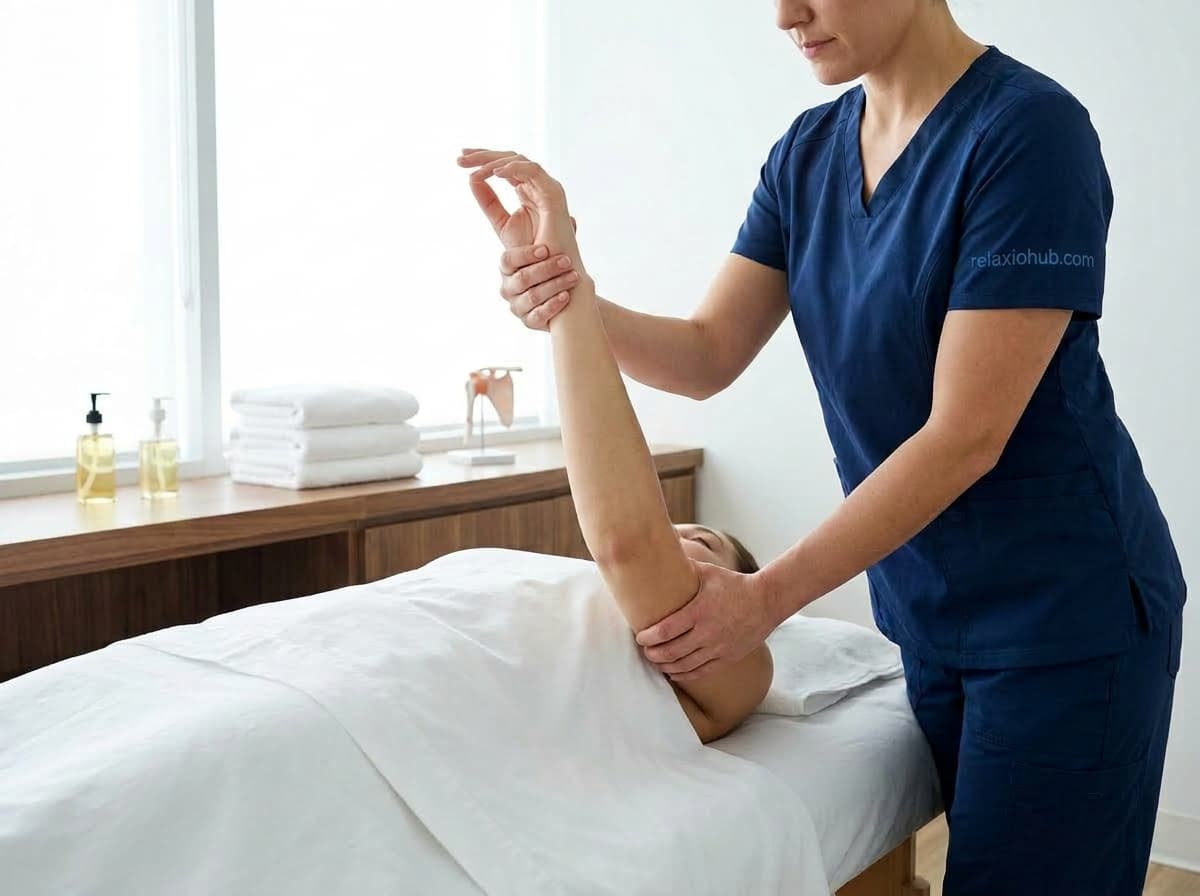
Effect
Outcomes depend on session length, sensitivity, and practitioner skill. Clients commonly note lighter shoulders, easier gait, and calmer evenings after a booking.
Rhythmic tissue work builds warmth and nourishment sensations without overstimulation.
Kneading helps muscles feel supple again after office hours, travel days, or moderate workouts.
Smooth transitions between strokes reduce mental tension and support recovery mode.
Sessions can stay gentle for newcomers or deepen for regular maintenance—always aligned with consent.
The slow rhythm and extended skin contact signal safety to the nervous system — measured cortisol drops and a quieter, more settled mind are commonly reported after a single session.
Rhythmic gliding strokes gently nudge lymph flow, reducing the heaviness and mild swelling that build in legs after long periods of sitting or standing.
Process
Therapists confirm tense zones, past injuries, oil sensitivities, and your preferred pressure range.
Gliding strokes open the session, followed by kneading and precise attention to the tightest areas.
Slow closing strokes let your body integrate the work before you stand up from the table.
Choosing the format
Searches for “Swedish massage” often hide different expectations: gentle relaxation, relief after desk work, or a clear first massage experience without aggressive pressure.
Ask for soft to medium pressure and a slower pace. Swedish technique is beginner-friendly because the therapist prepares tissues with long strokes before any deeper work.
Choose a session with upper-body focus. Long strokes ease surface tension, while kneading and friction address the area between shoulder blades, upper traps, and neck.
If legs or lower back feel tired, book 75-90 minutes. That gives the therapist enough time for back, thighs, calves, and feet without rushing the closing phase.
Massage never replaces medical diagnosis. Defer sessions during acute flare-ups, fever, or intense pain until symptoms stabilize.
FAQ
They share similar foundational techniques, but Swedish massage is especially associated with long flowing strokes, even rhythm, and gradual transitions from surface work to deeper kneading. Classic massage can be broader in style and depends more on the therapist's school.
Yes, it is often a good first massage experience. The technique is predictable, pressure can be controlled easily, and long strokes help the body get used to touch without sudden painful sensations.
It is a wellness and relaxation format, not medical treatment. It may help with the feeling of muscle stiffness and fatigue, but pain, injuries, or diagnosed conditions should be discussed with a healthcare professional.
60 minutes is enough for a basic full-body flow or back focus. 90 minutes is better if you want unhurried work on back, legs, feet, and a calm closing phase.
Yes, but depth should build gradually. If you want very intense targeted pressure, discuss that with the therapist; another format or a combined session may suit you better.
For general muscle tone and tension prevention, once every 2-4 weeks works well. For chronic stiffness or elevated stress, practitioners often suggest an initial series of 4-6 sessions spaced 7-10 days apart, followed by a maintenance rhythm based on how you feel.
Yes. The slow, repetitive rhythm and prolonged touch activate the parasympathetic system — studies document measurable cortisol reduction and lower subjective anxiety after a single session. For clinical anxiety, massage works as a complement to professional care, not a replacement.
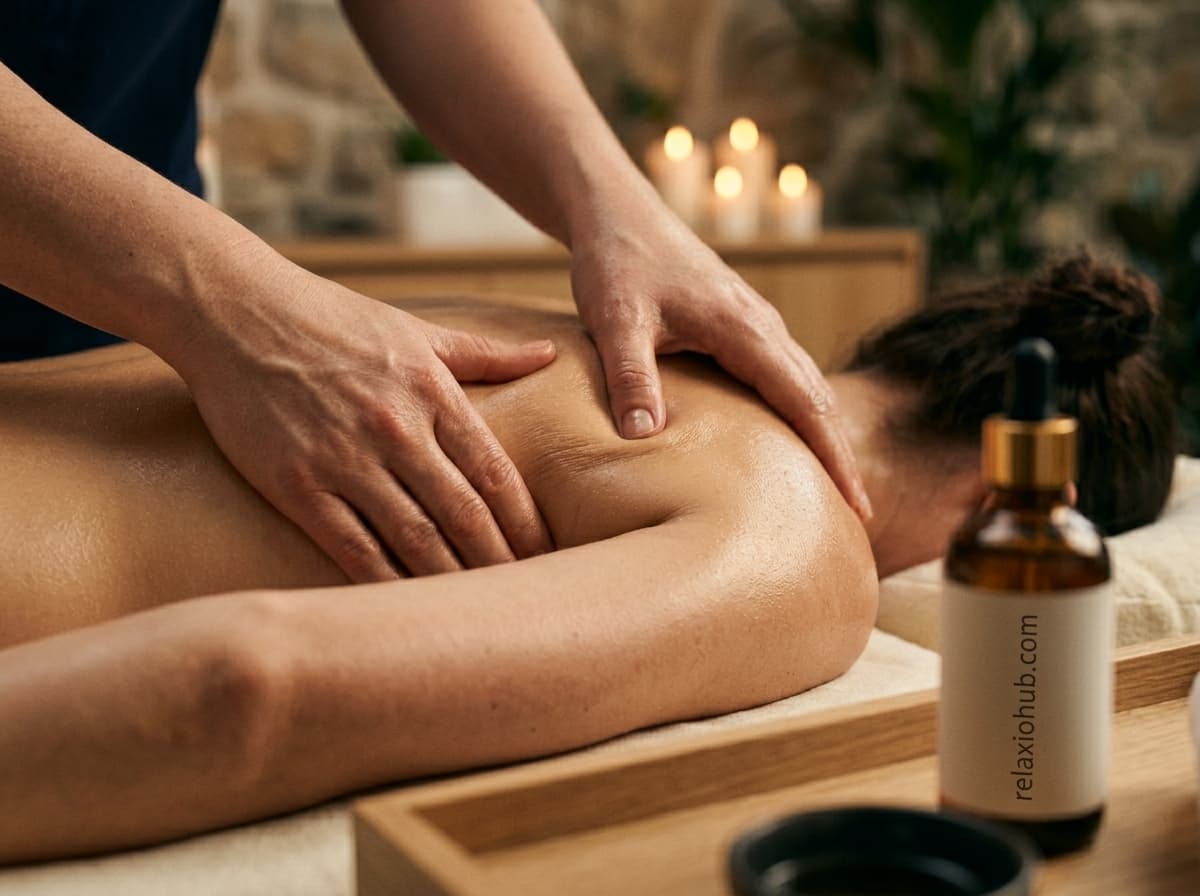
The therapist reads each tissue layer—petrissage's lift and roll give muscle space to breathe between strokes.
Browse profiles that list Swedish technique or classic massage. Look for therapists with 2+ years of practice, verified client reviews, and posted qualifications.