RelaxIOhub
5 foundational techniquesFull body or targeted areaSoft, medium or deeper pressure45–90 minutes

Classic massage

Feel how gradual kneading softens dense muscle tissue while long gliding strokes return warmth and ease to your body — after a week at the desk or an intense training session.

Classic massage session in a calm professional setting

Massage overview

What is classic massage and why it is the foundation of most techniques

Classic massage is a system of manual techniques applied to muscles, fascia, skin, and superficial circulation. It is considered the foundational form in professional practice: most modern wellness, sports, and rehabilitation methods are built on the same core movements. Massage students learn classic technique first because it provides the framework for understanding how to work with soft tissue.

The logic of the session is what sets classic massage apart from random pressure. The therapist begins with light gliding strokes that warm the surface layer and allow the tissues to adapt. They then move into deeper kneading, followed by local work on areas of tension. The session closes with calming strokes that return the nervous system to equilibrium. The body does not resist the touch — it gradually releases what it has been holding.

Classic massage is a practical choice after desk work, physical activity, prolonged stress, or stiffness in the back, neck, and shoulders. It is not a medical procedure and does not replace professional healthcare. But as a regular part of body care, it is one of the most studied and practically verified forms of manual therapy.
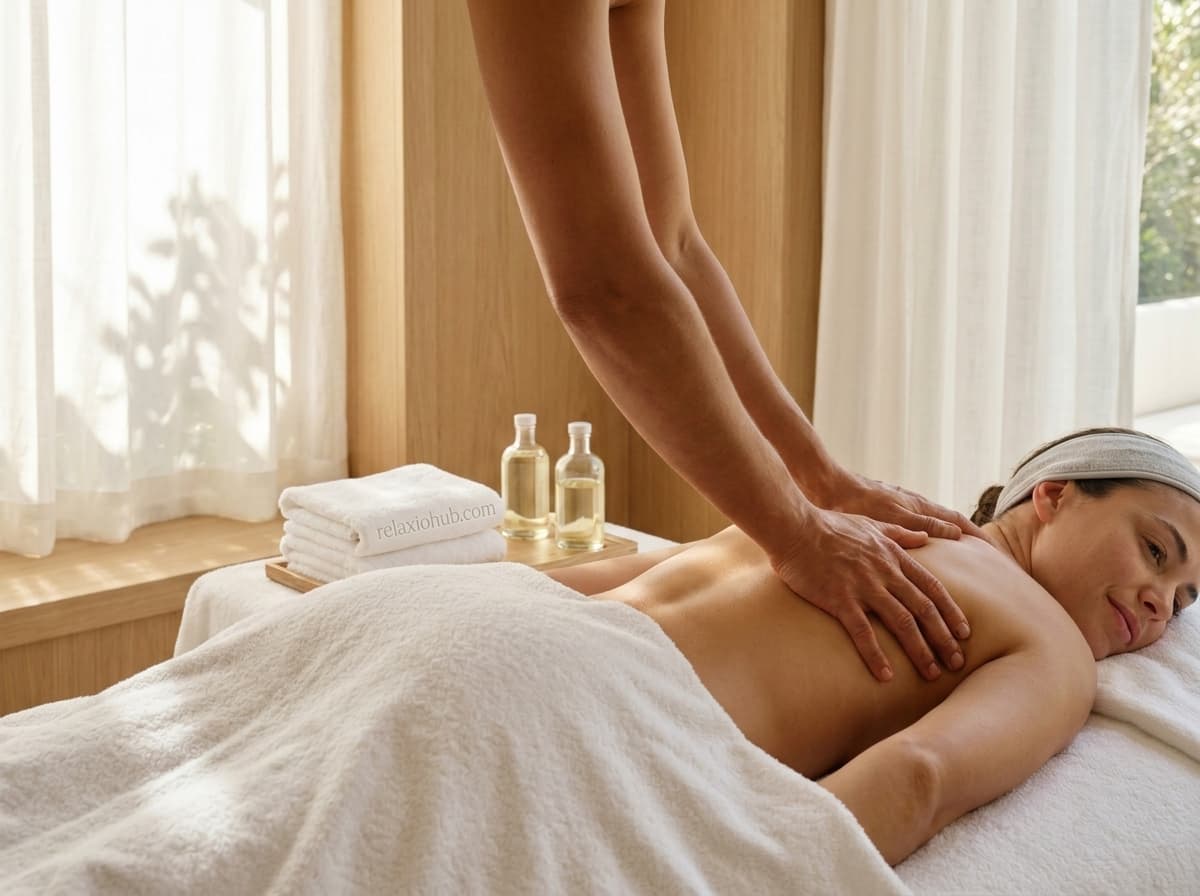
At a glance

What to know before booking

Duration
Usually 45–90 minutes. A shorter session (45–60 min) focuses on back, neck, and shoulders; a full session (75–90 min) covers legs, feet, and arms as well.
Intensity
Soft, medium, or deeper — chosen together with the therapist before and during the session. Comfort is the guide, not pressure level.
Main areas
Back, neck, shoulders, lower back, thighs, legs, feet, and arms — depending on the session format and the client's main tension points.
Expected feeling
Warmth, softer muscles, reduced stiffness, and calmer breathing. Mild muscle sensitivity in the 24 hours after a deeper session is a normal response.
Frequency
Once every 1–3 weeks for general body care. More frequently with regular training or persistent tension, adjusted to individual response and professional guidance.
After the session
Drink plenty of water and avoid intense exercise or alcohol for a few hours. A short walk or quiet rest helps the body fully absorb the relaxation response.

Technique

Five core classic massage techniques

Each technique serves a specific physiological function. Applied in sequence, they create a logical session structure: from warming the surface tissues to deeper muscle work and a calming close.

Effleurage (gliding strokes)

Long palm strokes along muscle groups warm the skin, activate superficial blood flow, and prepare the tissues for deeper work. For the client, this is the softest opening: steady, warm, with no sharp pressure. For the therapist, it is time to assess tissue density and plan the session.

Petrissage (kneading)

Gentle lifting, compressing, and rolling of muscle groups addresses tension in the deeper layers. This is where the feeling of density in the shoulders, back, or thighs begins to ease. Pressure increases gradually to avoid triggering a protective muscle response.

Friction

Circular or cross-fibre movements warm a specific area and stimulate microcirculation. Friction is applied where tension feels persistent or movement feels restricted — in the paravertebral muscles, neck, shoulders, or at muscle attachment points.

Tapotement (percussion)

Rhythmic tapping, cupping, or hacking with the edge of the hand activates muscle tone and stimulates nerve endings. In classic technique, tapotement is used carefully: too much can stimulate the nervous system rather than calm it.

Vibration

Fine trembling movements of the palm or fingers in the closing phase release residual tension, steady the breath, and signal to the body that the active phase is complete. Vibration is also used locally between other techniques for more targeted relaxation.

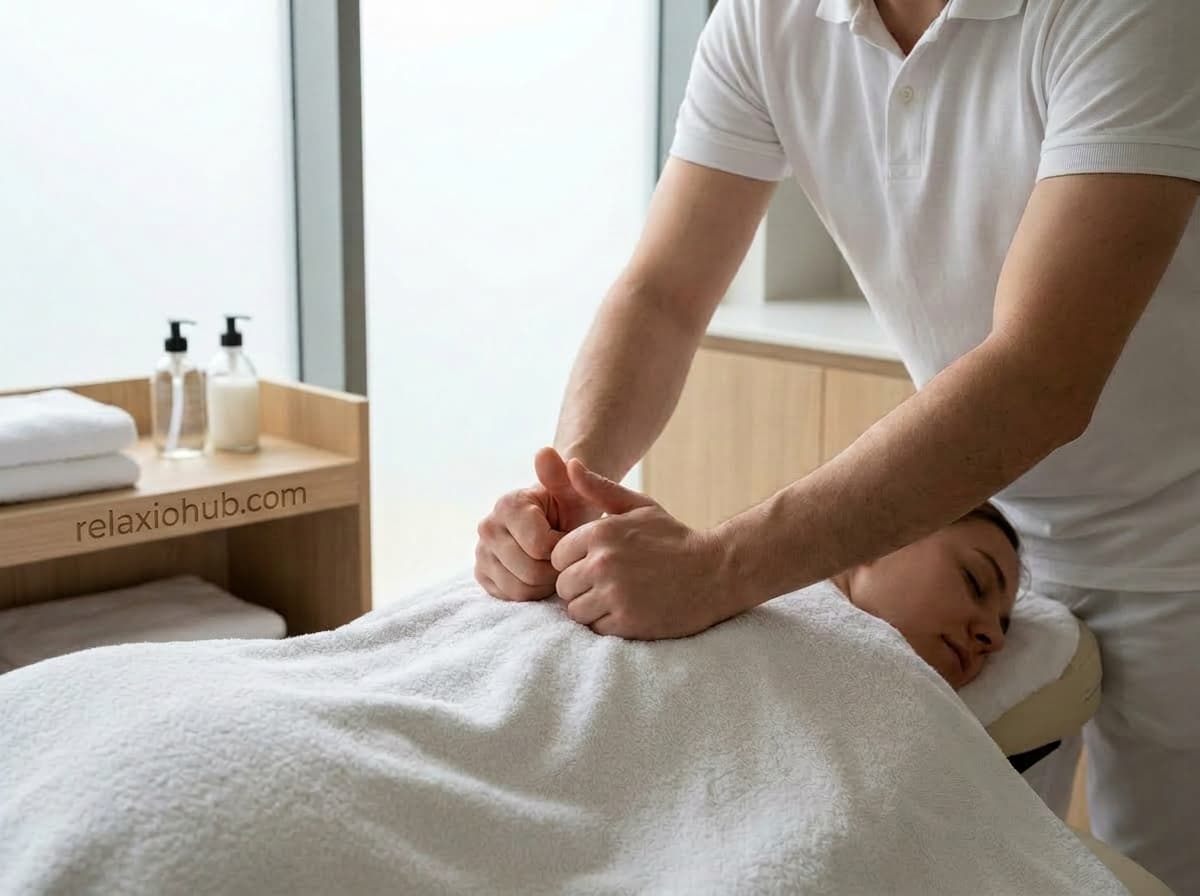
Therapist performing a classic back massage
Classic massage is not about a single strong movement — it is about logical sequence: warming, deep work, and a calm, measured close.

Effect

What classic massage does for the body

The result depends on the client's condition, session frequency, and the therapist's skill. Below are the most commonly reported outcomes, supported by the physiological mechanisms of soft tissue work.

Supports circulation

Rhythmic tissue work expands the capillary network and increases superficial blood flow. Clients typically feel characteristic warmth spreading through the body during the session.

Reduces muscle stiffness

Kneading and friction soften dense areas in the muscle fibres — especially after desk work, prolonged static posture, or training. The muscle becomes easier to move and less sensitive to pressure.

Regulates the nervous system

The gradual rhythm of the session activates the parasympathetic nervous system. Breathing slows, heart rate decreases, and the body shifts into recovery mode.

Reduces tension-related pain

Regular classic massage lowers the pain threshold in chronically tense areas — neck, lower back, shoulders. It does not treat the cause of pain, but it can reduce its intensity noticeably over time.

Improves sleep quality

Reduced cortisol levels after a session and overall nervous system relaxation contribute to deeper, more restful sleep on the night following the massage.

Supports recovery after effort

In sports practice, classic massage after training accelerates metabolite clearance from tissues and reduces delayed onset muscle soreness (DOMS).

Process

How a classic massage session works

1

Assessment and goal-setting

The therapist asks about your current condition, areas of tension, any injuries or contraindications, and your preferred intensity. These answers shape the strategy for the session.

2

Sequential tissue work

The session opens with gliding strokes to warm the tissues and assess their state. It then moves into kneading, friction, and focused work on denser areas. Pressure builds gradually, without abrupt transitions.

3

Calm closing phase

The pace slows down at the end. Gentle vibration and gliding strokes restore a sense of wholeness after the deeper work. A well-structured session does not end abruptly — the body needs time to settle.

Choosing the format

How to choose classic massage intensity

The same technique can feel very different depending on pressure, pace, and focus areas. These are agreed with the therapist before and during the session. Below are the three main formats and who each one suits.

Soft pressure — for a first session or sensitive body

Best for people who rarely receive massage, prefer gentle touch, or want primarily to relax. The therapist works slowly, avoids abrupt transitions, and keeps the session easy to tolerate. A good choice for people under stress or with elevated anxiety.

Medium intensity — for regular recovery

A balanced option for tension after desk work, long travel, or moderate training. Pressure is noticeable but should not turn into sharp pain. This format suits most people who get massage regularly.

Deeper work — for persistent tension zones

Appropriate when there are dense, restricted areas in the shoulders, lower back, or legs that do not ease with normal rest. The therapist does not press uniformly — they direct more focused attention to problem areas while respecting the client's sensitivity threshold.

How to prepare and what to do after massage

Before the session

  • Avoid eating a heavy meal within 1.5–2 hours before the session. A full stomach makes lying face down uncomfortable and reduces the quality of the work.
  • Inform the therapist about recent injuries, surgeries (even older ones), varicose veins, pregnancy, skin conditions, or allergies to massage oils.
  • Define your main goal: where you feel tension, what intensity suits you, and whether there are areas you prefer not to have touched.

After the session

  • Drink water in small amounts over the 1–2 hours following the session to support metabolite clearance from the tissues.
  • Avoid intense training or sudden cold exposure on the same day if the tissues were thoroughly warmed during the session.
  • Mild fatigue, slight drowsiness, or some muscle sensitivity in the first 24 hours is a normal response after a deeper session. Sharp pain, dizziness, or feeling significantly worse should be discussed with a healthcare professional.

Who classic massage is for

  • People with chronic tension in the back, neck, shoulders, or lower back from desk-based work.
  • Those who spend long periods in static postures — drivers, programmers, office workers.
  • Athletes and regular gym-goers who need recovery between training loads.
  • People under prolonged stress or emotional load who need to shift into recovery mode.
  • Massage students and practitioners — classic technique is the mandatory foundation in most massage training programmes and the starting point for learning more advanced methods.
  • Physiotherapists and personal trainers who apply manual techniques in client work and want a deeper understanding of the physiological basis of classic massage.

When to be cautious or avoid massage

Consult a healthcare professional before booking if you have any of the acute or chronic conditions listed below. Massage should not be performed during active inflammation, fever, or acute pain.

  • Acute inflammation, elevated body temperature (above 37.5°C), infectious or viral conditions.
  • Deep vein thrombosis, pronounced varicose veins, bleeding tendency, or anticoagulant medication.
  • Recent injuries (sprains, bruising, fractures), open wounds, or active skin conditions in the massage area.
  • Oncological conditions, especially during active treatment — only with oncologist approval.
  • Serious cardiovascular conditions: heart failure, unstable angina, or uncontrolled hypertension.
  • Late-stage or complicated pregnancy — only after consultation with an obstetrician.
  • Early postoperative period or recovery from serious trauma — only on referral from a rehabilitation specialist.

FAQ

Common questions about classic massage

How is classic massage different from relaxation massage?

Relaxation massage focuses mainly on calming rhythms and gentle touch, often with aromatic oils and a sensory emphasis. Classic massage is broader in technique: it includes gliding strokes, kneading, friction, vibration, and percussion. Depending on intensity, it can be relaxing, restorative, or more focused.

Should classic massage hurt?

No. Pressure and mild discomfort in tense areas can be normal. Sharp pain is a signal that the intensity is too high. A skilled therapist constantly monitors the body's response and adjusts. You can ask for less pressure at any point during the session.

How often can I get a classic massage?

Once every 1–3 weeks for general body care. More frequently with regular training. For persistent chronic tension, the schedule is best agreed individually with a specialist, based on your response and any contraindications.

Can classic massage help with back pain?

It can reduce the feeling of muscle stiffness and tension that often accompanies back pain. But it does not diagnose or treat the underlying cause. If pain is sharp, radiates into the limbs, or is accompanied by numbness, see a doctor or neurologist first.

How is classic massage different from deep tissue massage?

Classic massage combines a range of techniques (gliding, kneading, friction) and can be delivered at soft to medium intensity. Deep tissue massage focuses specifically on deeper muscle layers and fascia, and is typically more intense and targeted. Classic technique is the foundation from which deep tissue approaches developed.

Where is classic massage taught and what does the training include?

Classic massage is part of the mandatory curriculum in most massage schools and medical colleges. Training covers anatomy, physiology, indications and contraindications, and practical mastery of the five core techniques. It is the entry point for sports, rehabilitation, and specialised massage.

Should I book full-body or a focused area session?

If tension is localised — such as neck and shoulders — targeted work is more efficient. If fatigue is general or stress affects the whole body, a full session distributes the work more evenly and produces a broader relaxation effect.

Find a classic massage therapist

Choose your city on the home page, browse therapist profiles, and find a specialist whose intensity level and focus areas match your specific needs.