RelaxIOhub
Pediatric-friendly pacing and consentGentle full-body or focused routinesParent-guided comfort for younger guestsGrowth plates and joints outside risk zones

Children's massage

Children's massage is a calm, age-aware touch ritual: slower rhythm, lighter pressure, and language that helps a child stay curious instead of bracing. It supports everyday recovery after school, sport, and screen time — without turning a studio visit into a clinical exam.

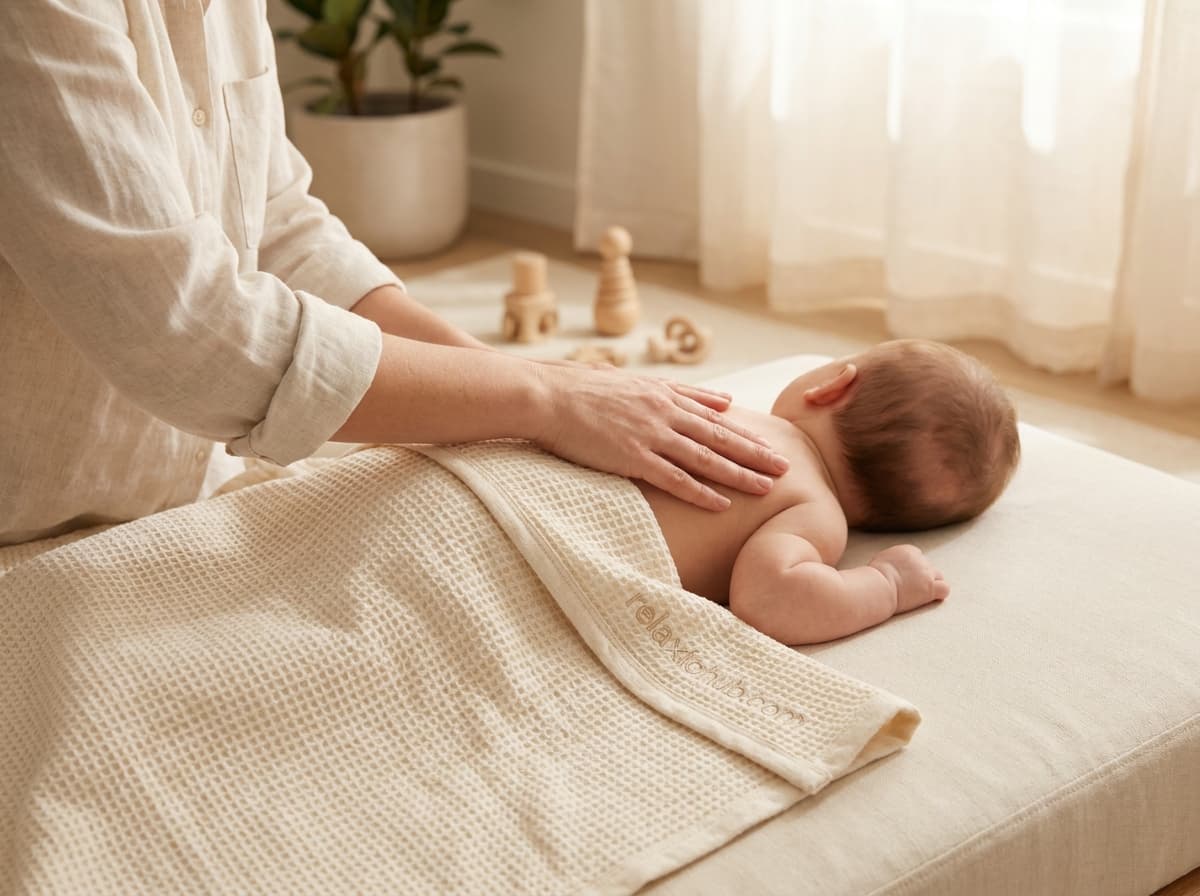
Therapist performing a gentle children's massage in a soothing treatment space

Warm touch for growing bodies

What children's massage is (and why it is not miniature adult massage)

People search for children's massage, kids massage, and pediatric massage when they want help with growing pains, restless legs after training, posture fatigue from backpacks, sleep difficulties, or simple nervous-system overload. On a professional session, work stays within comfort: wide, predictable strokes first, shorter holds, clear permission checks, and an environment where a child can ask for a pause without drama.

The difference from adult massage is not only lighter pressure — it is attention span, skeletal development, emotional safety, and the role of guardians. Therapists simplify explanations, shorten segments, alternate sides, and use playful anchors (breath counting, softness games) so novelty does not spike adrenaline. Older children may receive rhythm closer to adolescent sports recovery, yet it still ramps gradually rather than slamming intensity.

Children's massage is wellness bodywork, not a substitute for pediatrics or physiotherapy. It can beautifully complement stretching, ergonomics fixes, hydration, sleep hygiene, and clinical care when parents already cleared activity. A skilled practitioner documents comfort ranges, hygiene steps, oils suitable for young skin, and guardian presence policies — which is what thoughtful families look for when choosing any children's massage specialist.
At a glance

Families usually confirm these details first

Typical timing
20–45 minutes is common for school-age routines; toddlers may need shorter micro-sessions divided by playful breaks.
Pressure standard
Soft to medium gradients with frequent check-ins; sharp pain means the therapist pauses immediately and reassesses.
Parental presence
Younger minors stay with guardians in-room unless local regulation and guardian consent define another supervised format.
After-session feeling
Looser shoulders, quieter breathing, and sometimes sleepiness — a sign the sympathetic drive has eased, not dizziness from excessive force.

Hands-on rhythm

How a children's massage unfolds on the table

Each segment is paced for trust: predictable entry strokes, exploratory mapping of tension zones, playful permission language, then deeper layers only while the child's breath stays steady.

Comfort mapping & consent cues

The therapist greets guardian and young guest together, confirms allergies, sensitivities to touch, sensory preferences, and teaches a thumbs-up/down signal. That agreement turns touch into teamwork instead of silent endurance.

Feather-soft effleurage

Long calming passes warm skin, orient the nervous system, and subtly assess where shoulders, hips, or calves feel gritty after sport or backpacks.

Gentle petrissage on limbs

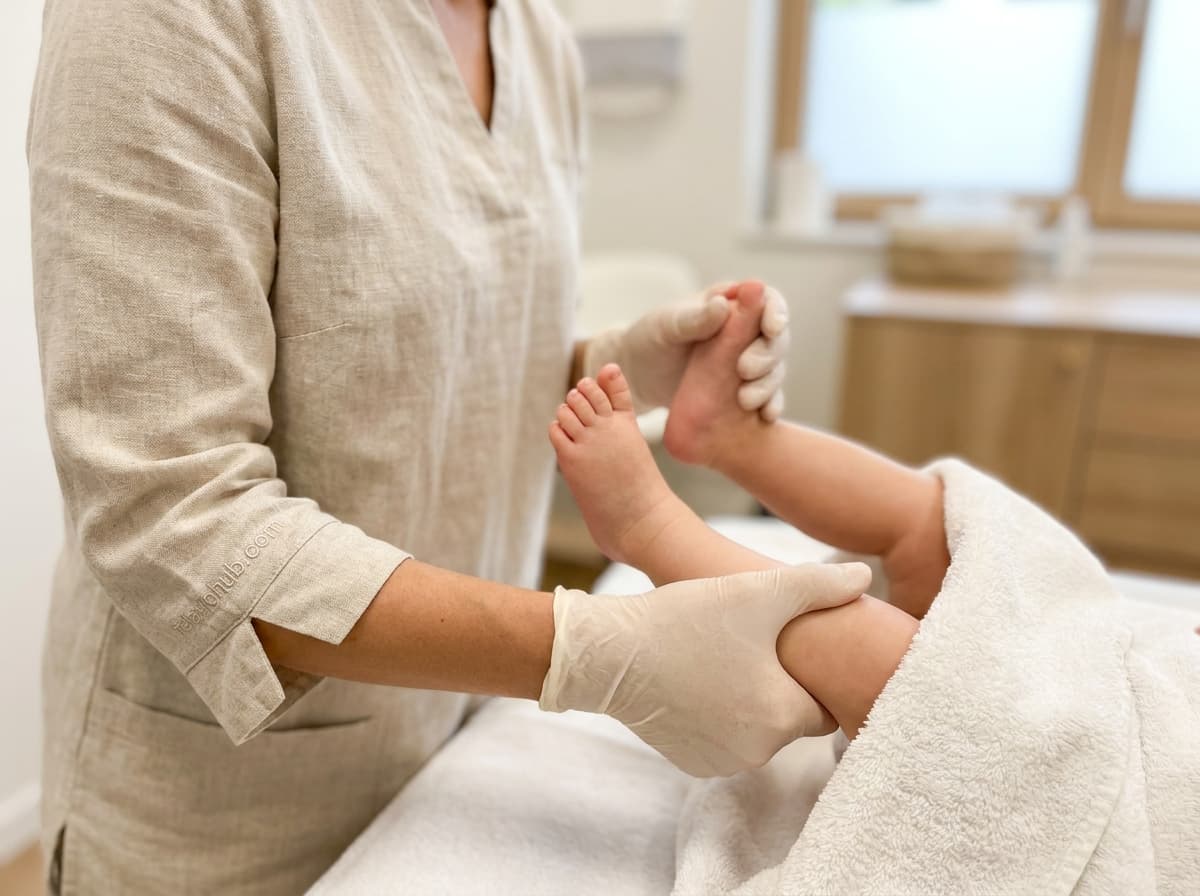
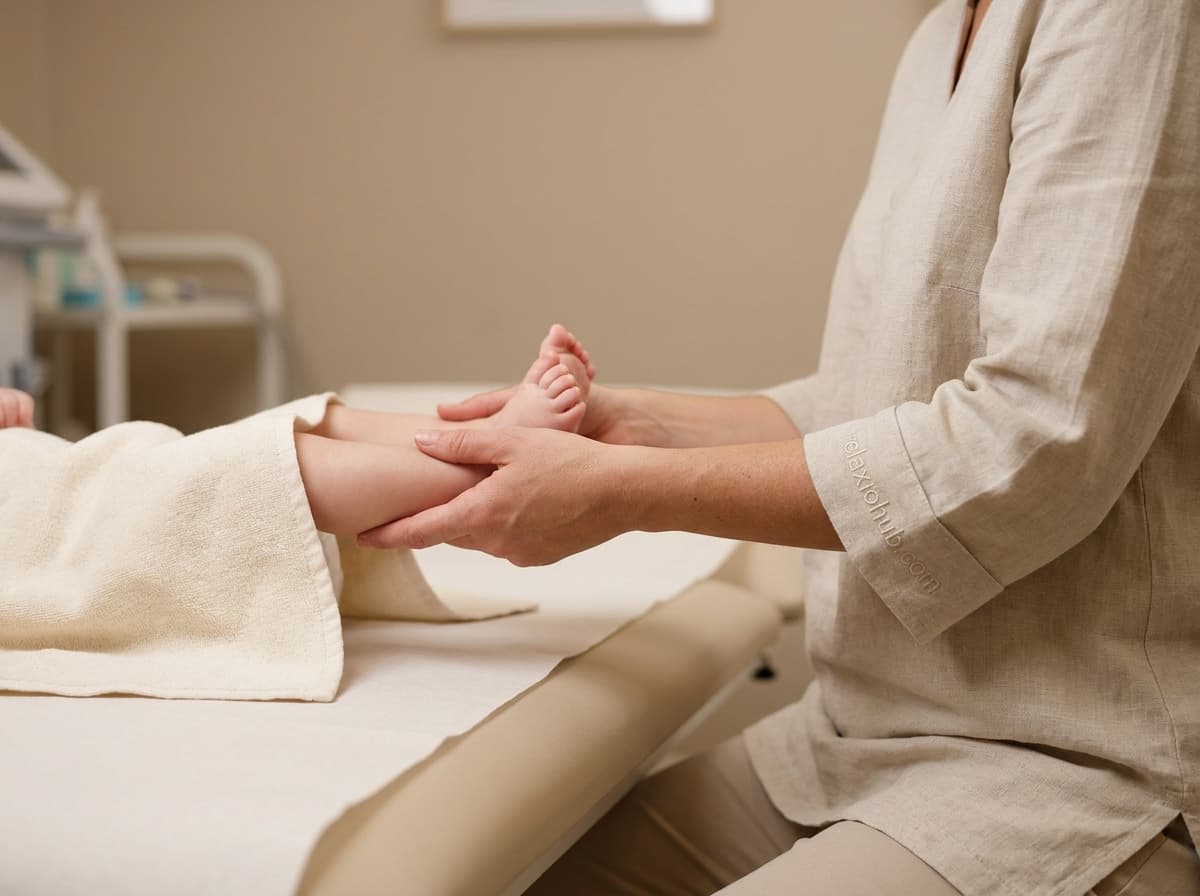
Soft kneading along thighs, forearms, and calves eases post-activity buildup. Young athletes — especially runners, cyclists, and footballers — often develop iliotibial band tightness and hamstring shortening because bones lengthen faster than muscles adapt during growth spurts. Work here stays light, never punching deep fascia.

Mid-back breathing arc

Parallel strokes tracing the thoracic cage sync with coached breaths. Children carrying heavy backpacks and spending hours at screens commonly develop upper crossed syndrome: tight pectorals, overloaded upper trapezius, and a forward head position. Thoracic work addresses these structures directly without aggressive neck manipulation.

Abdominal reassurance strokes

When appropriate and guardian-approved, very light clockwise circles soothe belly tension tied to nerves or constipation cycles; pressure never mimics visceral manipulation.

Grounding finale

Slow finishing passes down arms and calves return attention to toes and fingertips, signalling closure so energy does not spike right before dressing.

Calm pediatric-style massage emphasizing gentle strokes along a child's back
Consistent rhythm signals safety: the child's body learns that touch is predictable, cooperative, and earned — not imposed.

Expected effect

Why families book children's massage

Outcomes depend on age, activity load, temperament, session frequency, and communication at home — no ethical therapist promises miracle cures.

Supports healthy circulation habits

Light-to-medium tissue work promotes healthy microcirculation in muscles that tighten during periods of rapid growth — when vascular supply sometimes lags bone elongation during school marathons or early competitive training.

Invites parasympathetic downshift

Predictable pacing shifts the autonomic nervous system from sympathetic to parasympathetic — lowering fight-or-flight noise so breathing lengthens. Especially useful for children with exam anxiety or sensory processing challenges.

Respects developing bodies

The epiphyseal growth plates at the ends of long bones are the weakest structural points in a growing skeleton — more vulnerable than ligaments until skeletal maturity. Skilled pacing stays clear of bony prominences near growth zones and avoids careless torque on joints.

Reconnects posture awareness

Heavy backpacks and screen time create upper crossed syndrome: tight pectorals, overloaded trapezius, forward head. Gentle thoracic opening pairs well with ergonomics conversations about desk setup, instruments, or training habits.

Builds repeatable recovery rituals

Monthly or quarterly touch sessions model body literacy — children learn proactive care instead of sprinting toward adulthood while ignoring signals.

Early body literacy skills

Children who learn to name tension, tiredness, and stress in their body before adolescence build a foundation for adult self-regulation. A consistent tactile ritual turns each session into a practice of embodied awareness — a skill no amount of later intervention fully replaces.

Timeline

How a children's massage visit tends to flow

1

Triple check-in

Guardian outlines goals while the practitioner confirms sleep, meds, sensitivities, pain locations, orthotics/braces, and contraindications.

2

Demonstration strokes on parent or teddy

Some studios preview pressure on guardian hands or dolls so novelty anxiety drops before skin contact begins.

3

Layered sequencing

Work moves from broad calming strokes toward focused zones — calves after football, wrists after cello, thoracic cradle after backpacks.

4

Playful pacing breaks

Short wiggle/stretch windows keep younger kids engaged; adolescents may decline breaks and dive into sport-specific recovery pacing.

5

Aftercare scripting

Guardians hear hydration reminders, bedtime wind-down ideas, ergonomic cues, red-flag timelines, and when to message a clinician.

Family decisions

Which children's massage mindset fits right now?

Toddlers, active school-age athletes, and neurodivergent children each call for a different approach — from ultra-short tactile games to sport recovery protocols or sensory-careful sessions.

Toddlers & preschool explorers

Look for caregivers offering ultra-short arcs, tactile games, guardians on the bed edge, hypoallergenic oils, and cancellation policies that respect unpredictable moods.

School-age athletes & performers

Seek practitioners comfortable with calf-hamstring routines, forearm maintenance for instruments, and honest collaboration with coaches or physios when injuries exist.

Neurodivergent or highly sensitive children

Prioritize sensory questionnaires, optional weighted blankets, noise control, visual schedules, and therapists trained in co-regulation language.

Before and after

Before

  • Feed a light snack and bathroom break so hunger or a full bladder does not interrupt trust-building.
  • Dress in soft layers; remove scratchy accessories and discuss jewelry or medical devices with the therapist.
  • Share recent falls, sprains, fevers, or anxiety spikes — practitioners adjust pace and avoid areas that need medical imaging first.
  • Infants or medically complex minors require pediatric clearance before booking; professionals will ask for documentation when policy demands it.

After

  • Offer water, keep the rest of the day low-drama, and notice if sleep onset eases.
  • Mild muscle awareness is normal; sharp pain, numbness, rash, or fever afterward means pause further sessions and contact a clinician.
  • Log what pressure level worked so the next visit starts optimized instead of re-guessing from scratch.

Who may consider it

  • School-age children carrying heavy packs, studying long hours, or toggling between sport seasons.
  • Young performers (dance, music, circus arts) balancing repetitive asymmetric loads.
  • Families teaching regulation skills and wanting touch-based grounding beyond screens.
  • Neurotypical adolescents curious about athletic recovery etiquette before varsity-level programs.
  • Parents comparing wellness studio culture and searching for hygienic settings with guardian-forward policies.

When children's massage waits

Err on the pediatric side whenever infection, unexplained pediatric pain patterns, fever, clotting worries, oncology treatment, brittle bone diagnoses, severe cardiac history, acute injuries, contagious skin outbreaks, unstable seizures, pregnancy in teens managed by clinicians, or post-surgical timelines without release appear.

  • Fever, flu-like illness, vomiting, dehydration, suspected fracture, swollen painful joints needing imaging, recent concussion awaiting clearance.
  • Contagious rashes such as untreated impetigo, open chickenpox blisters, or unconfirmed ringworm outbreaks.
  • Severe pain with unknown origin inside the torso, neurologic deficits, pulsatile headaches, dizziness, unexplained lumps, numbness tingling escalating during touch.
  • Certain cardiac device restrictions, malignant hypertension flares uncontrolled meds, oncology protocols banning massage without oncologist wording.
  • Court-mandated contact restrictions touching minors when documentation cannot legally be fulfilled.

FAQ

Families ask these first

How is children's massage different from adult massage?

Sessions use softer gradients, clearer consent checkpoints, guardians often stay present for minors, narration stays playful yet honest, anatomy awareness respects growth, and deeper pressure only follows stable breathing.

From what age can my child start?

Wellness studios typically focus on toddlers through teens after guardian consultation; infants and medically complex babies need pediatric guidance first. Always follow local regulations and therapist policy.

Will it help with growing pains or sports soreness?

Gentle circulation and tissue relief can ease everyday muscle fatigue, but sharp or persistent pain needs medical evaluation to rule out injury or deficiency — massage complements, not replaces, diagnosis.

How often should families book?

Some choose monthly maintenance, others cluster weekly sessions around tournaments or exam stress. Your practitioner should co-design frequency based on response, not a one-size template.

What should I look for in a children's massage practitioner?

Check for hygiene transparency, pediatric-friendly communication, clear guardian policies, oil disclosures, contraindication awareness, continuing education with children, and willingness to collaborate with doctors or physios when needed.

Can children's massage help with scoliosis or poor posture?

Structural scoliosis with a confirmed curve needs orthopedic assessment first; gentle paraspinal work may reduce muscle tension around the curve but cannot correct it. For postural habits driven by backpacks and screen time, massage paired with ergonomics coaching is useful preventive care.

Can children's massage work alongside physiotherapy?

Yes — they complement each other well. Physiotherapy prescribes specific exercises and corrective work; massage provides soft-tissue recovery and nervous-system regulation between sessions. Let both practitioners know about each other's care plan.

Close-up of gentle effleurage along a child's shoulder during a wellness massage

Detail work stays playful: micro-adjustments let children feel heard while tissues still receive thoughtful attention.

Find a children's massage practitioner in your city

Compare profiles that highlight pediatric-aware pacing, guardian policies, sport or performance experience, sensory accommodations, and transparent safety language.