Chair height and torso-angle fit
Your neck should not crane toward the face cradle—the therapist adjusts levers until breathing is effortless and shoulders drop naturally.
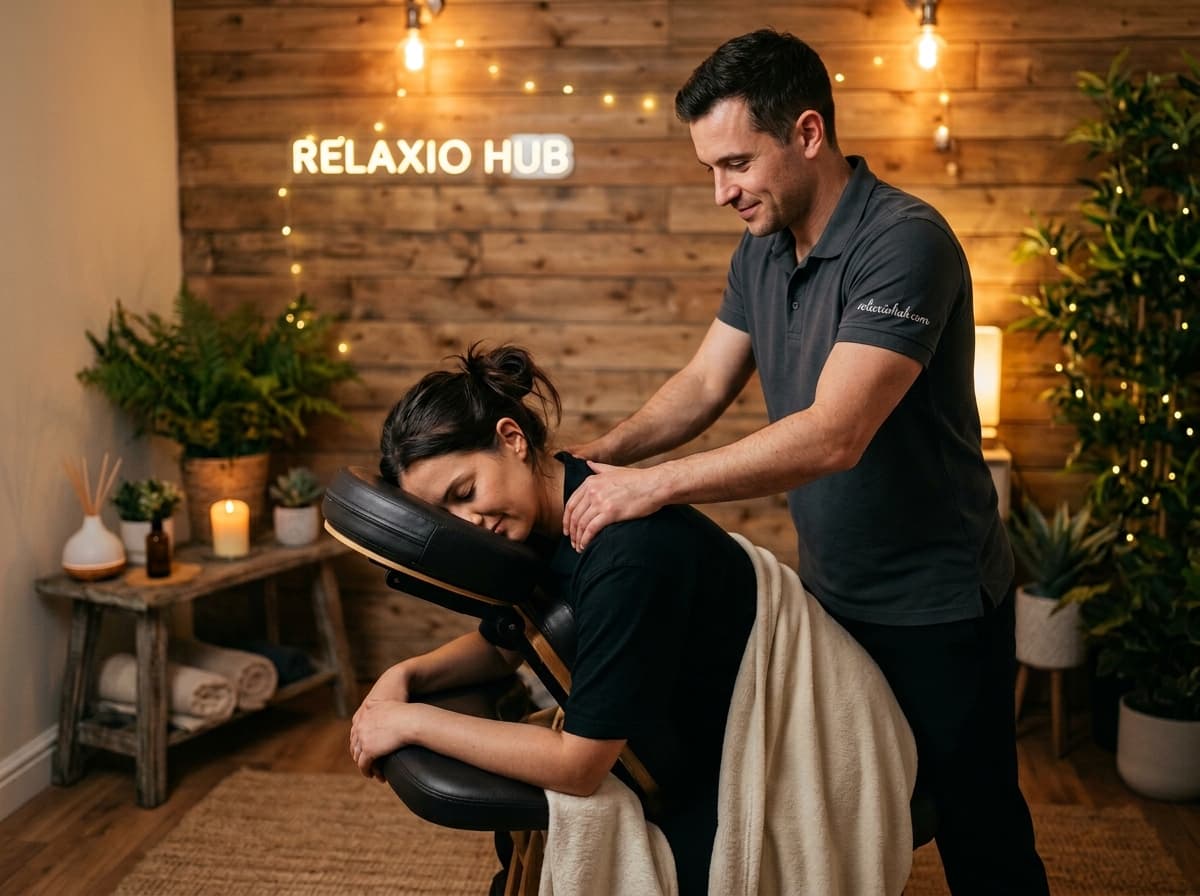
Focused, efficient bodywork on a purpose-built seat: face rests in a clean cradle, shoulders open, therapist maps traps, desk-neck lines, and mid-back without stripping down or losing an entire afternoon—perfect between meetings, at wellness days, or before a long flight.
Search intent
"Chair massage," "corporate office massage," and "15-minute neck massage" all describe the same protocol on a purpose-built chair with a chest pad and face cradle. The chair geometry is not incidental: when you lean forward and rest in the cradle, the body passively opens the upper-back zone. The upper and middle trapezius fibers (m. trapezius), levator scapulae, and rhomboids become accessible without rolling the client or manually elevating the shoulders—exactly the structures where hours at a screen produce the greatest accumulated contraction. Work is primarily compressive or through minimal fabric; pace is faster than a candlelit Swedish hour but without aggressive elbowing unless you negotiate depth.
Compared with table massage, chair massage is not the same protocol cut short—it is a different protocol with a different goal. Instead of long oil passes over the full body, the therapist uses precise compression, cross-fiber friction on trapezius trigger points, vibration, and occasional gentle cervical traction; legs and abdomen are not addressed because the chair was not designed for them. A skilled therapist in 15 minutes can complete: effleurage warm-up, compression along paraspinal muscles, cross-fiber friction on upper trapezius, and traction with suboccipital release. Compared with deep-tissue table sessions, aggressive cross-fiber stripping is intentionally limited—chair format prioritizes rapid clarity and a released cervical column over full fascial remodeling.
Expectation hygiene: a 15-minute session is a maintenance rhythm and a culture perk, not a cure for structural pathology. One visit will rarely erase chronic migraines or herniated discs permanently; the realistic return is reduced upper-trap tone and mental clarity lasting one to three days when sessions repeat consistently. For practitioners and educators: chair massage is an excellent training ground for developing palpation sensitivity and compression rhythm; chair-massage certification modules frequently serve as an entry point into deeper structural work. Any promise to "fix discs without a physician" is marketing noise and a clinical red flag.
Snapshot
Technique
Studios vary; below are the motifs reviewers recognize.
Your neck should not crane toward the face cradle—the therapist adjusts levers until breathing is effortless and shoulders drop naturally.
Broad gliding strokes across the trapezius gradually deepen to sustained holds near the skull base—you feel a warm wave radiating across the shoulders.
Open armrests expose the rhomboid muscles between the shoulder blades—you notice the familiar hard knot begin to yield under steady fingertip pressure.
Rhythmic strokes from wrist to shoulder release screen-day fatigue—gentler than deep sports passes, yet enough to restart circulation in tight forearms.
A light shoulder oscillation restores the sense of neck length and nudges lymphatic flow through cervical nodes—rise slowly to avoid a head rush.
Why book
Fast reset—not an all-day spa escape.
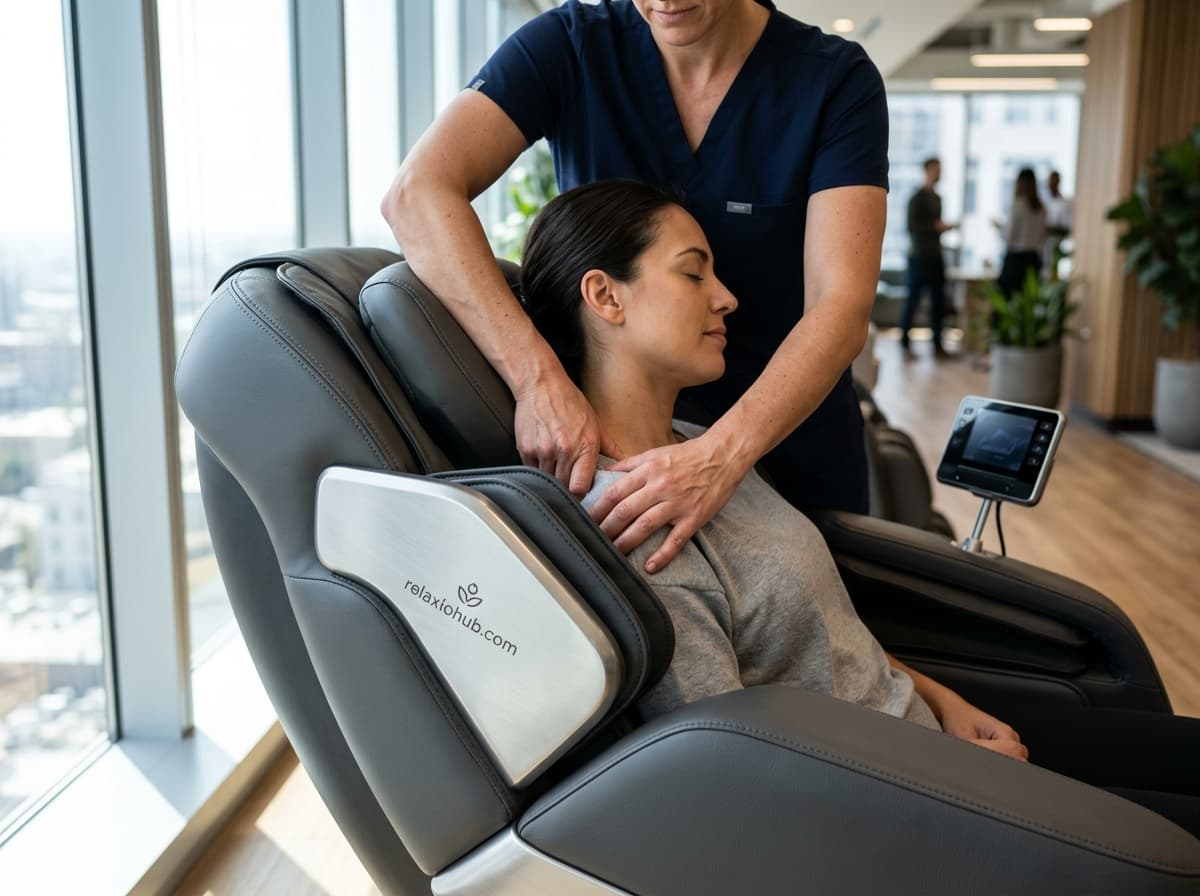
Fifteen minutes is enough to shift the body from protective bracing to rest mode—without losing a meaningful chunk of the day.
Hours in a headset or hunched at a laptop rigidify the trapezius. The seated position locks the chair on the problem zone so every minute counts.
Brief skilled touch in a quiet moment lowers muscular guarding reflexively. Often more effective than a third coffee when tension coils between the shoulders.
A clear zone map and staying clothed reduce first-timer anxiety—a low-stakes entry point before committing to a full table session.
Flow
Undiagnosed radicular pain or fainting history deserves honesty before cradle pressure.
Numb hands mean we still need another angle tweak.
Optional finger micro-stretches; stand slowly after forward flexion.
Compare modalities
Different tools, different wins.
Chair route; verify mobile onsite offerings if that matters to your HQ.
Book a table Swedish session—chairs rarely duplicate that arc.
Possible in slices, but clothing and flow often cap intensity—discuss upfront.
Short list—escalate uncertainties to physicians.
People also ask
Usually not—work happens over a light top; oily stains are rare unless you request lotion.
Upright chair, shorter clock, upper-body priority, no full spa draping storyline.
Many therapists and studios offer onsite blocks—confirm travel fees, insurance, and floor space here.
Comfort should lead; productive pressure is fine, electric nerve pain is not—speak up.
Weekly corporate rotations or monthly tune-ups both exist; skip mythic cure-all packages.
Scan for onsite experience, spotless face-rest habits, transparent minute pricing, and ethical declines when intake raises flags.
Pricing varies by city and session length—a 15-minute slot usually costs less than a full table hour. Check per-minute or per-slot rates listed in each therapist’s profile.
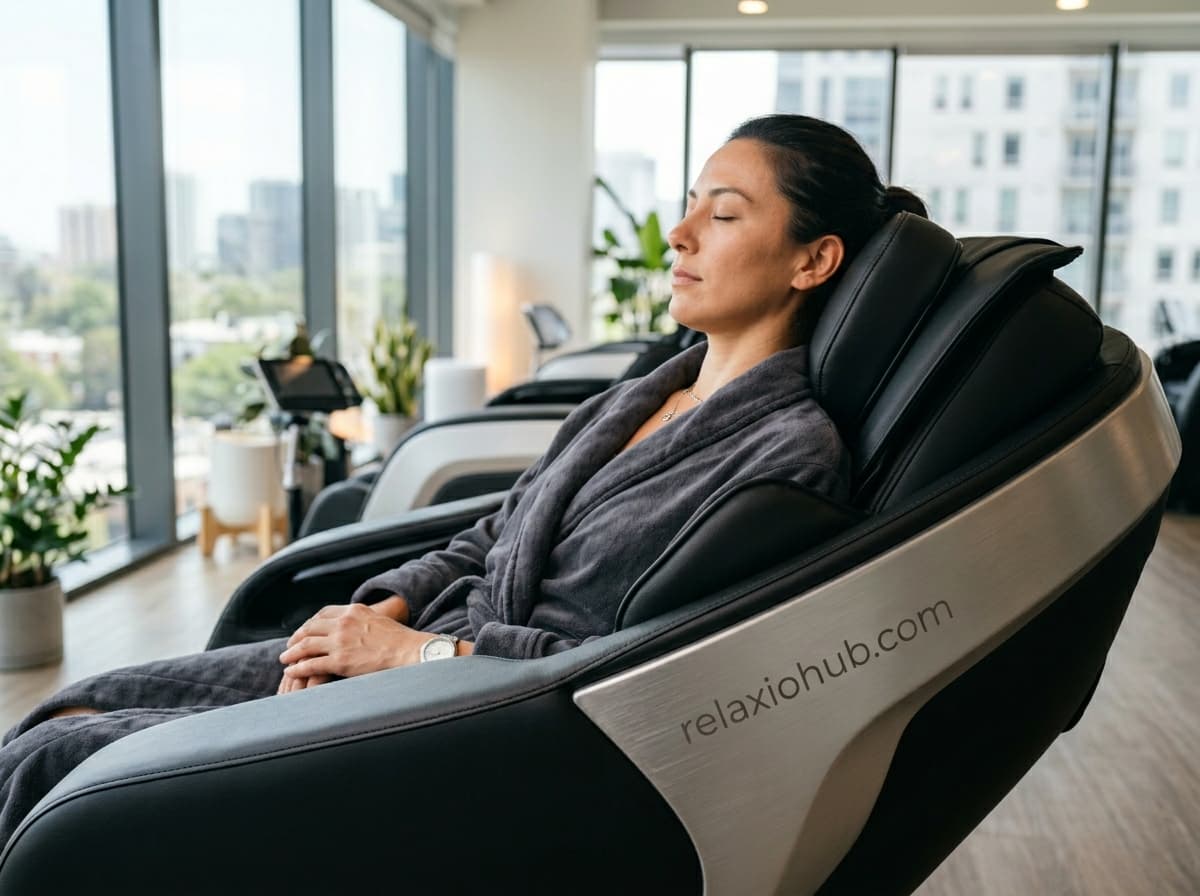
Open armrest angles expose traps so technicians can mix long and short strokes without jerking.
Therapists
Practitioners across Ukraine who provide this massage type. Choose a specialist and view their profile.
Filter for profiles with onsite corporate options, clear 15–30 minute rates, and travel logistics spelled out.