Body history + draping
You speak about spinal surgeries, osteoporosis, tumors, or complex sciatica before fabric covers the table and oil.
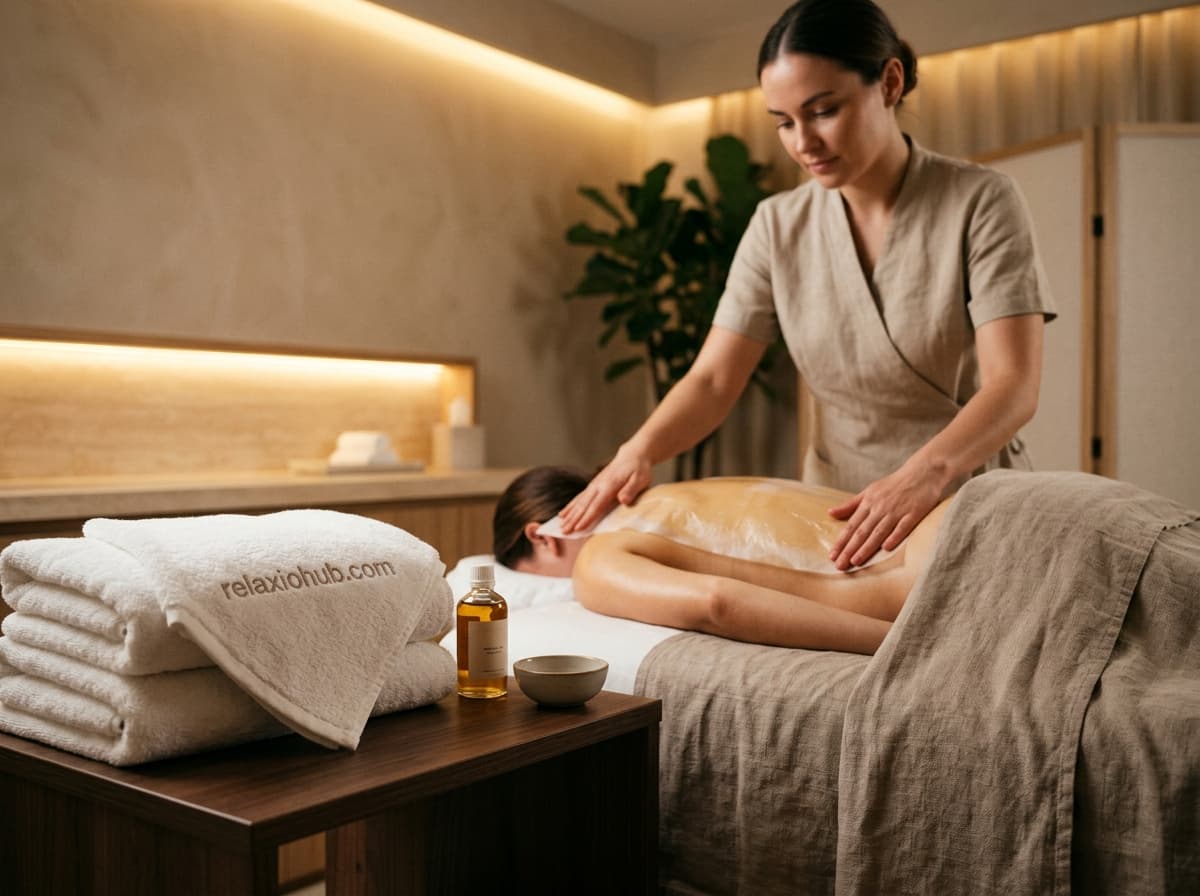
Breuss massage is slow longitudinal palm passes on both sides of the spine with warm oil: pressure is moderate, the rhythm even and predictable. The format suits backs prone to protective spasm under sudden deep pressure, but does not replace a doctor when pain comes with neurological symptoms.
Where history ends and the format begins
People arrive from searches around the name Rudolf Breuss, a “gentle” spinal massage, St. John’s wort oil, book fasting regimens, or stories about intervertebral discs. A professional studio separates the comfort of touch from any therapeutic promises: without a physician’s finding and MRI context we speak of well-being, sleep, and easing muscular guarding — not about “dissolving” anatomical problems with a massage track.
The most careful interpretations focus on measurable effleurage and soft kneading of the thoracic and lumbar regions of the back. Pressure runs along and across muscle fibers, but not directly on the spinous processes — the key landmarks of the spine’s vertical axis.
In traditions close to the Alpine line, oil with Hypericum (St. John’s wort) is often used: it gives a distinctive gliding layer and aroma. The main practical caution when applied to skin is photosensitivity: after the session avoid sun and tanning beds. Ongoing medication use and pregnancy should be mentioned in advance so the oil blend can be agreed. A responsible practitioner names the ingredients, does a forearm test, and postpones the session if neurological symptoms appear.
At a glance
Session structure
Schools argue over details, but softness, consent to touch along the axis, and transparency about depth remain mandatory.
You speak about spinal surgeries, osteoporosis, tumors, or complex sciatica before fabric covers the table and oil.
Base oils, extract share, allergens, retinoids, or photosensitizing preparations on the skin are discussed before the first stroke; a neutral grape or sweet almond oil is used if there is doubt.
Palms move up or down on both sides of the spine depending on the school — without striking the bony processes directly. Any pain signal stops the movement at once.
Light oblique crossing of paravertebral fibers is allowed by some schools only where breathing stays free and the clavicles are not tensed.
Bolsters under the knees or light traction of the feet can create a sense of “length” along the spine without manipulative jerks — the frame is always put into words.
Slow return to sitting, a glass of water nearby, and a reminder not to stand up abruptly — especially important after deep relaxation.
Why people trust it
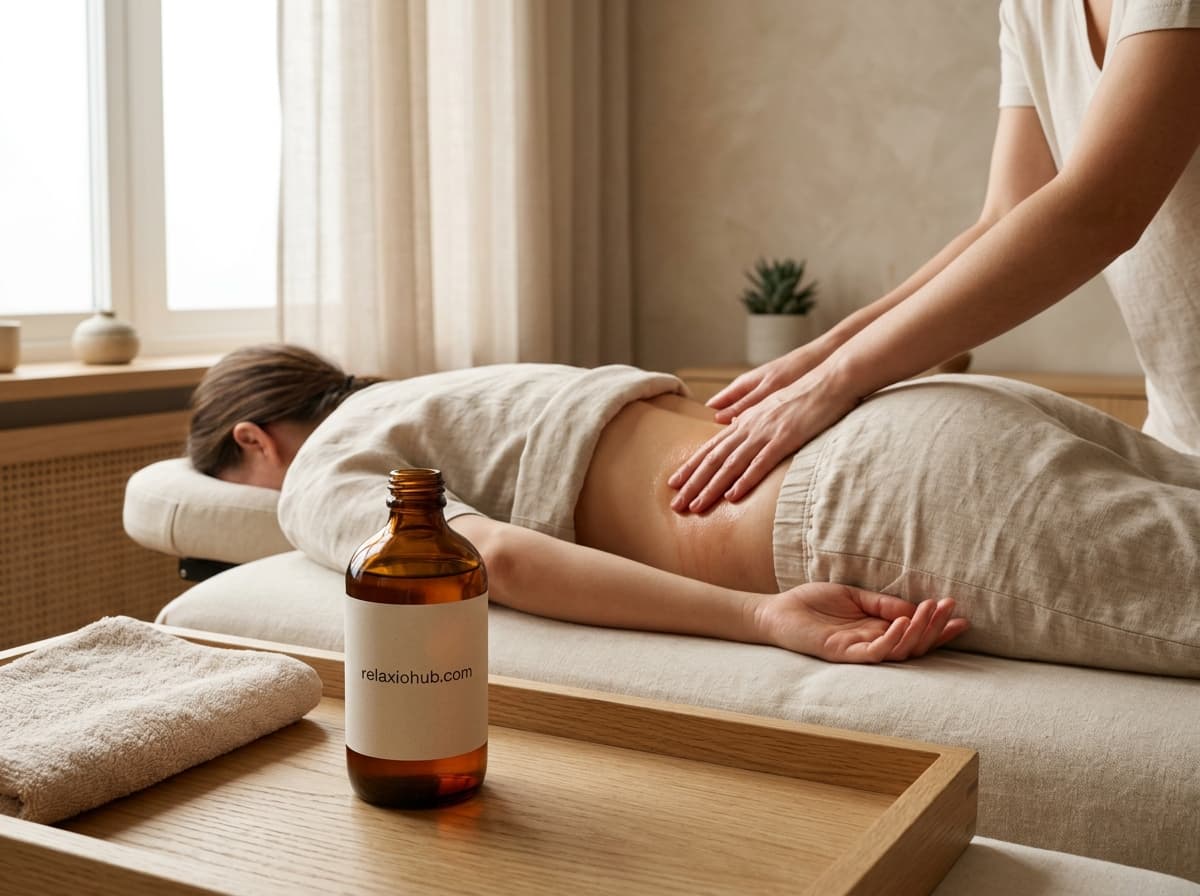
People often speak of an easier inhale between the shoulder blades, less noticeable muscular guarding, and calmer sleep after a day in front of a monitor. A session does not promise to “glue” a disc with palm tracks alone in one visit.
Subthreshold contact rarely triggers a sharp protective reflex of the paraspinal muscles, unlike sudden deep pressure.
A sufficient oil layer reduces “scratching” of the epidermis on wide tracks.
Studios with respect disclose tincture composition, suppliers, and harvest ethics — not a “shaman’s secret.”
Sometimes a physician approves delicate support between physio sessions when the flare has settled but stiffness is still loud.
The metronome of strokes gives a simple “anchor” without damping between the ribs.
One zone, one rhythm, agreed depth: for those who need to know what will happen in each minute of the session.
Timeline
The practitioner asks about medicines — antidepressants, anticoagulants, topical cortisone, isotretinoin, bisphosphonates, radiation therapy: all of this affects the choice of oil, pressure, and pace.
Sometimes a warm towel is placed before starting; if the skin is already red from inflammation, extra heat is not used.
Slow mirrored passes on both sides of the spine to work the back evenly and not overload one side.
With the client’s consent the practitioner may work delicately between the ribs of the lower thoracic region, where the diaphragm holds tension.
Moderate walking and light stretching without fanaticism, SPF after Hypericum oil, and advice to see an orthopedist or neurologist if numbness returns while walking.
Don’t overpay for a blend
A clear intention helps you not pay twice for techniques of opposite depth without explanation.
Choose it deliberately when trigger points or dense fascia need local targeted work. Breuss massage eases muscular guarding better than it deeply “works” dense areas.
Manipulations with joint clicks are performed only within a medical license. A massage practitioner may accompany with breath and relaxation, but does not replace an osteopath or manual therapist.
The direction of flexion or extension is set by a physician or physical therapist after examination. Breuss massage remains an accompaniment and does not replace an individual home exercise protocol.
Breuss massage is postponed in conditions where touch along the spine may harm. When in doubt — see a doctor first, not a salon.
FAQ
No. Ethics forbid selling guarantees of anatomical change from effleurage. Comfort, breathing, sleep, or less spasm are realistic frames; the evolution of disc stories stays in the plane of examination, MRI, and the physician’s prescriptions.
Tradition favors it, but it is not dogma. On some antidepressants, with heightened photosensitivity, or delicate skin, a basic neutral carrier and a forearm test are requested before the full back area.
Swedish format often covers the whole body with an emphasis on limb mobility. Breuss concentrates long tracks near the vertebral column, likes traditional school oils and moderate pressure, though conscious hybrids deliberately mix strategies between sessions.
First a physician distinguishes an inflammatory phase from a mechanical one: sometimes any touch only multiplies pain. A “green light” needs an entry in the medical record or a finding, not only a studio administrator’s confidence.
Look for a transparent description of oil composition, hygiene of the space, clear refusals when alarming symptoms are present, and readiness to refer you to an orthopedist or neurologist if neurological signs appear.
Effleurage along the spine does not restore or “dissolve” an intervertebral disc — that boundary matters. What a session can give: less pronounced protective spasm of the paraspinal muscles, freer breathing, and a sense of space between the shoulder blades after prolonged sitting.
MRI is not a mandatory condition for a wellness session, but when available the practitioner more precisely sets pressure and avoids areas with active changes. With sciatica-type pain, numbness, or leg weakness — a physician’s exam is the priority before booking.
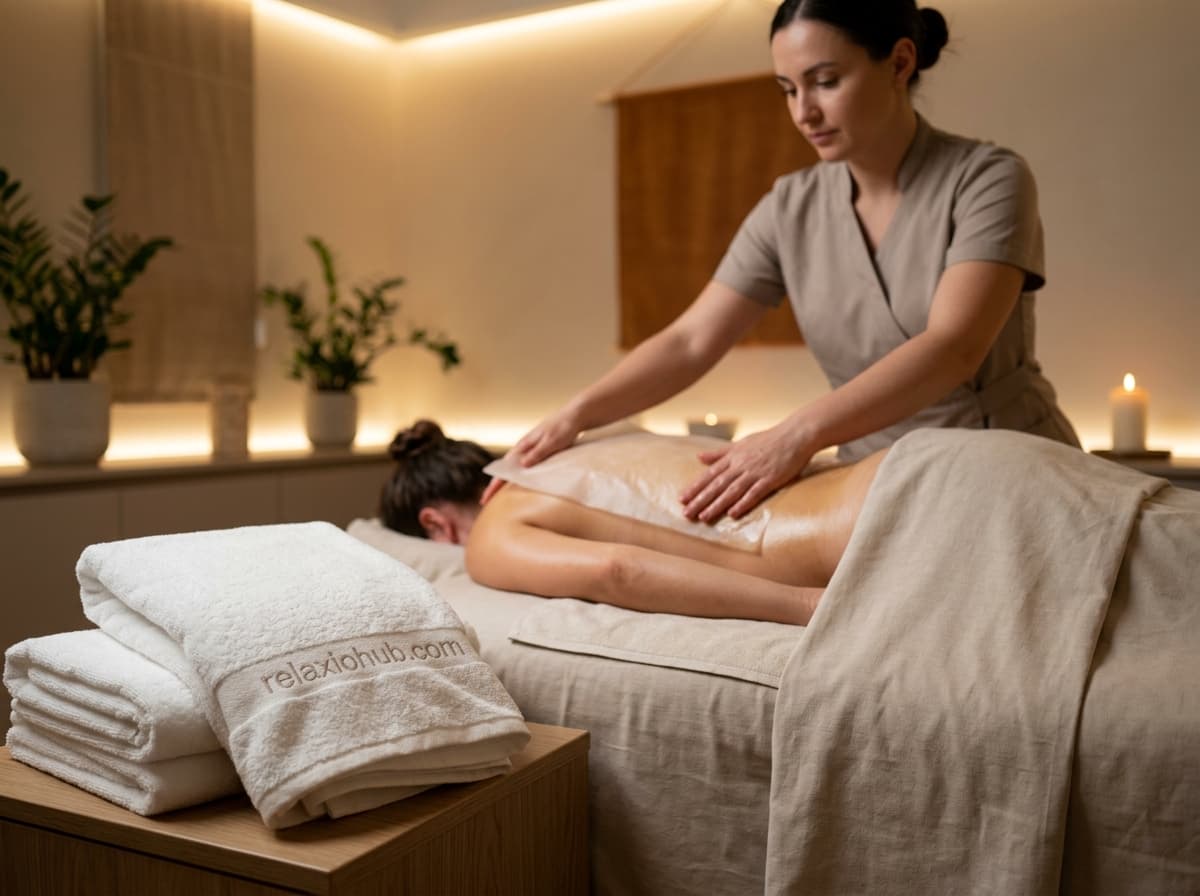
Long parallels without jerks buy more trust than sharp angle changes or four different tempos in half a minute.
Filter for transparency of oil blends, clarity on contraindications, medical literacy in conversations about sciatica, and moderation about “miracles” with the spine.