Oil consultation and scent test
The therapist asks about allergies, asthma, pregnancy, migraine sensitivity, and scent preference before choosing a blend.
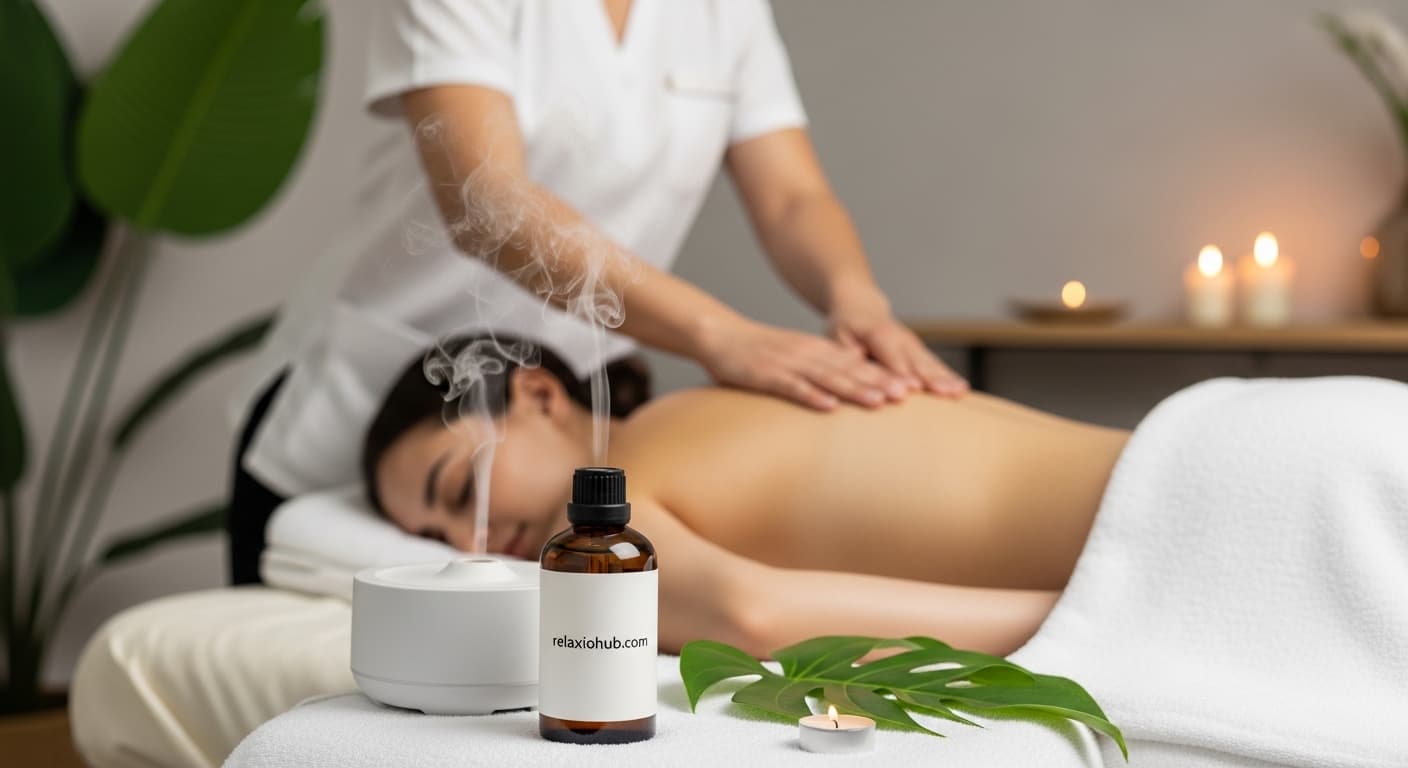
A scent-led spa massage with diluted essential oils, slow touch, and clear safety checks—for relaxation that smells beautiful without making medical claims.
Massage overview
Aromatherapy massage combines classic relaxing strokes with a carefully diluted blend of essential oils in a carrier oil. The session is not just "a nice smell in the room": the aroma, skin feel, pressure level, and breathing pace work together. Scent reaches the limbic system via the olfactory nerve faster than any verbal cue, which is why an aroma can produce an unexpected emotional response even in people who consider themselves fragrance-neutral. You should know what oil is being used before it touches your skin, especially if you react to perfume, citrus, nuts, or strong botanical notes.
The history runs deeper than today’s spa offerings. Humans have used aromatic plants, resins, infused oils, and fragrant baths for thousands of years, while modern aromatherapy took its name in the twentieth century. French chemist René-Maurice Gattefossé is widely credited with shaping the modern field and publishing Aromathérapie in 1937 after years of research into essential oils. Contemporary massage studios borrow the sensory and topical tradition, not a license to promise cures.
People search for aromatherapy massage when they want to compare oils, understand what lavender or citrus blends do, and know whether the service is safe with asthma, pregnancy, dermatitis, or allergies. A trustworthy page and studio should answer those questions directly: oils are diluted, reactions are possible, scent intensity can be lowered, and any medical condition stays in clinician territory.
At a glance
Technique
The technique should support the scent, not hide poor massage under perfume. Good sessions keep oil choice, pressure, and breathing pace aligned.
The therapist asks about allergies, asthma, pregnancy, migraine sensitivity, and scent preference before choosing a blend.
Almond, grapeseed, jojoba, coconut, or neutral carriers create smooth movement while the essential oil stays diluted. Standard body massage concentration is 2–3% essential oil in carrier — roughly 12–18 drops per 30 ml.
Long gliding strokes across the back, limbs, or shoulders give the aroma time to settle into your breathing.
Moderate kneading can appear on shoulders or calves, but the session remains relaxation-led rather than sports-deep.
A final towel-off, still pause, or low-scent breathing moment helps you leave grounded instead of fragrance-fatigued.
Effect
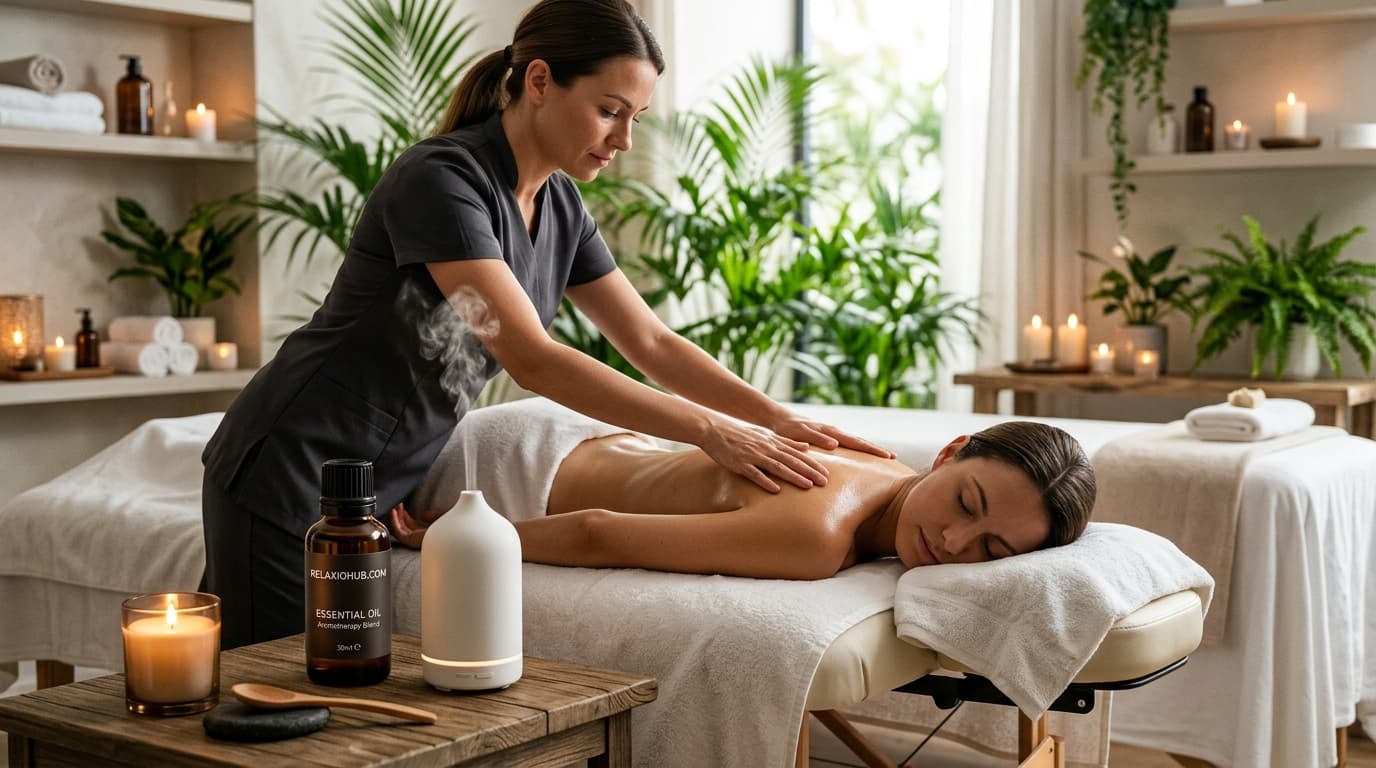
The value is sensory and restorative. Keep it honest: comfort, mood support, and skin feel—not miracle treatment claims.
A familiar botanical aroma can help the room feel safer and the pace feel slower.
Gentle scent plus slow strokes often encourages deeper, less hurried breathing during stress-heavy weeks.
Carrier oils reduce friction and leave dry skin feeling cushioned when the formula suits you.
A consistent scent anchor can make it easier to stop scanning emails in your head and notice your body again.
Patch tests, dilution, and ingredient disclosure matter as much as the massage itself.
Ideal when you want a softer SPA experience instead of strong deep-tissue work.
Process
You discuss fragrance sensitivity, asthma, pregnancy, migraines, dermatitis, allergies, medications, and no-go zones.
The therapist offers a diluted blend or neutral carrier oil, then confirms whether you want calming, fresh, warm, or very subtle scent.
Slow glides, broad kneading, and calm transitions carry the scent without turning the room into a perfume cloud.
You receive guidance on rinsing, sun exposure after citrus oils, hydration, and what to do if itching or headache appears.
Choose wisely
Searchers often compare SPA formats by scent, warmth, and pressure. Choose by the sensory feature you actually want.
If lavender, citrus, rose, cedar, or eucalyptus-like notes shape your mood, aromatherapy gives the clearest fragrance choice.
If warmth matters more than aroma, hot stone massage delivers a more thermal experience.
If you dislike perfume or have reactive skin, an unscented classic massage may be the better first booking.
Essential oils are concentrated plant extracts. Treat them with respect, especially around skin and breathing conditions.
FAQ
It is a relaxing massage that uses essential oils diluted in a carrier oil. The goal is sensory comfort, scent-led relaxation, and smooth touch—not medical treatment.
They should be diluted in a carrier oil for massage. Undiluted essential oils can irritate skin or increase sensitization risk.
Start simple: one gentle scent or an unscented carrier oil if you are sensitive. Lavender-like, citrus, woody, and herbal profiles all feel different, so choose by comfort rather than trend. For the carrier, almond suits dry skin well, jojoba is lighter and works for oily or sensitive skin, and coconut absorbs quickly while sitting well on the skin surface.
Strong scents can trigger some people with asthma or respiratory conditions. Ask for very low scent, avoid diffusion, and get clinician guidance if symptoms are unstable.
Only with pregnancy-aware oil selection and pressure adaptations. Some oils are avoided during pregnancy, especially early pregnancy, so disclose this before booking.
Say so immediately. A good therapist can switch to neutral carrier oil, ventilate the room, reduce product, or stop the aromatic part.
No credible wellness page should promise detox. The realistic benefits are relaxation, pleasant scent, smoother glide, and a calmer sensory environment.
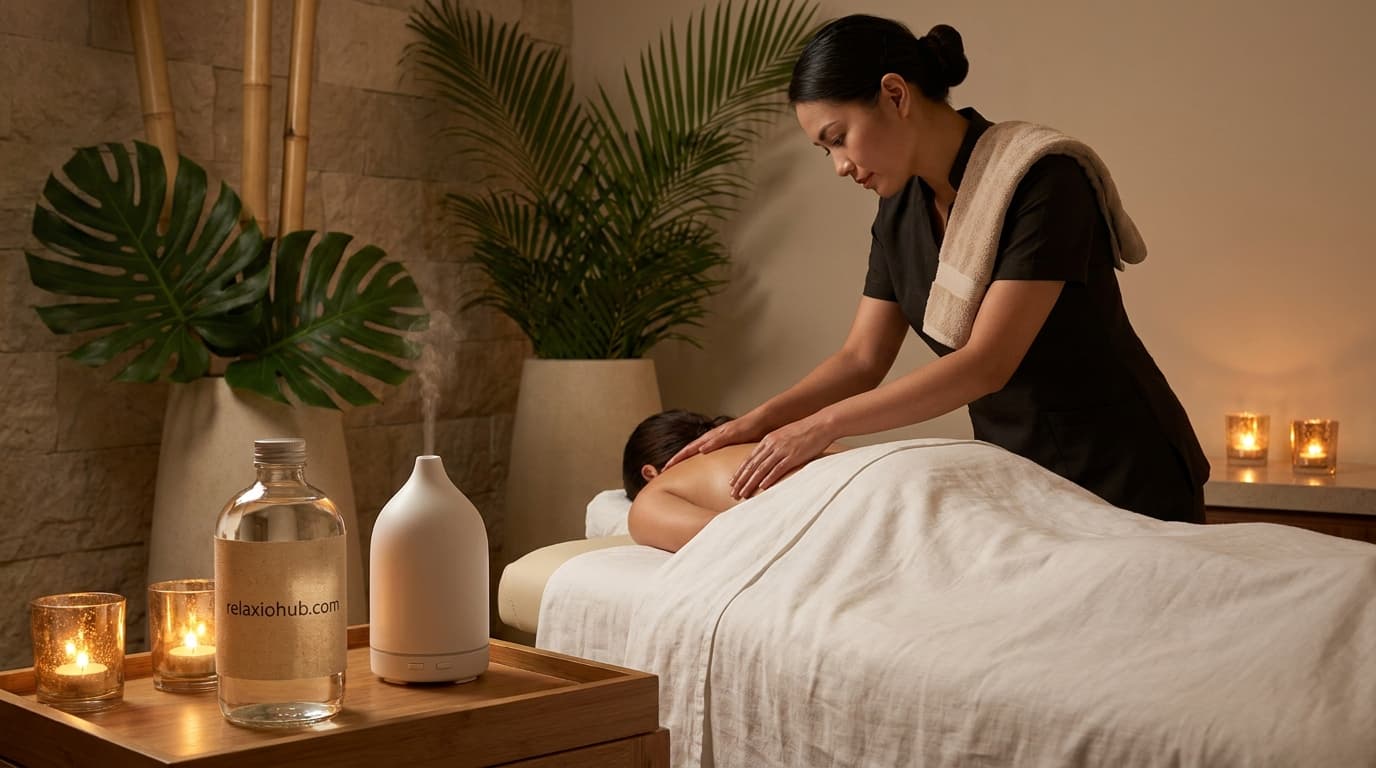
Aromatherapy feels best when the blend is simple, diluted, and chosen for your nose and skin—not for a trend list.
Therapists
Practitioners across Ukraine who provide this massage type. Choose a specialist and view their profile.
Ольга
Марія
Катерина
Олеся
Оксана
Василина
Роксана
Katerina
Надія Світла
Choose your city on the home page and browse profiles that mention aromatherapy massage, essential oil blends, low-scent options, or SPA relaxation rituals.